Categories
Ecommerce

Here’s how to UP your ECOMMERCE game!

Did you know that there are approximately 12 million – 24 million Ecommerce websites in the world? And with every passing day, more sites are being created. This shows how fierce the competition is in the current market and how starting and surviving in an Ecommerce world comes with its own set of challenges.

A brand needs much more than a beautifully designed website to stand out from the crowd. So, to make sure that your Ecommerce store is providing shoppers with a quality shopping experience, it’s crucial to know what pain points you’re likely to face as an Ecommerce business and how to solve these problems.

From audience retention to generating targeted traffic, one of Ahmedabad’s best Ecommerce website design and development agencies, Flora Fountain has identified some major eCommerce pain points faced by brands while setting up their website and is here with some tips on how to solve them.

Abandonment rate

No one likes to be abandoned! Not even the brands!

But unfortunately, ECommerce stores have an average 69.57% abandonment rate, which means that only 3 out of 10 potential customers complete a purchase when shopping online.

Cart abandonment is when a customer picks a product they want, adds it to the cart, goes to the checkout window and leaves the website from there. There could be many reasons behind this action, like unexpected and additional costs (hidden taxes, shipping charges) calculated over and above the sale price, better prices on other websites, long and complex checkout processes, long delivery durations, confusing return policies, to name a few.

How to solve it?

While it is next to impossible for a brand to achieve zero cart abandonments, there are certain steps which could help them bring it down considerably.

– One option is to show progress bars on every step of the shopping process. Because the human mind is hardwired to follow trails and complete them. This will prompt them to finish the purchase.
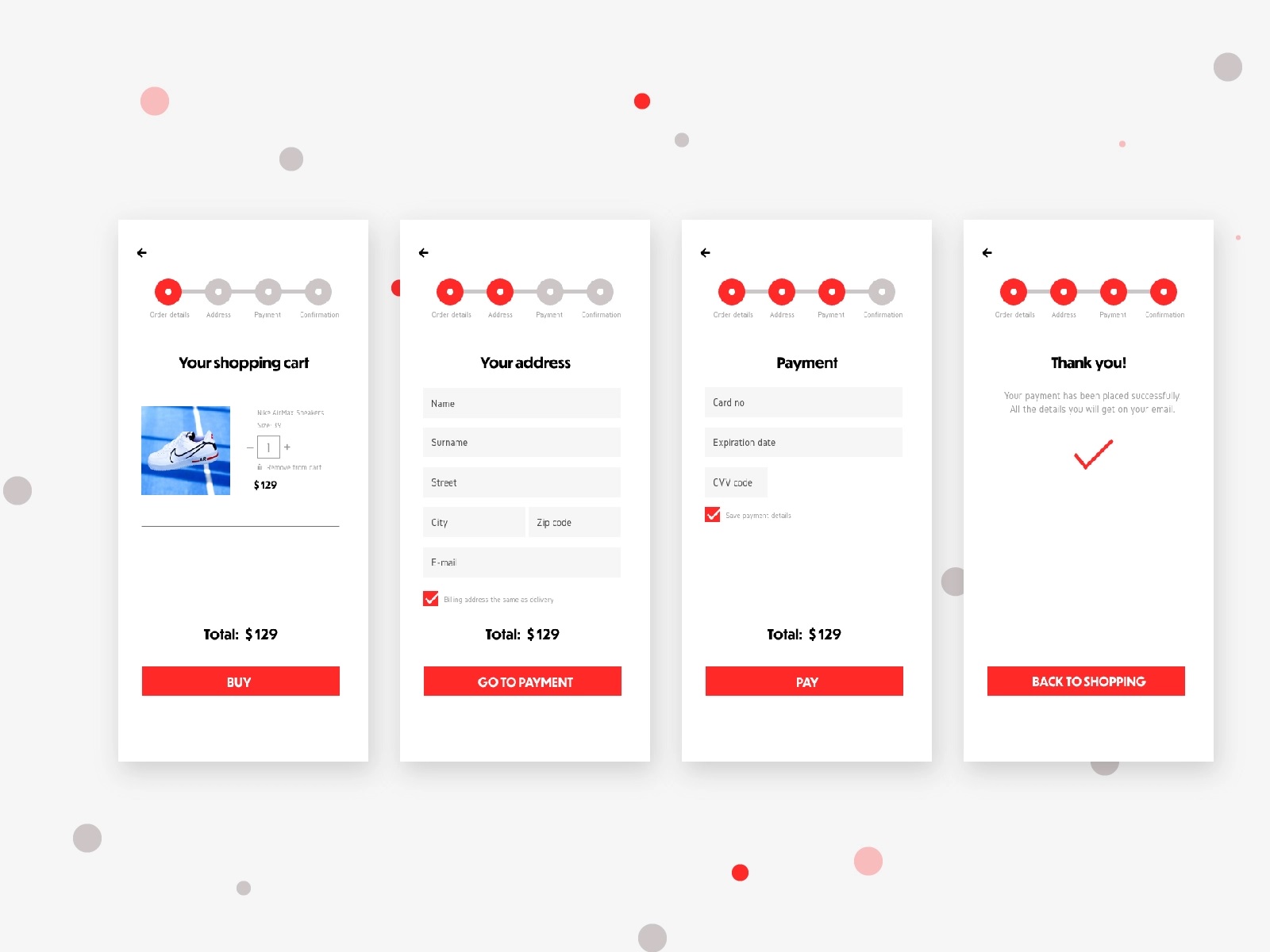
Abandonment rate

– Maintaining transparency by showing the complete breakdown of the product’s pricing, including the taxes, the shipping costs, and any other fees makes the customer trust the brand more.

– Reminders are also a great way to prod customers to go back to their cart and finish their purchase. It is usually done by emailers or SMSes.

Customer service

Millennials value personalization! Like having recommendations from support staff, prompt replies to solve their shipping or payment issues, etc. Because good customer service makes customers make repeat purchases with the company.

Whereas poor customer service leads to customers backing out from purchases. About 78% of customers back out of a purchase because of a poor customer experience. Customers are not able to speak to a person who can provide them with the answers they are looking for. Customers are put on hold for unreasonable lengths of time.

How to solve it?

A brand should incorporate a WhatsApp number or Facebook messenger chatbot along with other chat options for the customers which are available 24*7. A live customer support team, not robots will be a big help to the site. Encourage user-generated content that spreads the word about their customer service experience.

The brand should also add a ‘contact’ section on their Ecommerce website along with information on top of every page with clickable phone numbers and emails. This adds to a brands’ credibility.

Product search

Imagine what customers would do if they were not able to find what they are looking for on a site because they either don’t know the name or they don’t remember it. They would go on a site where the site itself helps them to find what they are looking for.

This means that if a brand is unable to show its customers what they are looking for, the brand may lose them to competitors who are actually doing what the customers want. Enter, Search Box!

How to solve it?

A brand should place a search box in a visible location like a top right hand on the page and use attention-grabbing colours to it because it matters to the customers. Ahmedabad’s Flora Fountain, with its best Ecommerce web development services, developed Falguni Gruh Udhyog’s ( Falguni Vastrapur) website and added the search the same way to help its local customers.
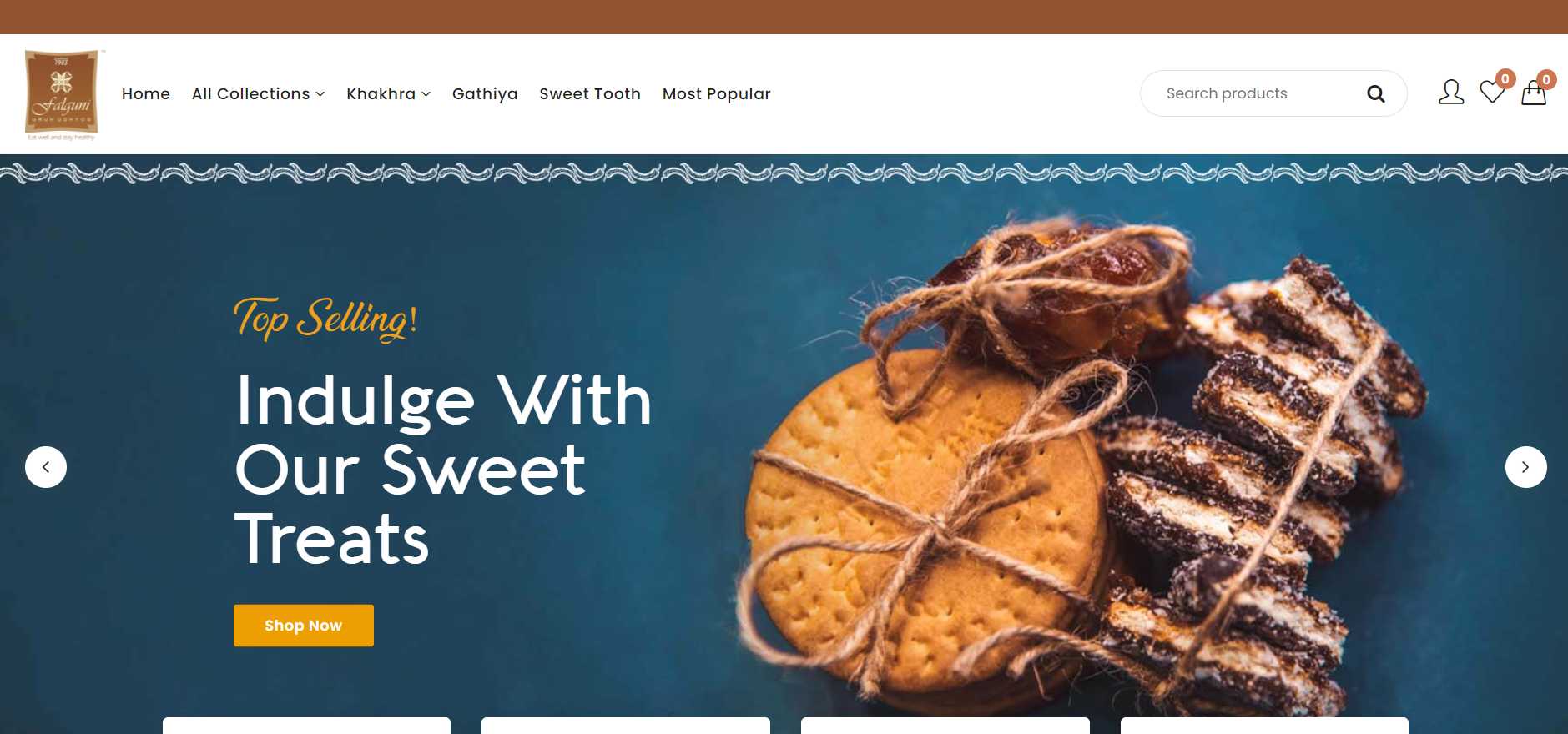
Falguni’s page

Not only this, a website should provide customers with the ability to carry out searches by multiple parameters like category, manufacturer, part number, brand, etc.
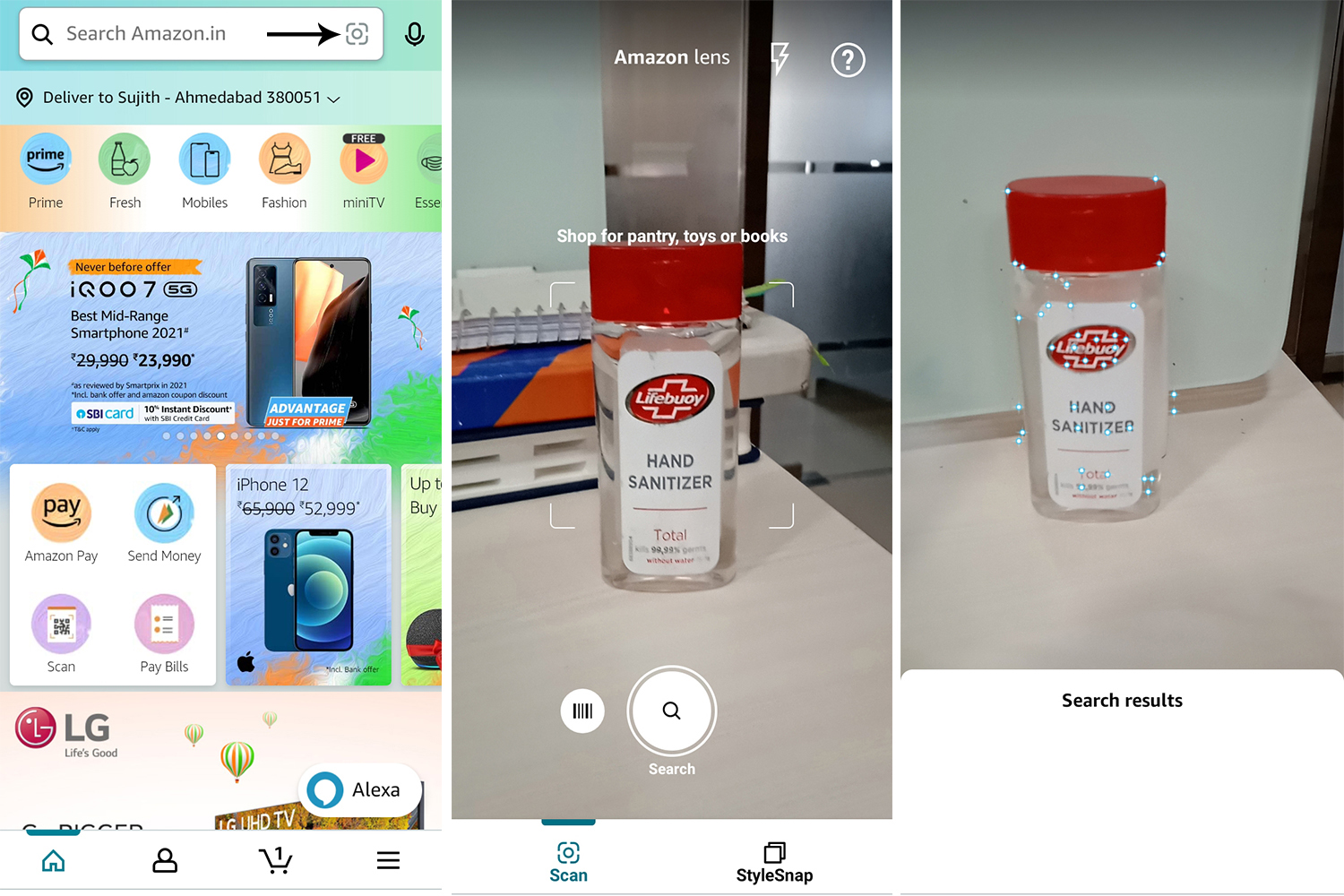
Product Search

A brand should also try to offer advanced search functionality. Like, a visual search, or keywords. With this the customers can upload a photo of the item they like and the search engine will find the product for them. And with the help of keywords or synonyms, a brand can help customers find the product they don’t remember by name.

Hidden costs

Customers work out the price of the product they want from the moment they start adding products in the cart. But as soon as the customer finds out that they are not paying what they thought they would due to additional hidden shipping fees or handling charges, they leave their transaction.

How to solve it?

It’s very important for the brands to let their customers know the exact charges or fees as the hidden fees always irk customers. How to do that? By having a consistent and clear pricing strategy.
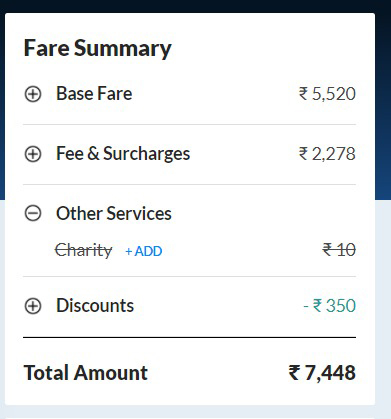
Hidden Costs

The customers might be expecting free shipping but if a brand is not providing that, it should make sure to include the fee before the checkout page. There should be a detailed bifurcation about the shipment or handling charges in the menu with a link on every product page.

So, we tried our best to convey common eCommerce pain points, maybe these resonate with you or maybe not. If not, your brand has different pain points. Let the experts at Flora Fountain, one of Ahmedabad’s best ecommerce website design and development agencies, find them and solve them for you.

Categories
Digital Marketing Agency

Social Listening: Why You Must Know What Customers Are Saying Online

3.6 billion in 2020 to 4.55 billion people in 2021!

No, that’s not the increase in population but the increase recorded in social media users.

4.55 billion people, or about 57.6% of the global population, today use social media.

users to pay more attention

This ginormous population is constantly interacting online, collectively creating (and bringing down) trends, fashion, memes and also brands! Whether they are B2B, B2C, B2B2C, every brand today needs to know what people are talking about them and their competitors online. They also need to know where to find the users who are talking about them, and which users to pay more attention to.

How? Through social listening.

Let one of the best digital marketing companies in India, Flora Fountain help you hit a gold mine for customer service and product development through social listening.

Social Listening

Social Listening is a strategy used by brands to monitor and track all the public conversations taking place on any social media platforms related to their brand or product. These conversations or mentions are analyzed for insights to evaluate customers’ feedback.

In simpler words, it helps a brand understand why, where, and how online conversations are happening, and what people think of the brand.

Why do brands need it?

Social listening can help brands understand and thrive in a dynamic industry that morphs faster than a Power Ranger.

A. Brands can learn about their audience & create better content

If a brand actively practices social listening, it can learn a lot about what its customers desire. The strategy helps the brand discover where their audience is most active and which social networks they predominantly use. Also, brands can understand what their audience wants, where their interests lie, and questions they have, based on certain topics and keywords. Knowing where your company falls behind and knowing where you exceed customer expectations will allow you to perfect the areas you’re already succeeding in and build a plan around the areas that are in need of improvement.

B. Brands can build better social media marketing campaigns

Once brands learn the various important aspects about their audiences, this information can help build a better digital marketing campaign. Because the best digital marketing companies will always make campaigns focusing on topics that are relevant to the target audience, so they sit up and pay attention.

Social listening helps a brand uncover such relevant topics by analysing all the social conversations based upon such keywords.

C. Brands can get a better understanding of their competition

Social listening also enables a brand to get a better understanding of how audiences feel about their competitors and the industry in general. This data gives an insight into where the brand fits in the market. It might also reveal competition, direct or indirect, that the brand didn’t even know existed.

D. Brands can find relevant social influencers

Finding the right influencer for a brand is not a piece of cake. But social listening helps brand identify people with a strong following on social media and other online platforms, that match their target audience. Because when the right people talk about the brand to the right audience, chances of higher sales and customer retention increases.

But how does one practice “Social Listening”?

Users are unafraid of sharing their opinions online. So, in order to keep up with them, a brand must listen to them. This can be done by either hiring a team or a social media agency to keep a tab on trends, or by using specialized software or online platforms that offer social listening tools, that give businesses access to more detailed forms of information.

Read More: Tips For Writing Social Media Captions

1) Start with a ‘Goal’ & know whom to listen to

What is it that the brand wants to achieve with promotional activities on social media? Higher sales? Explore new audiences? Improve customer retention or form a new channel of sales/revenue? Once this is clear, it becomes the GOAL of the brand.

Next, the brand must figure out where should they put its ear on. In simpler terms, a brand should know which platforms they need to pay attention to. Facebook, Instagram, Pinterest, Google searches, LinkedIn, etc.

Thirdly, how to identify these conversations. Through direct mentions of the brand, social media handles, and/or product names, hashtags, campaign names and relevant keywords, names of important people in the company, and topics related to the brand. And all these points to study the competitors as well.

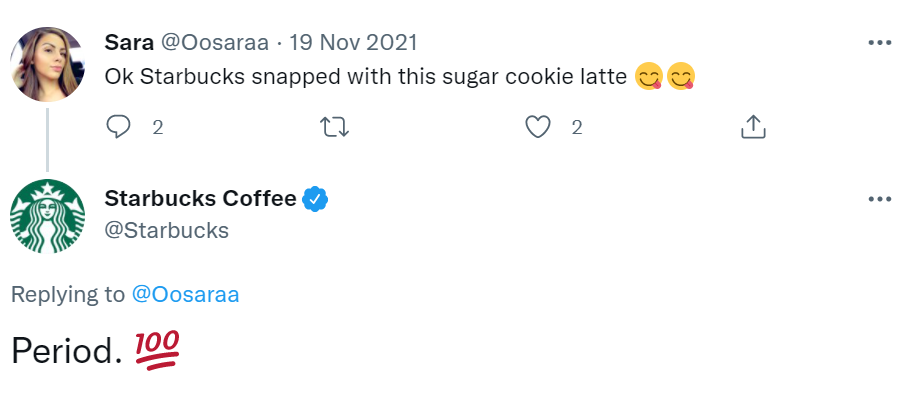
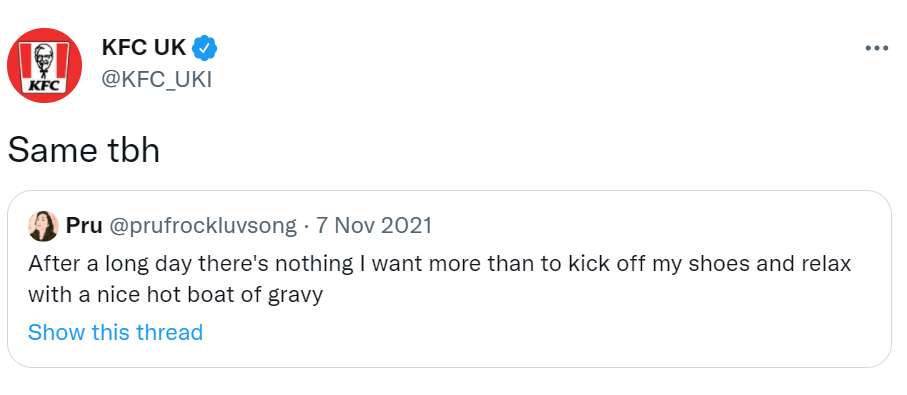
Starbucks

A great example of it is the following post, where Starbucks was not tagged with its official twitter handle, yet the brand was able to identify it online thanks social listening and respond to it, thus improving their customer engagement.

2) Empathize with the audience & respond fast

The audience needs to feel that they are being heard.

And in order to do that, the brand needs to engage a little more with its audience. Be it negative or positive, the brand needs to empathize with the audience.

brand gets positive feedback

If a brand gets positive feedback, then it needs to figure out what the audience loved about it and build marketing campaigns on that basis. And if the brand gets negative feedback, it needs to know the pain point of the audience in order to solve it.

3) Choose the right listening tools!

As kids, everyone is taught how active listening is important, but when it comes to brands, they haven’t always had the right tools to do so at a large scale. But now, there are many that can help brands in collecting and analyzing data in an easier way. Here are some that work across major social media networks:

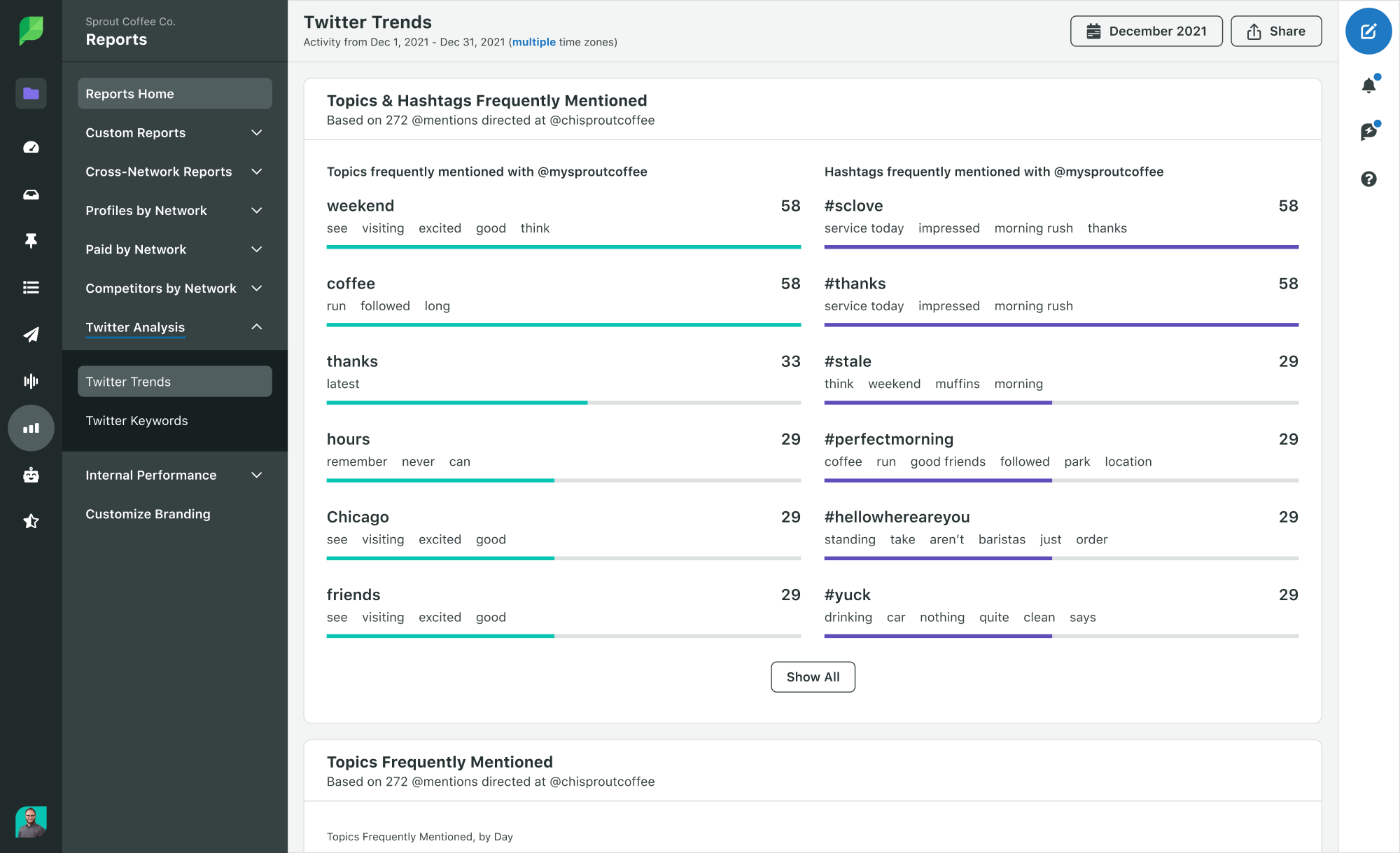
Sprout Social Report

Sprout Social:

This tool provides brands with in-depth analytics and insights for organized social listening. One of its features shows the hashtags and topics that are trending across the mentions of the brand and replies on behalf of the connected brand. The name of the people and brands that most frequently talk about and get mentioned with a particular brand surface on the tool.

Hootsuite:

Brands can use this tool to monitor conversations, keywords, and mentions, along with hashtags, and respond to them. The tool helps a brand to analyze many real-time conversations taking place on digital platforms.

Hootsuite

HubSpot:

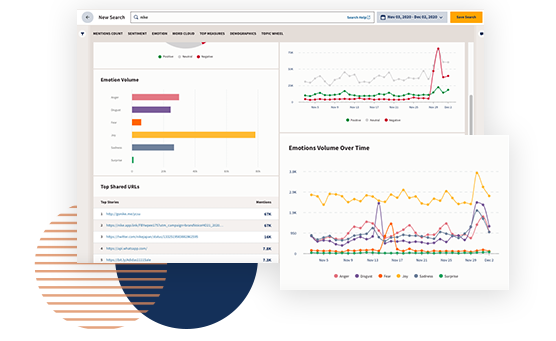
hubspot report

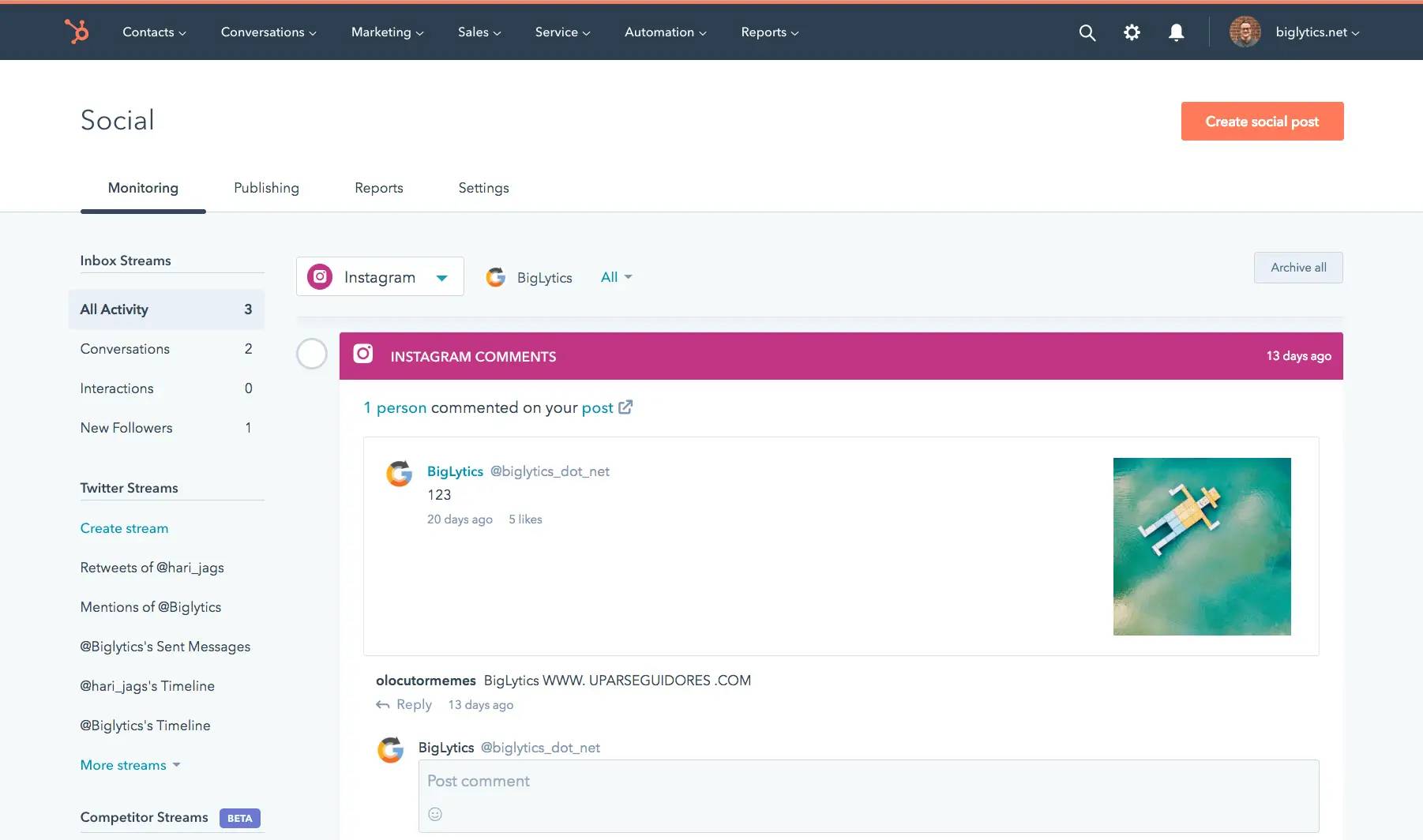
Brands can monitor social interactions and connect with the right people. It allows a brand to link data from social media with contacts in their database in order to create custom keyword monitoring, email alerts, mention notifications, etc.

Other than these, there are tools like Lately, Brand24, Brandwatch, Buffer, TweetDeck, Mention, which come with comprehensive features to help brands collect brand mentions across major social media networks.

As one of the top full-service digital agencies, Flora Fountain provides digital marketing services in Ahmedabad, India, and across the world. Drop us a message to plan some insightful social listening strategies for your brand.

Categories
SEO

The Longer the Better! Why Long-Form Content Is Crucial To Effective SEO

No two writers will ever agree on the same answer when it comes to long-form content. One argument we as an SEO company offering digital services in Ahmedabad constantly battle with, is that given that the attention span of netizens is getting shorter, we must write shorter, crisp content.

But, what about the readers who wish to attain complete information, in detail from us? And of course, it will hamper the SEO activity since short-form content will never be able to touch the minimum length requirements for it.

Let’s try and understand what exactly do we mean when we say long-form content, and why it still holds importance in content marketing.

What is long-form content?

content marketing experts

There have been multiple definitions of long-form content. While some claim that any blog that crosses the threshold of 700 words is long-form, content marketing experts suggest that informative articles that are more than 1200 words are considered long-form content.

Flora Fountain’s SEO experts have always believed that any blog or article that wishes to rank higher on the search pages, must be of minimum 800 words, and should have all the relevant keywords.

And writing long-form content comes with a plethora of benefits for brands that wish to grab as much attention it wants on the internet. Here’s how…

Gain more backlinks

Backlink
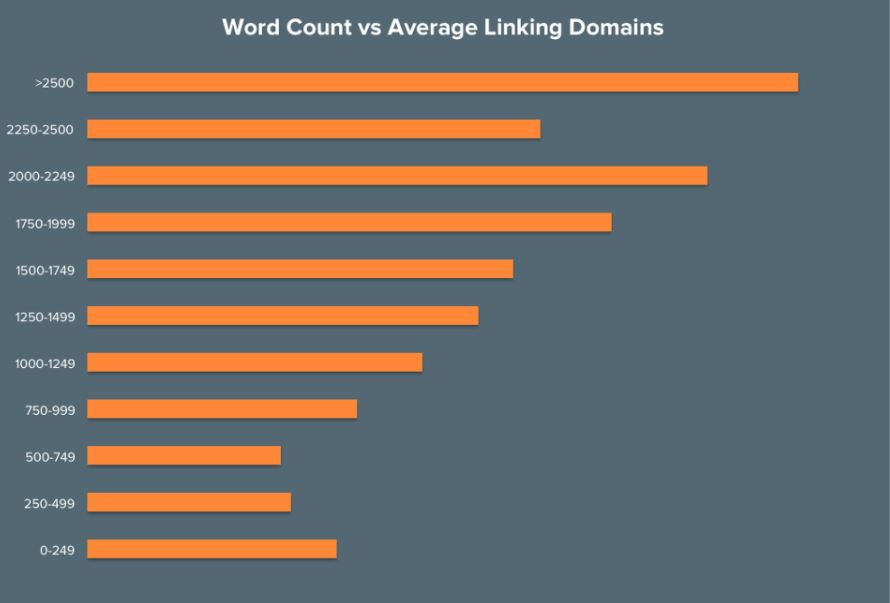
HubSpot graph showing the correlation between content length and backlinks

Google prefers high-quality content and link-building to rant any website on the search engine results page (SERP). And long-form content has a greater probability of earning quality backlinks.

HubSpot, in its research The Anatomy of a Shareable, Linkable & Popular Post found that articles with a word count of over 2500 words earn the most links. Short content on the other hand has 75% fewer backlinks than articles of average length (900–1200 words).

Drives traffic to the site

SEMrush further studied over 700,000 articles to come to a conclusion that articles with more than 3000 words generate 3 times more traffic than articles with 90-1200 words. In another study, HubSpot found that articles with 2,250 to 2,500 words earn the most organic traffic.

Here’s another fun fact that we came across. Founder of NP Digital and prominent digital marketer Neil Patel had clocked over 100,000 visitors every month in the first year itself of launching his website Neil Patel. Wondering how? Well, obviously his content is rich with data, facts and detailed knowledge about digital marketing, but apart from that, his blogs are anywhere close to 4000 words.

The point we’re making here is that when you write quality content in long-form, using the keywords strategically, search engines will definitely rank you higher and drive traffic towards your website.

Raises Click-Through Rate

Click-through-rate (CTR) is the ratio used to gauge how the keywords, advertisements and SEO listings are performing. A simpler way to explain this, is that the number of clicks an ad receives is divided by the number of times it is shown to people online. For instance, if an ad is shown to 100 people, and 5 of these people clicked on the ad, its CTR is 5%.

Search engines use this data to see if a page on a website is informative enough to the users or not. Less clicks means the page is not able to fulfill users’ query. So, they move the page down in the search rankings.

And when writing long-form content, it gives enough room to write compelling headers, description tags, and place multiple keywords on strategic locations of the write-up. These smartly written titles, headers and descriptions, peppered with keywords entice the user to click on it when shown of the SERP. And once pulled in, it can also reroute them into exploring the multiple offerings and pages on the site.

Increases dwell time

Dwell time is the amount of time any visitor spends on a particular site. This metric shows Google if a website or any page on the website is worth spending time on or if that page is fulfilling the needs of the user. If a website has a short dwell time, Google finds it irrelevant to the search query.

Long-form, good quality content gets more eyes on the page. It increases the dwell time as people stay on the page for a longer period of time.

Tips to write long-form content

  • Avoid writing in long-drawn sentences. Break down the information into shorter sentences and then place them into a paragraph.
  • Try listicles (Thank you BuzzFeed). People LOVE lists! Instead of big blocks of paragraphed content, list out the points and write shorter descriptions for them.
  • Set a flow for the content. For instance, decide a specific number of words for the opening, the introduction to the topic. Number the bullet points that cover the soul of the story and again fix a specific number of words for description of each.
  • Add source links to every study and research quoted in the article, helps with the back-linking.
Categories
Creative Agency

5 simple hacks to wiggle your way out of a creative block

There’s a cup of coffee on a table, it seems to have gone cold ages ago. While the room is dimly lit, the bright light from the laptop screen breaks the monotony of the room. And right there, in front of that screen, on a chair is a person sitting and staring blankly at the empty document file open on the screen, wondering where to start.

Every creative person has come across scenarios where he or she feels saturated when it comes to fresh ideas. They’re unable to find the motivation to look at things differently or take inspiration from what’s going around them and create something unique and valuable.

This invisible barrier is called a Mental Block. No, it’s not a disorder to be diagnosed or medically treated. It happens to the best of us. But it could be overcome. How? Let the writer of this piece, from the best creative agency in Ahmedabad, tell you. Yes, we’re speaking from experience.

Remember why you started in the first place

That feeling of not being creative enough has prevented many artists, creators and writers from taking that plunge, of exploring that little idea, that thought nugget, which could be developed into a work of art. This is self-doubt at play.

Despite having numerous awards, recognitions, degrees and all that jazz, when self-doubt creeps in, it makes a person feel unqualified to do even the simplest tasks of the job. It affects his/her productivity and further stems the creative growth trajectory.

It could originate from that one rejection of an idea, a blunder or an error that may have been minor, but it makes one feel embarrassed and guilty. But, but… There’s a way out.

Sometimes, taking a walk back in the memory lane can rejig and remind us of the core idea behind everything we do. Why did you become a writer? What made you decide that you wanted to be a designer? What inspired you to take up teaching, accounting, athletics or whatever discipline you are into?

Being reminded of the original goals infuses fresh energy and a serotonin boost, to get up and pull up those sleeves to get started, take that first step.

Overcome those emotional roadblocks

It’s not always the professional challenges that stops someone from expressing their thoughts and ideas freely. Sometimes, certain incidents or situations on a personal front could be creating an emotional roadblock to the flow of creativity.

Having worked and interacted with many creative minds and being one of the best advertising agencies in Ahmedabad, we have come across scenarios where writers aren’t able to express themselves in their usual selves, the designers seem to get their senses wrong one that one particular day. It is only upon talking to them, we realised that one had a tiff with their wife in the morning, someone else found out about some disorder or disease they have, another person got scolded by their parents for something.

Person Emotionally and Mentally

Yes, these incidents and scenarios affect a person emotionally and mentally. It can block out everything else around them and make them keep thinking about this one thing all the time. While there is no practical way out, given everyone has varying emotional bandwidth. Taking a break, to grieve, to procrastinate; or talking to a confidante about it, helps one feel better, lighter and safer. And that way, you’re able to find room to think about things other than this.

Be more flexible

While working on a project, sometimes you might feel like there is only one way to solve it. On your way to find that ‘right’ answer you fail to see any other options or alternatives. You start resisting considering those options without properly evaluating those alternatives.

Remember, flexibility comes hand in hand with creativity. So instead of trying to find the right answer, give yourself an assignment and spend enough time to fairly judge all other options. Take a break from being unique in every creative, and do a repetitive task in which you know you are good.

Just let your mind wander!

STOP Overthinking

When your inner critic is hyperactive and finds fault in every idea you have. You eventually stop yourself from trying any of your ideas. This means, your brain gets in the way of your creativity, and you’re overthinking everything. Making too many assumptions is restricting in discovering new innovative options or approaches to a problem or a specific situation. Be quick to discard any assumptions that are not based on solid facts or there isn’t sufficient proof to back these assumptions up.

To get out of overthinking, the first thing you have to do is get out of your head! Clear your mind by going out for a walk in the park, or by watching your favourite movie, or reading a book.

Don’t run away from risks, tackle them

Yes, we know it sounds a bit tough given the pickle you’re already in, but trust us, this is the best way out. Everyone fears making mistakes, failing at something and facing its consequences. But then that limits the scope of where your creativity takes you and how your intellect evolves.

Sidestepping a challenging scenario means you are undermining your capabilities. Instead, test them. It’s never a life and death situation (unless you’re held captive for ransom). If you’re able to overcome the challenge, you will revel in its success. And if you struggle in doing so, you will learn many lessons for the future.

Creative Thinking

Because it was this fear of facing those struggles that were blocking your mind from taking that plunge.

ALWAYS REMEMBER, these creative blocks are just a part of the creative process and of agency life. We hope these simple but mindful hacks from Flora Fountain, one of the best advertising agencies & creative agencies in Ahmedabad, come to rescue the next you run into a wall we call the creative block. And if that doesn’t work, just give us a call 🙂

Categories
Web Design and Development

5 Nightmares Every Web Developer Dreads

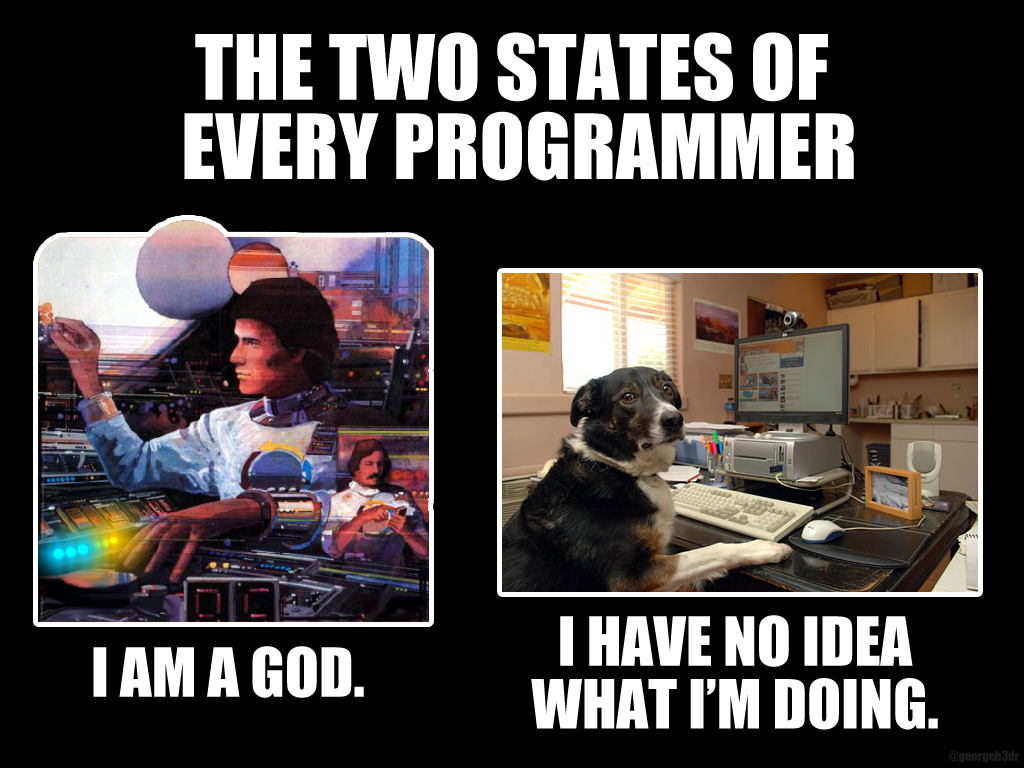
While everyone and their aunt talks about things developers dig, what coders love to create and so on, we are surprised how nobody is talking about what developers love to hate, the coding horrors that give them nightmares.

With a team of sharp web developers working on some of the best websites designed and developed in Ahmedabad India, we have learnt at close quarters about the many things that keep our talented techies up at night, things they dread. And they are…

1. Fixing someone else’s bad code and bugs

The one thing that every developer fears while joining a new company, is the cleanup job of any project developed by someone else. Developers hate touching someone else’s code. And it’s a horror story if the code they’re working on is lengthy, unreadable, complex, riddled with bugs and LIVE.

Good-Developer

Wondering why this happens so often? That’s because developers, just like writers and painters, have their own style of coding. A good developer will always document his/her code, to ensure the sanity of anyone who might have to work on their code in future. Yes, this includes themselves too.

Of course documentation is a painful process and it’s the second most hated thing for most developers, but without it, any new developer will have to scour through thousands of lines of the original code to figure out what the former developer was thinking. And trust us, it is a NIGHTMARE!

2. This, that, everything is a top priority!

Three developers walk into a bar, they start discussing their priority tasks and bugs. The bartender chipped in, “I KNOW, RIGHT… THAT’S WHY I CHOSE BARTENDING OVER CODING!”

Frustrated man with laptop

Developers absolutely hate it when their project managers come up to them and keep adding new “top-priority” tasks on their plate and still expect them to complete all the previously ongoing ones at the end of the day.Prioritizing means ranking tasks on the basis of its importance and urgency. It’s not rocket science for anyone to not get it. Of the many developers we have worked with while offering website development and web design services in Ahmedabad, most of us have recalled of instances where they have been expected to work on two projects in parallel or multitask because Task A and Task B both are ‘Top Priority’

Surprise, surprise, that’s not how it is supposed to work! It’s just a pure case of bad management and project heads and team leads cannot blame their developers for their poor estimation of deadlines.

3. Meetings, a lot of them!

THIS MEETING COULD HAVE BEEN AN EMAIL!

Developers absolutely hate it when they are pulled into “quick meetings” that last close to an hour and have no clear objective or agenda. This causes interruptions in the flow of their work and forces them to clock extra hours in the office to finish their work for their “Top Priority” projects.

Badly run meetings or “brainstorming sessions” can end up wasting the developer’s valuable working hours and break their flow of thought, which then leads to difficulty in getting back into the zone to write code.

Project Manager

So, the next time a developer says he/she is looking forward to the weekend, they aren’t making plans to hang out with friends, relax or go on a date (hope we didn’t touch a nerve there), but to finish their pending tasks with focus and in absolute isolation (okay, that’s the last one, we promise).

4. Just one more thing

Office Space came close, but we’re actually surprised why Hollywood or Bollywood hasn’t made a movie on a developer who goes on a rampage after his/her project manager came up to the desk and said “Hey, one more thing..” and added another new, difficult task on their plate.

Website Development and Web Design Services

Yes, we know that priorities change during the course of the day and not every task list can be followed to the T in website development and design. But it makes the life of a developer easier if the smaller things in web design can be planned before the actual development begins. We’re talking about the last minute, unclear requirements that crop up once the demo is ready.

Too many last minute additions and that “Just One More Thing” could wreck the code and further ruin the design philosophy of the entire product. One product cannot please all!

5. People seeking “tech co-founders”

Ever wondered what do developers talk about and laugh out loud with their other developer buddies during lunch break or around the water cooler? It’s the number of times they have been asked to join hands with their ‘non-developer’ friends as the “Tech Co-Founders” for their “Path-breaking Digital Solutions” company.

Jimmy Speckman

No, we haven’t lifted a scene straight out of The Big Bang Theory (Remember Jimmy Speckman and his great 3D glasses idea?). Developers absolutely hate it when their friends and families expect them to build products and softwares that fulfill their wild fantasies, and further accept the fancy titles given to them for being the “co-founder” of the startup.

Ever wondered why? Because people who approach developers to join their start-ups as their tech co-founders have absolutely no idea how web development works and they are the ones who have watched “The Social Network” and got inspired to create the next big tech idea.

And no, this wasn’t a rant by our tech lead, but just an ode to all the talented and hardworking developers around the world who have worked with us and are working with many other companies, having developed some of the best products. We hear you guys, and you all are awesome! And oh btw, in case you were looking for a web design company to work with in Ahmedabad that just gets it, you know who to contact 🙂

Categories
Ecommerce

Upselling & Cross-selling to increase sales on your Ecommerce website

Indians spend close to 6 hours every day on the internet. And 50% of the overall online traffic is on online shopping websites looking for products and services. While this trend has gotten a lot of small businesses to start selling online too, many still lack the marketing strategy to capitalize on this trend. And to stand out amongst the multitudes selling online.

As a digital agency in Ahmedabad, focusing as an ecommerce website development company in Ahmedabad, Flora Fountain, always suggests its clients to start upselling and cross-selling online as a part of their digital sales strategy. In short, this means building features on ecommerce websites that encourage customers to add more products to their cart during or even post checkout. But, what is the difference between upselling and cross-selling? And how can they be used more effectively to increase the size of each transaction and retain customers? Read on…

Upselling and cross-selling are commonly confused, but there is a key difference. While upselling focuses on increasing order value, cross-selling involves making a recommendation adjacent to the original product. So an upsell is more of an upgrade, whereas a cross-sell is a whole other purchase.

Wait, wait… Let’s try it with a more relatable example. When a hungry customer orders a burger at a McDonald’s, the guy on the other side of the counter says, “Would you like some fries to go with it?”

That’s a cross-selling pitch. Now, if the counter guy had said, “You can make this a Big Mac for just X rupees/dollars”. That is an upselling pitch. With the world going digital (yes, we’re not going to stop saying it!), brands can implement the same sales strategy on their websites too… Here’s how!

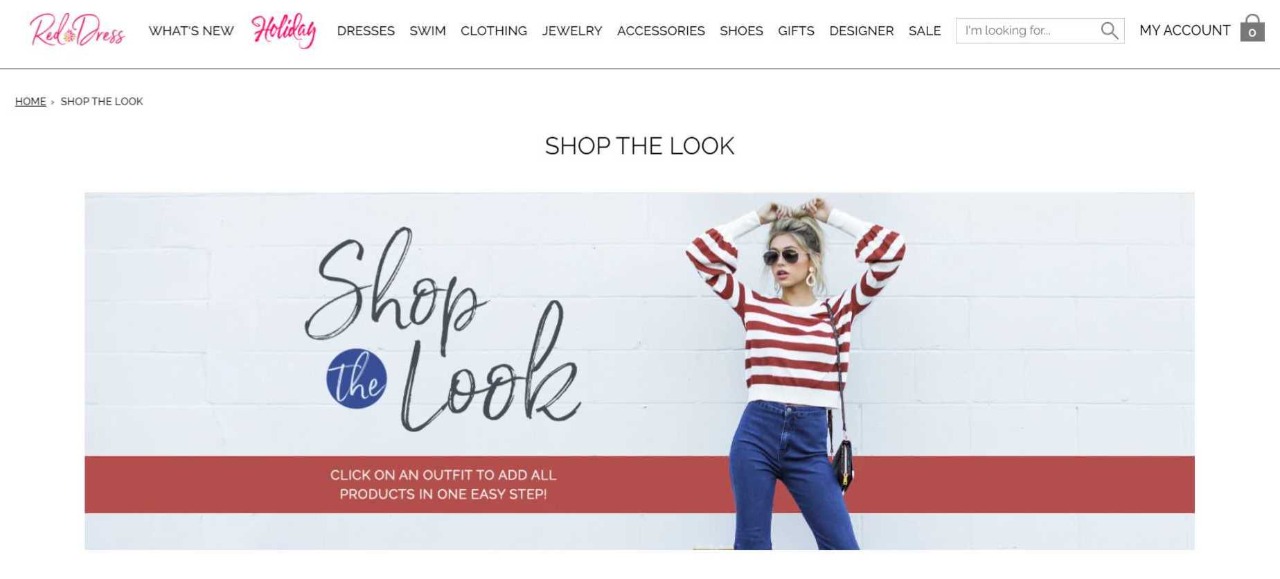
Shop the look

This technique works well for fashion and lifestyle brands. When a visitor selects a product, say a shirt or a kurta, then the display page will show a small module right below the description, where a high definition picture of a model wearing the said shirt/kurta, along with a jacket, trousers, shoes and sunglasses. Now, this technique should be used when all the products in question are available on the website.

reddress-landing-page

Brands like FabIndia, Ray Ethnic and major ecommerce players like Amazon and Myntra use this method of cross selling heavily to increase the cart value of the visitors on their page. Plus, the customers benefit from this, as they get their desired outfit ready to pick and delivered to them for a flat rate of shipping.

Use side-by-side comparisons

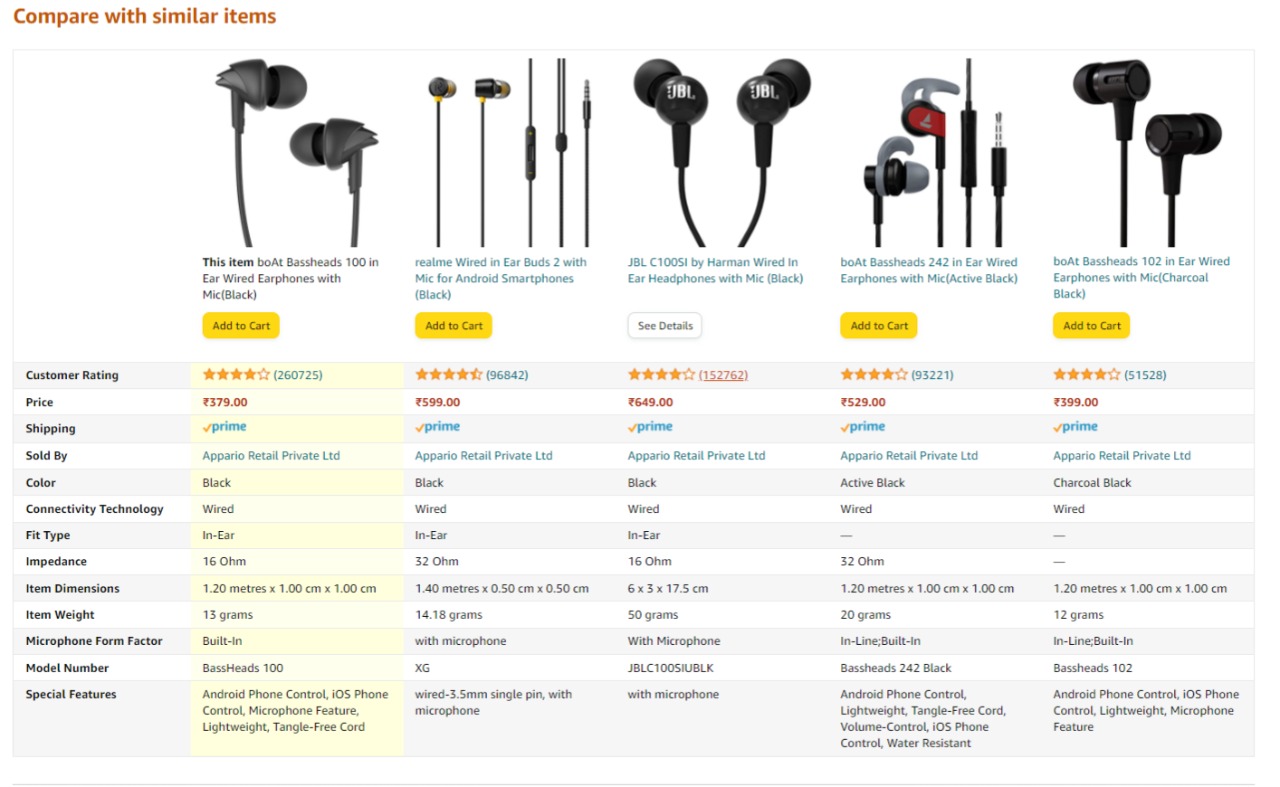
This is a great method of upselling, mostly used by brands that sell electronics and electrical products, where upgrades matter a lot. Let’s take an example of a mobile phone purchase here. When a customer selects a mobile phone model by Samsung, with specific features involving storage, processor speed, camera quality, etc, he/she is shown a module with a slider consisting of similar mobile phones from the same and different brands, but a slightly upgraded version with an increased price.

amazon-compare-list

Since the placement of these products are such that the viewer can immediately compare the look and feel, and the features of the phone with the price difference, there are high chances of him/her picking the upgraded model as they won’t mind shelling out a few extra bucks for a better model.

Frequently bought together

amazon-Q&A

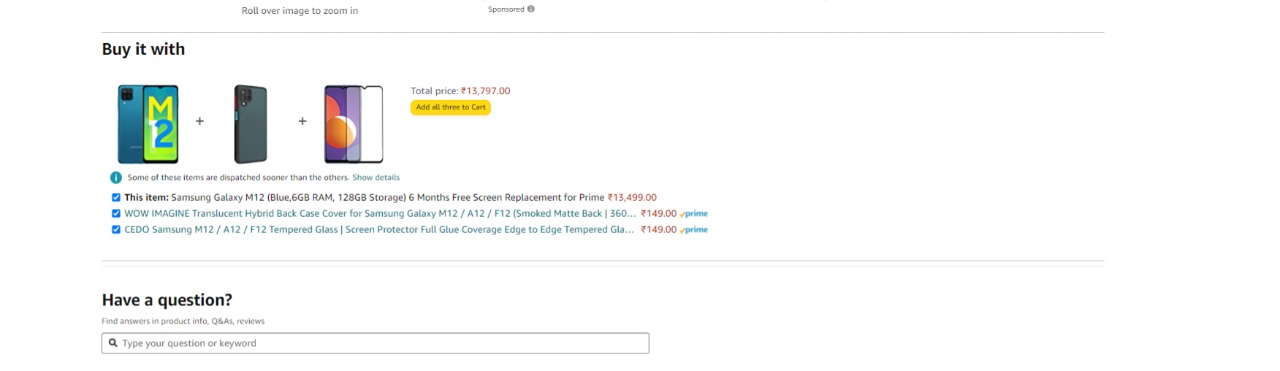
The idea here is to sell supplementary products. Yes, it may sound like the earlier point, but this one applies to almost every type of product, from food, fashion, electronics and even services.

Amazon.in does this the best, even for the smallest product on their website, they will have a suggested product ready to be pitched on their product landing page. For instance, simply try adding peanut butter to the cart. Immediately, you will see the suggestions below, of multi-grain bread and even a butter knife with the title Frequently Bought Together.

Chances are, the customer would add the entire bundle to the cart just like they did for the Shop The Look.

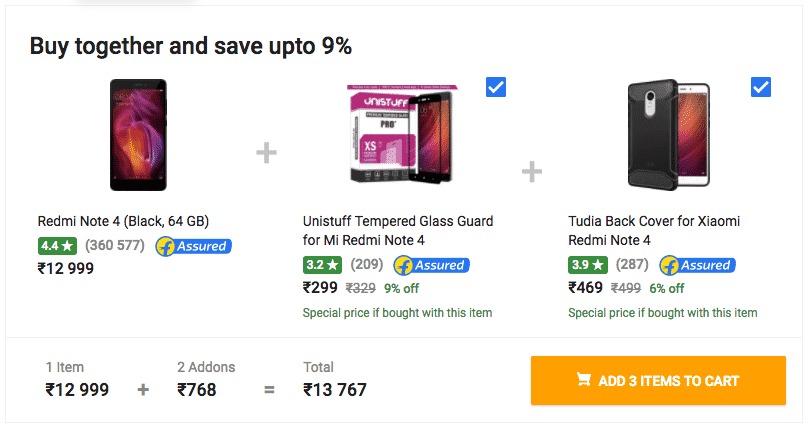
Bundle discounts

Let’s not deny the fact that everyone loves discounts! We’re pretty sure even the richest man in Asia looks for discounts on the peanut butter he orders. Bundle discounts work great when pitched together with the Frequently Bought Together or Shop The Look technique.

discounts on Products

Why does this technique work? Because when a customer buys Product A and Product B separately, he/she might have to pay full price and even separate shipping costs. But when they are offered the main product and the supplementary product for a small yet attractive discount, it forces them to take the deal, since they calculate the discount and the flat shipping rate as savings on the purchase, while the seller gets to increase his/her cart value.

Executing a successful upsell and cross-sell campaign will not only increase the average order value but also improve customer retention. Now that you know how to increase your online sales with such simple tricks, get started!

Or, how about you relax and watch the numbers grow, by hiring ecommerce website developers from the leading software development company, Flora Fountain! Drop us a hello here!