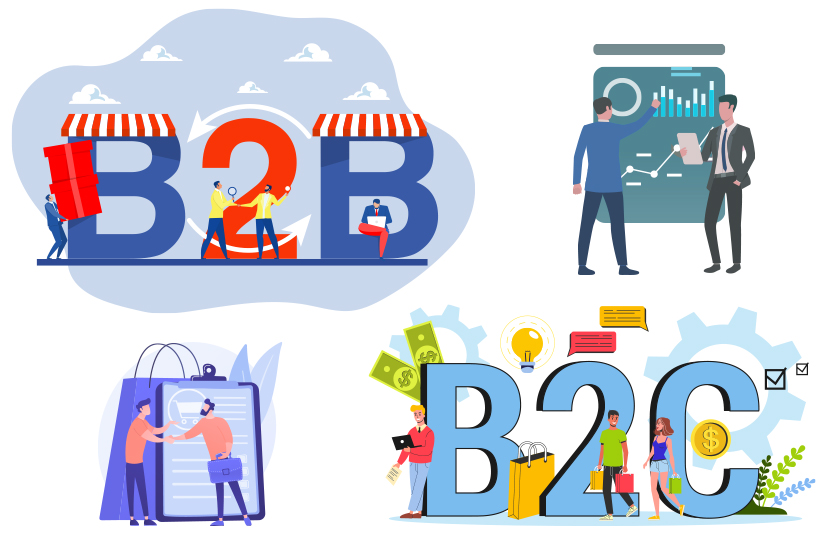
Everyone has heard and knows about Alibaba and Amazon. One is a Chinese ecommerce giant and the other is an American multinational entity. Both are known for their digital sales, but there is one thing that makes them very different.
Alibaba is a primarily Business to Business (B2B) shopping platform whereas Amazon is a Business to Consumer (B2C) platform. They both sell, but to different audiences, with completely different business models in place. What separates the two? Let’s take a deep dive into what makes B2B ecommerce different from B2C or retail ecommerce.
The real difference between B2B and B2C
In a B2B business model, a business, that is a manufacturer or wholesaler, sells their products to another business, usually a retailer. While in a B2C business model, the same retailer then sells these goods to the end-consumers. And there are several differences here, right from the expectations of the customers, the margins on products, down to the quantity ordered and even the method of shipping these products.
Yes, this means their ecommerce websites need to be different too
As both business models serve different sets of target groups, their ecommerce websites are developed differently too. As the top ecommerce website development company in Ahmedabad having provided ecommerce website solutions to some of the biggest brands across the country, we’ve listed down the top 7 differentiators between B2B and B2C websites:
Curated homepage
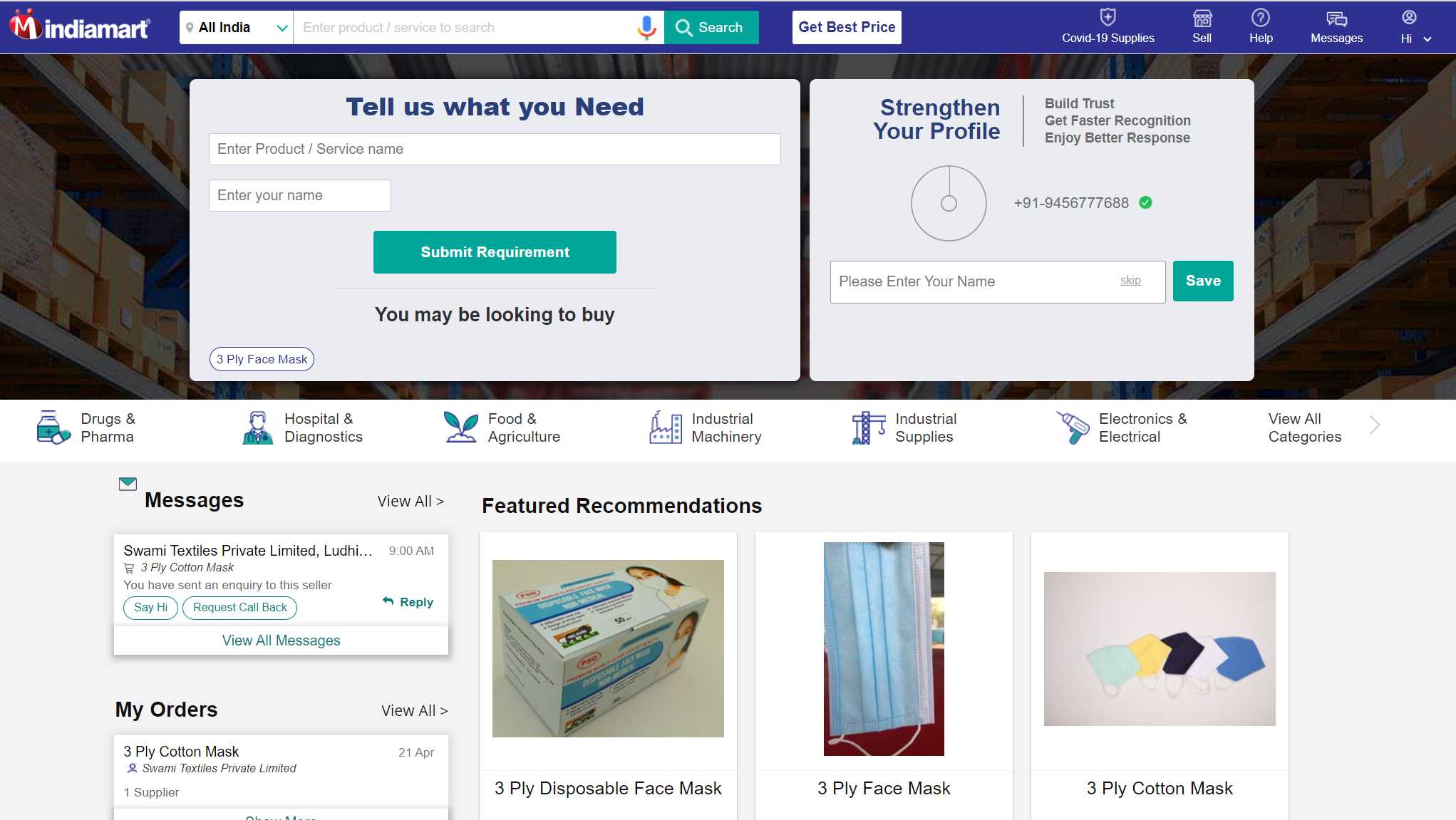
The homepage of a B2B website has a simple, clutter-free design with a focus on the products being sold, accompanied by highly informative product details, alongwith SKUs (Stock Keeping Unit) and reference images. These modules often have a quick order system for buyers who already know the product name or its SKU code.
In comparison, the homepage of a B2C website has a lot going on. The design is usually intriguing and engaging, with multiple entry points for exploring the product range. The content is quirkier to create desire for the customer to explore the products some more. Often discounts and special offers are highlighted to push the website visitors to buy.
Tailored content and images
The content on B2B websites focuses on providing a lot of information about the product to the visitor, since the target groups here are typically business owners, purchase managers, stockists, etc. who evaluate and compare on the basis of detailed buying guides, demo videos, and in-depth articles. The idea is to give the buyer all the information they could want before placing a bulk order.
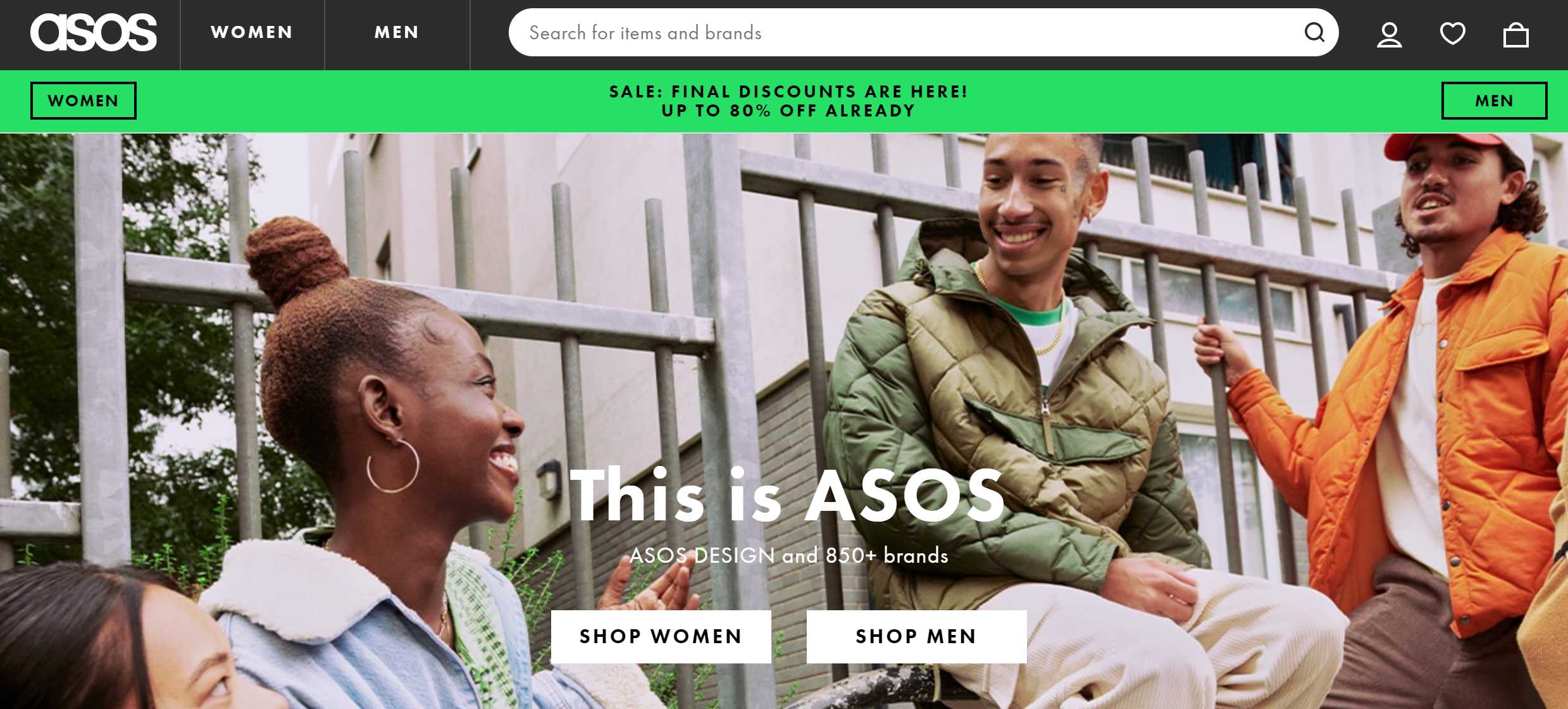
On B2C websites, the content is tailored to grab eyeballs of visitors with short, enticing and catchy headlines accompanied by multiple high resolution images of the product. Often the images for product images are highly styled and sometimes they will make use of models too, for increasing engagement and relatability. In addition, the content champions the discounts offered, favourable customer reviews and its striking features to convince the buyer to make a purchase decision pronto.
Customer support
Customer support is one of the most crucial aspects of selling online, whether it is to a business or to an end-user. For B2B, there is customer support required on multiple levels, right from the checkout process to after-sales concerns. B2B customer support involves live interactions through chats, human interactions via video calls for demos, answering FAQs of businesses, processing payments, logistics and even reorders.
When it comes to B2C, the customer support is available 24X7 and focused more towards post-sales complaints, returns and exchanges. B2C platforms deploy programmed chat-bots who are capable of answering simple queries and escalate the communication further only if the situation permits it. The idea here is to reduce the customer servicing costs, given the large number of orders B2C platforms process.
Minimum/Maximum Order & Shipping Quantity
B2B platforms usually have a minimum order quantity. This minimum threshold is a common practice for B2Bs, to ensure only serious purchases are done and the expenditure for processing and shipping these orders justifies the value of the transaction. Some platforms even have a quantity in multiples for various products that are sold in packages.
B2Cs have an exactly opposite policy, where it sets a threshold of maximum orders per person. This is done to ensure no malpractice is involved in exploiting the various offers and discounts offered by the sellers to increase for their retail customers.
Call-to-Action Prompts
The call-to-action or CTAs on a B2B platform have multiple channels of contact. There is usually a live chat feature, a messaging module, an official email address and a go-to helpline number of the seller. The placement of these CTA options are usually done in such a manner that they provide multiple touchpoints with both the aggregator platform and the seller.
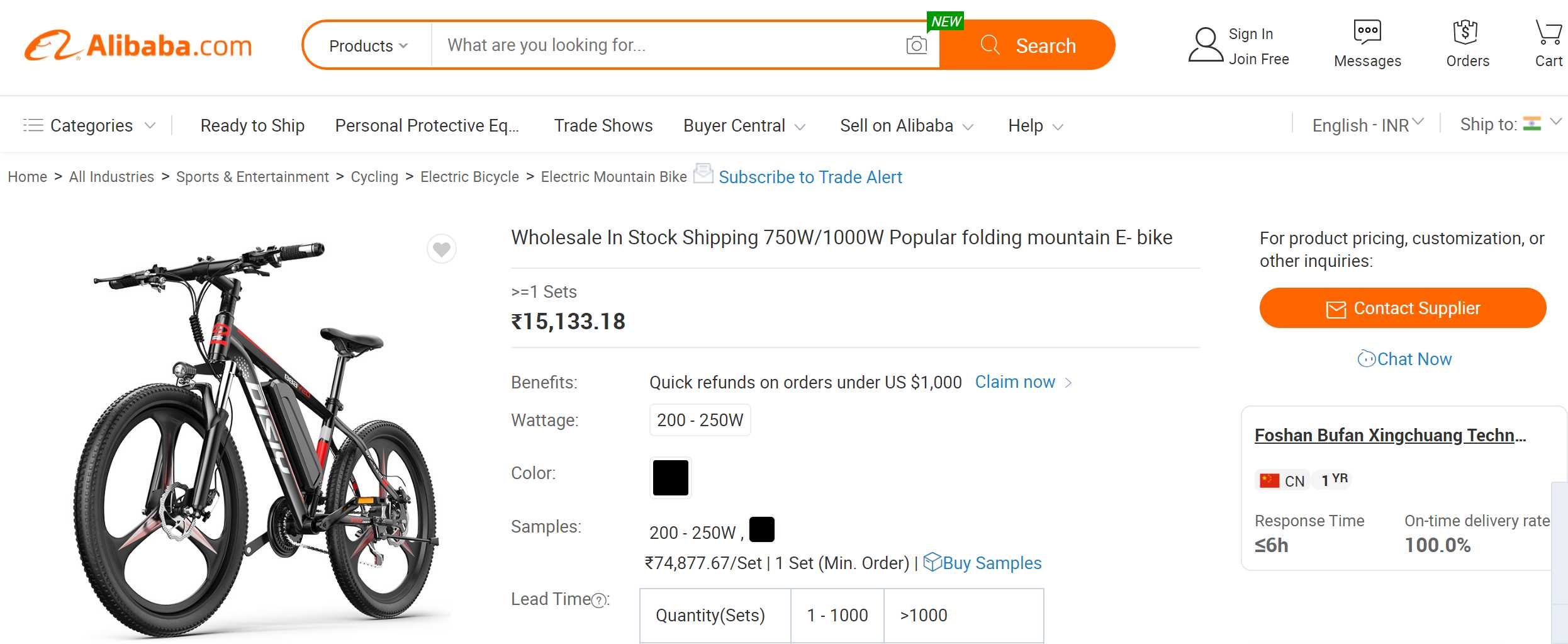
B2C CTAs are, on the contrary, more on the creative side, with more room to tug the target audience’s emotions, attempting to impress with wit and humour, while creating a sense of urgency too. On B2C platforms, the seller’s contact details aren’t revealed and all the communication passes through the customer service department of the platform or aggregator.
Different Pricing
The checkout process in B2B platforms is usually a combination of automated processes and human interactions. Since these platforms handle high-value transactions, they have negotiable price points to ensure a long-term buyer-seller relationship with their customers. The checkout process has options like Request a Quote, Contact Seller for negotiations, Request Demo, Payment Assistance for options like pay-on-credit, bank transactions, etc. and even Logistics Support.
Meanwhile, B2C checkouts have minimal touchpoints. Instead they have options to create Wishlists, Add To Cart products and continue shopping and modules to apply various discount coupons and referral codes in the checkout process. They provide as many multiple digital payment options as possible to not lose a customer, often providing a Cash on Delivery or COD option as well.
We hope this helped present a clearer picture for your ecommerce business and gave you enough conviction to dip your toes in this ecommerce ocean of possibilities. Still waiting? How about checking out the Ecommerce website solutions provided by Flora Fountain, the top Ecommerce website development company in Ahmedabad. All you have to do is drop us a hello on hello@flora.ffteam.in and get the ball rolling today.
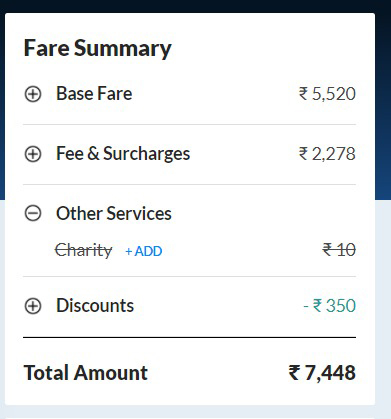
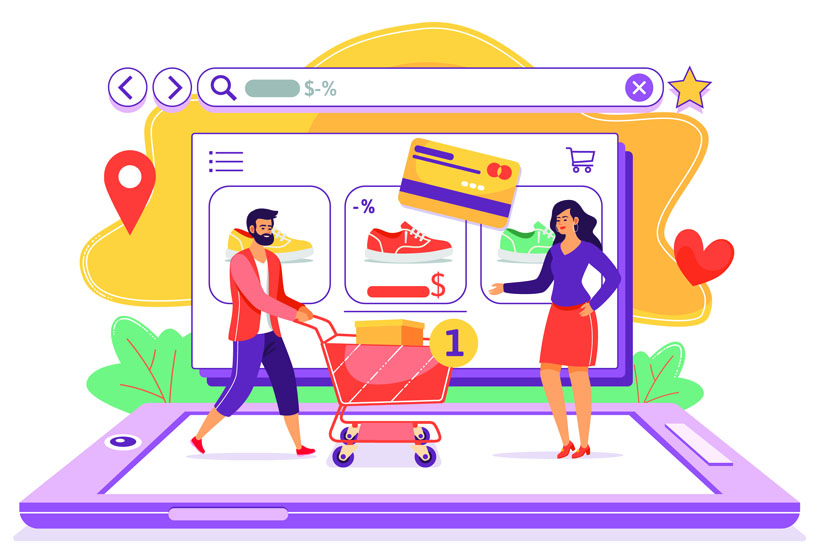
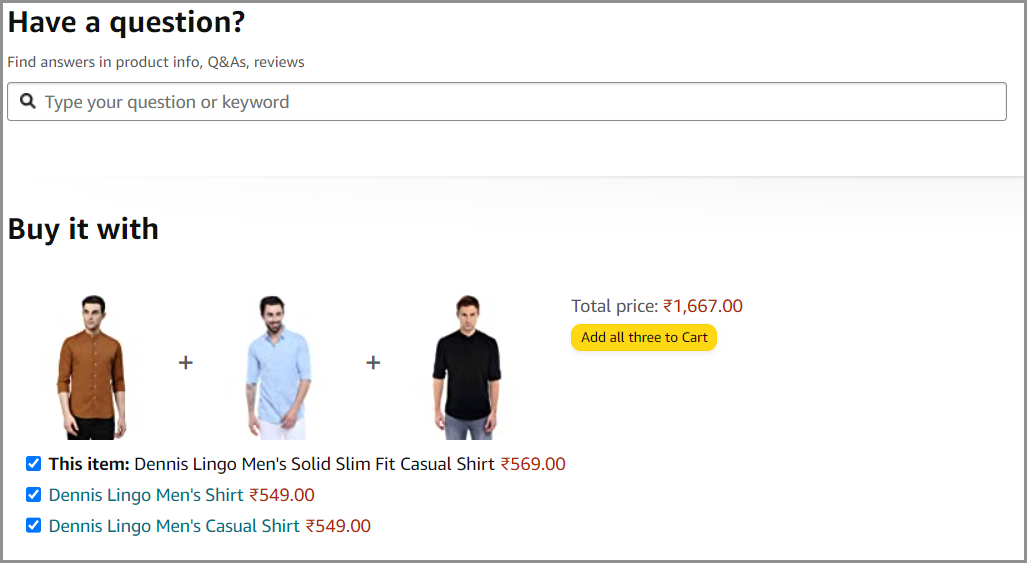 Amazon.in cross selling multiple shirts on their product pageFor instance, if a customer is looking to purchase a mobile phone online and as they scroll down, it will show a combined price window with a pair of earphones and power bank. It lures the customers into thinking he/she is getting a great deal in purchasing all of three products together.
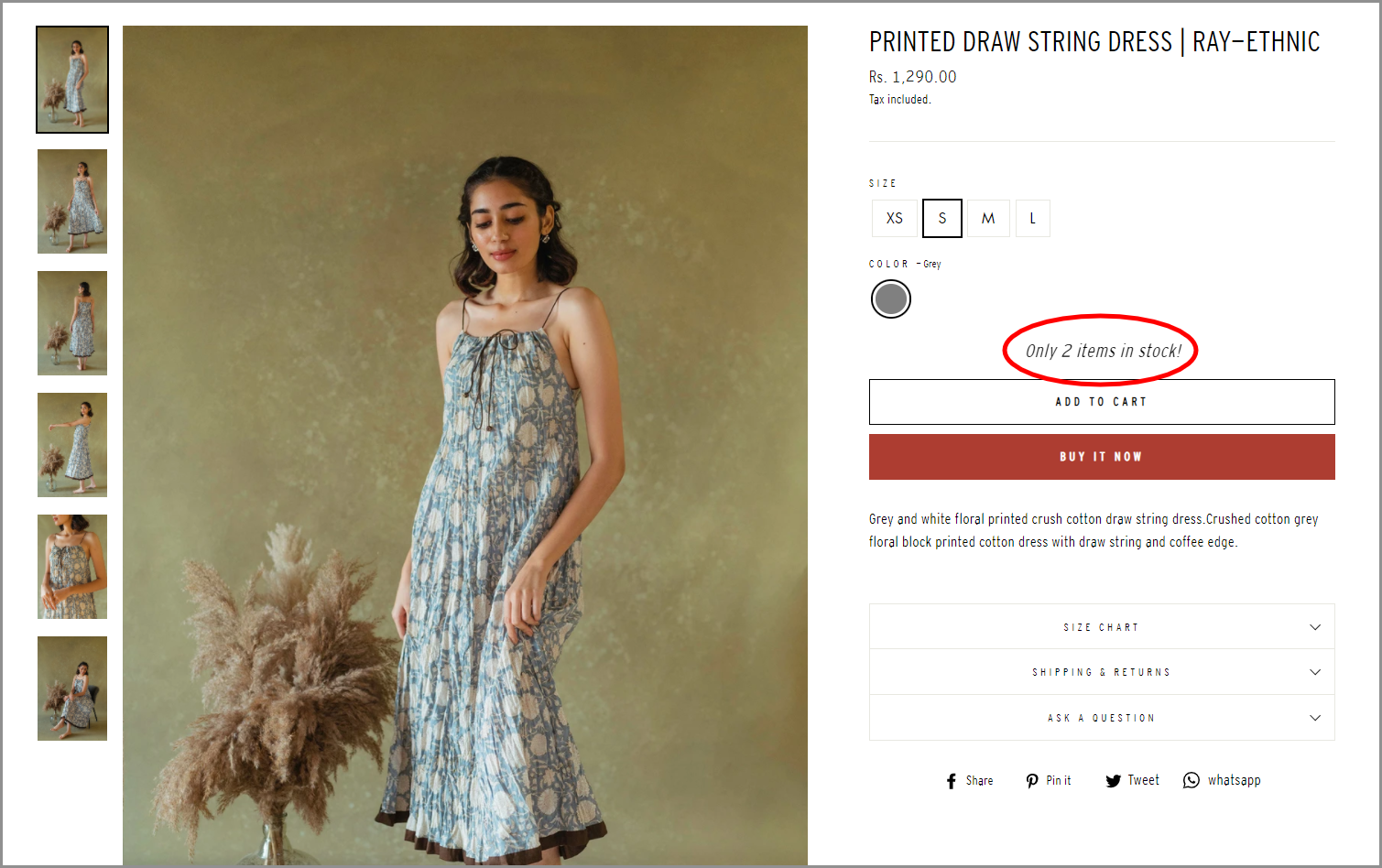 Rayethnic.com creating a sense of urgency by highlighting high demand of their productsAnother way to create a sense of urgency is to offer a limited period discount or benefit. For instance, Amazon displays a pop-up under many of its products which offers either an attractive price deduction or a free overnight shipping if the customer places an order within X number of hours.
 A variety of blogs on rayethnic.com that talks about fashion tips using their productsBut these aren’t just blogs, they’re smartly written content pieces peppered with relevant keywords that help their website rank higher on the search engine page. This means their visibility increases further when people search for ethnic wear.
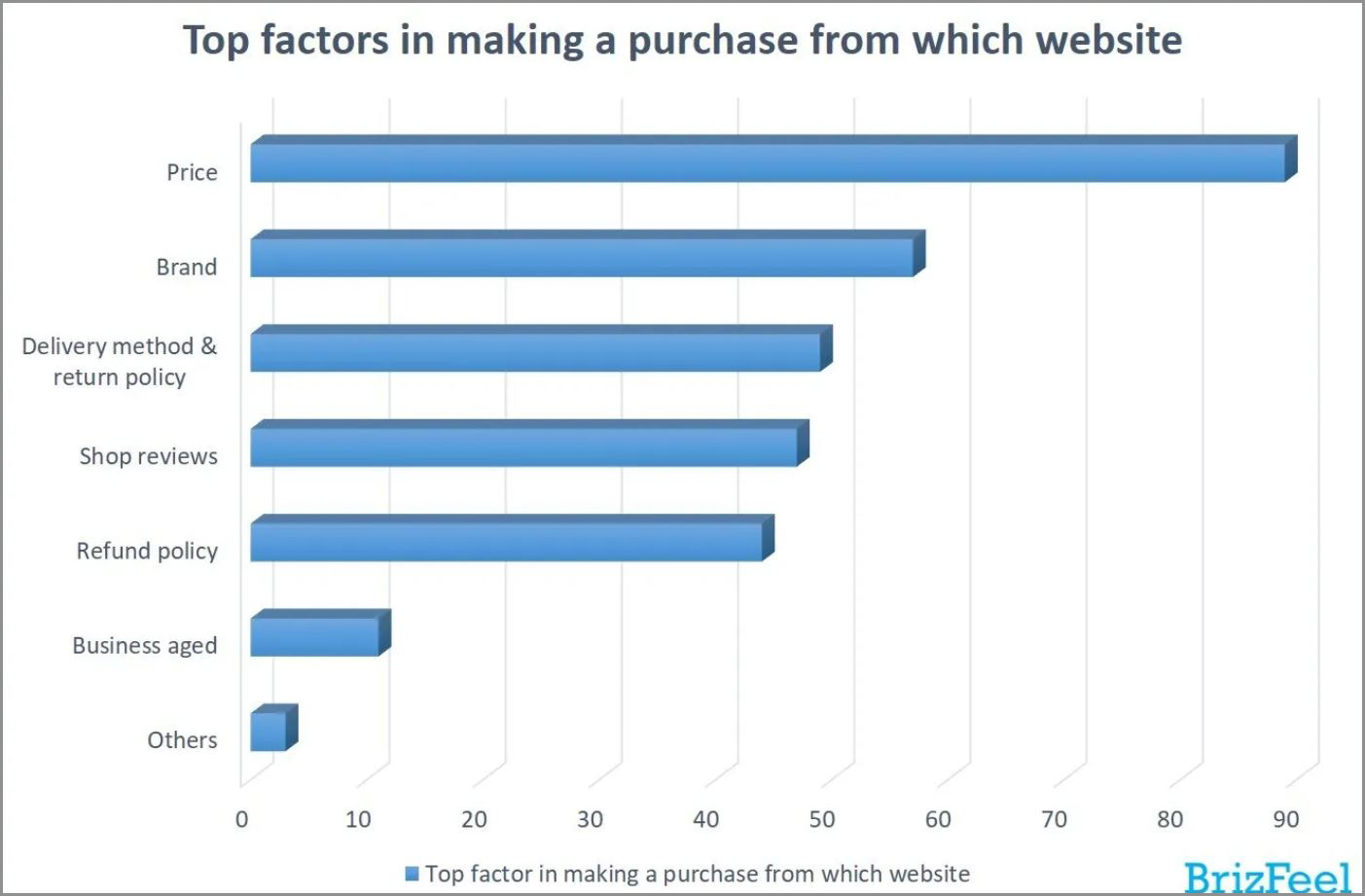 Brizfeel research showcasing various aspects that influence shoppers to purchase moreBy regularly having offers like “The End of Season Sale” for lifestyle brands, or a “Buy One Get One Free” offer for FMCG products and food items, the quantitative sales among regular shoppers see a sharp rise. Further, when these regular customers talk to their friends and family about the great discount they availed on the sale, it attracts new visitors to the site, and chances of getting new sales go up.