Categories
Ecommerce

B2B Ecommerce: How is it different from B2C

Everyone has heard and knows about Alibaba and Amazon. One is a Chinese ecommerce giant and the other is an American multinational entity. Both are known for their digital sales, but there is one thing that makes them very different.

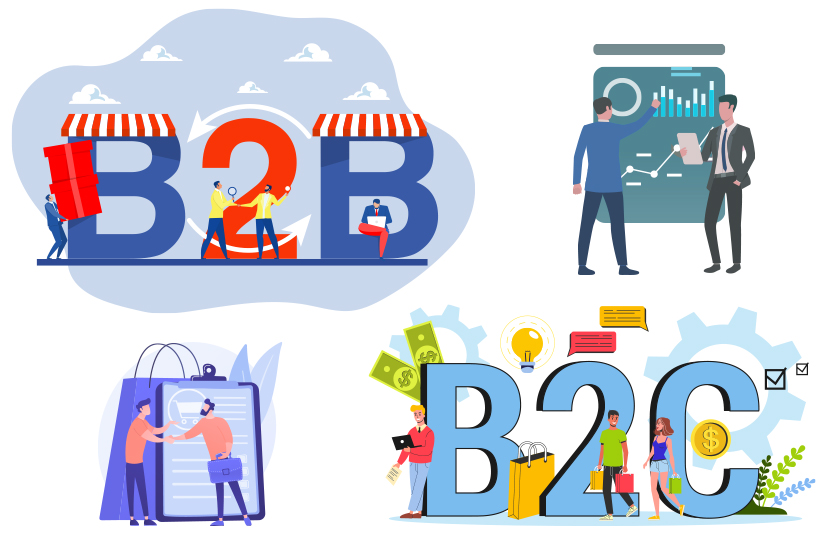
Alibaba is a primarily Business to Business (B2B) shopping platform whereas Amazon is a Business to Consumer (B2C) platform. They both sell, but to different audiences, with completely different business models in place. What separates the two? Let’s take a deep dive into what makes B2B ecommerce different from B2C or retail ecommerce.

The real difference between B2B and B2C

In a B2B business model, a business, that is a manufacturer or wholesaler, sells their products to another business, usually a retailer. While in a B2C business model, the same retailer then sells these goods to the end-consumers. And there are several differences here, right from the expectations of the customers, the margins on products, down to the quantity ordered and even the method of shipping these products.

Yes, this means their ecommerce websites need to be different too

As both business models serve different sets of target groups, their ecommerce websites are developed differently too. As the top ecommerce website development company in Ahmedabad having provided ecommerce website solutions to some of the biggest brands across the country, we’ve listed down the top 7 differentiators between B2B and B2C websites:

Curated homepage

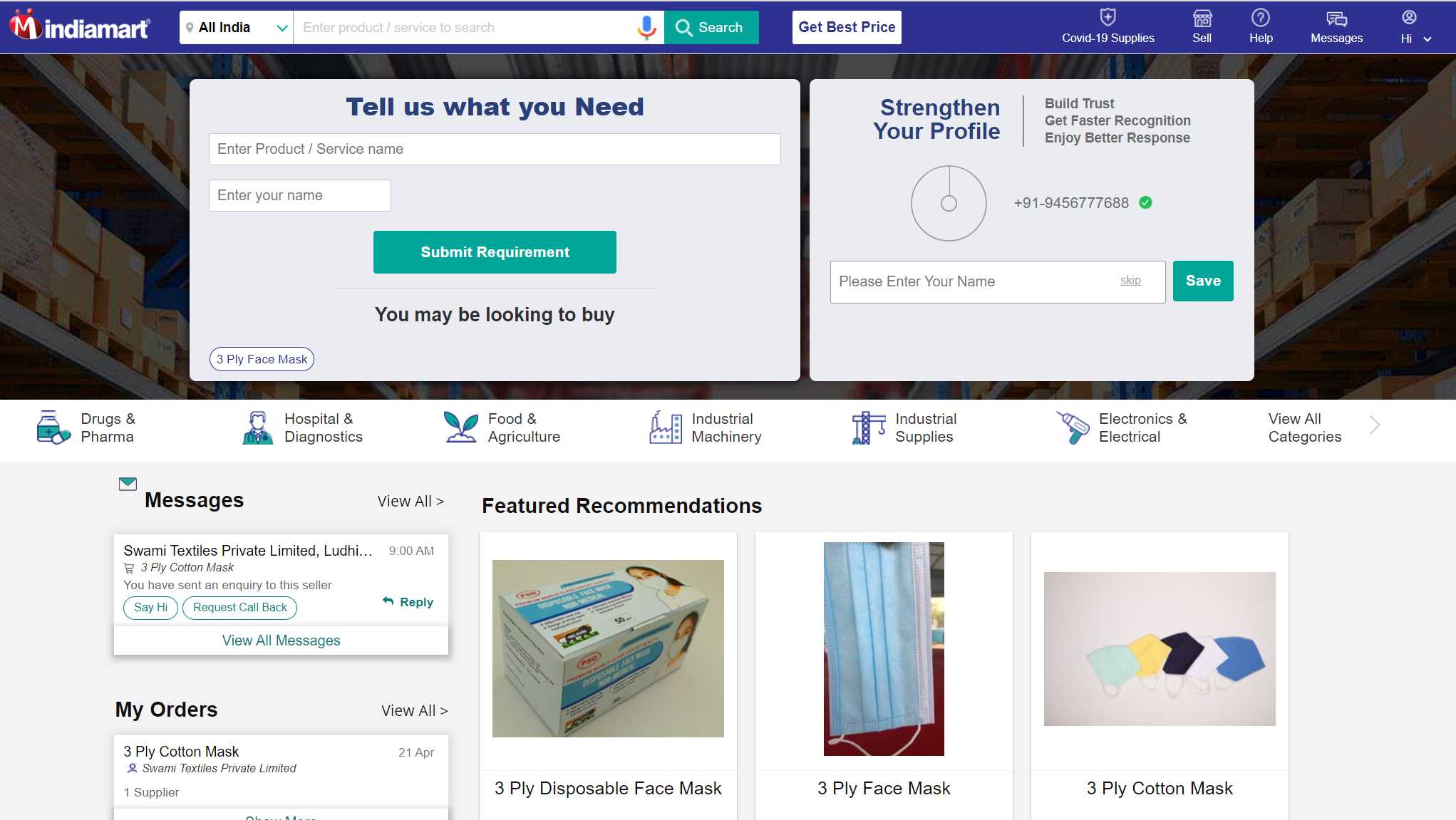
The homepage of a B2B website has a simple, clutter-free design with a focus on the products being sold, accompanied by highly informative product details, alongwith SKUs (Stock Keeping Unit) and reference images. These modules often have a quick order system for buyers who already know the product name or its SKU code.
Curated homepage

In comparison, the homepage of a B2C website has a lot going on. The design is usually intriguing and engaging, with multiple entry points for exploring the product range. The content is quirkier to create desire for the customer to explore the products some more. Often discounts and special offers are highlighted to push the website visitors to buy.

Tailored content and images

The content on B2B websites focuses on providing a lot of information about the product to the visitor, since the target groups here are typically business owners, purchase managers, stockists, etc. who evaluate and compare on the basis of detailed buying guides, demo videos, and in-depth articles. The idea is to give the buyer all the information they could want before placing a bulk order.
Tailored content and images

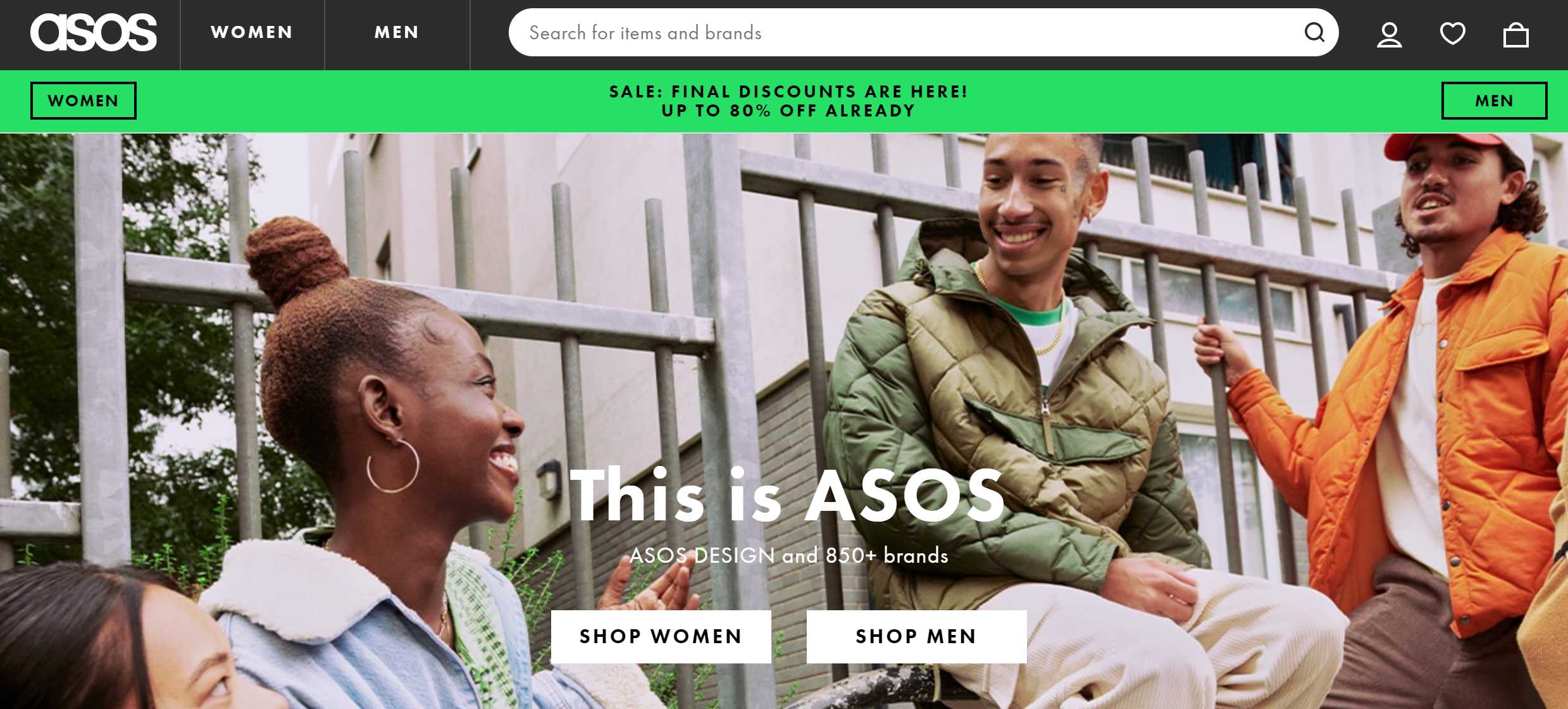
On B2C websites, the content is tailored to grab eyeballs of visitors with short, enticing and catchy headlines accompanied by multiple high resolution images of the product. Often the images for product images are highly styled and sometimes they will make use of models too, for increasing engagement and relatability. In addition, the content champions the discounts offered, favourable customer reviews and its striking features to convince the buyer to make a purchase decision pronto.

Customer support

Customer support is one of the most crucial aspects of selling online, whether it is to a business or to an end-user. For B2B, there is customer support required on multiple levels, right from the checkout process to after-sales concerns. B2B customer support involves live interactions through chats, human interactions via video calls for demos, answering FAQs of businesses, processing payments, logistics and even reorders.

When it comes to B2C, the customer support is available 24X7 and focused more towards post-sales complaints, returns and exchanges. B2C platforms deploy programmed chat-bots who are capable of answering simple queries and escalate the communication further only if the situation permits it. The idea here is to reduce the customer servicing costs, given the large number of orders B2C platforms process.

Minimum/Maximum Order & Shipping Quantity

B2B platforms usually have a minimum order quantity. This minimum threshold is a common practice for B2Bs, to ensure only serious purchases are done and the expenditure for processing and shipping these orders justifies the value of the transaction. Some platforms even have a quantity in multiples for various products that are sold in packages.

B2Cs have an exactly opposite policy, where it sets a threshold of maximum orders per person. This is done to ensure no malpractice is involved in exploiting the various offers and discounts offered by the sellers to increase for their retail customers.

Call-to-Action Prompts

The call-to-action or CTAs on a B2B platform have multiple channels of contact. There is usually a live chat feature, a messaging module, an official email address and a go-to helpline number of the seller. The placement of these CTA options are usually done in such a manner that they provide multiple touchpoints with both the aggregator platform and the seller.
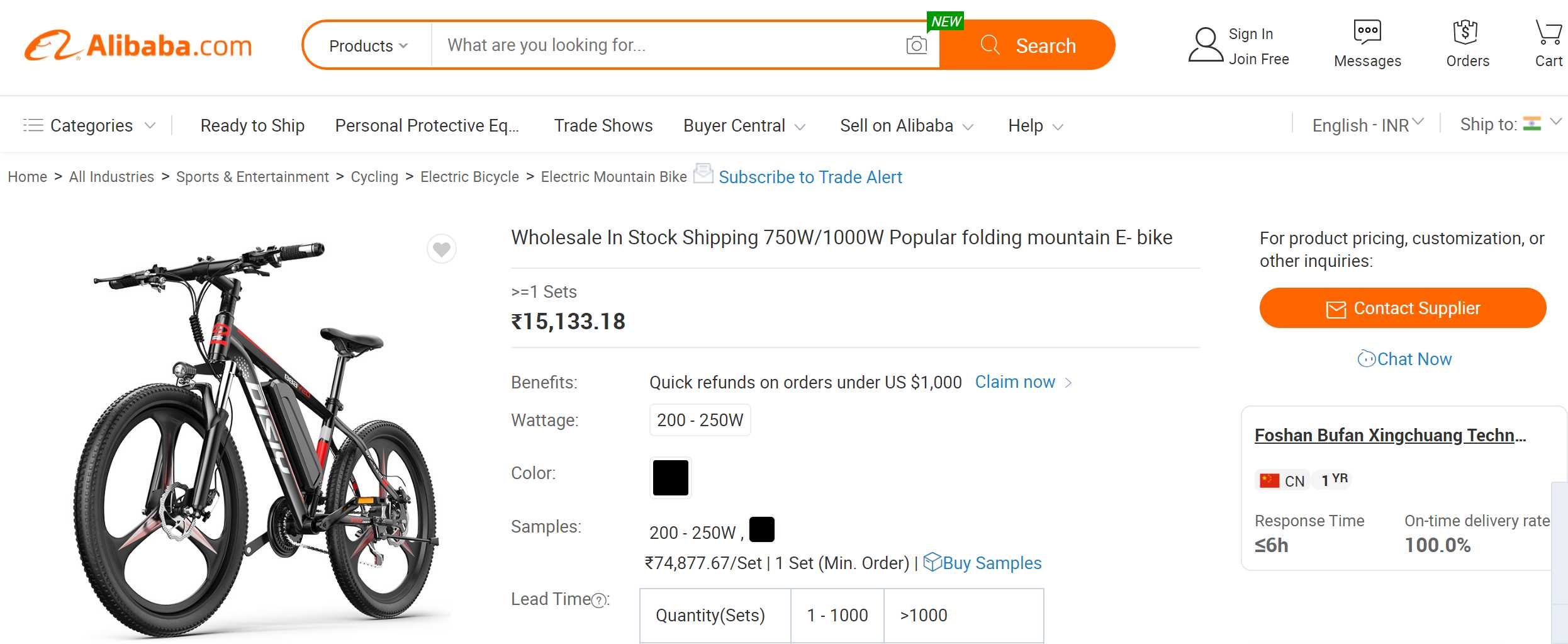
Call-to-Action Prompts

B2C CTAs are, on the contrary, more on the creative side, with more room to tug the target audience’s emotions, attempting to impress with wit and humour, while creating a sense of urgency too. On B2C platforms, the seller’s contact details aren’t revealed and all the communication passes through the customer service department of the platform or aggregator.

Different Pricing

The checkout process in B2B platforms is usually a combination of automated processes and human interactions. Since these platforms handle high-value transactions, they have negotiable price points to ensure a long-term buyer-seller relationship with their customers. The checkout process has options like Request a Quote, Contact Seller for negotiations, Request Demo, Payment Assistance for options like pay-on-credit, bank transactions, etc. and even Logistics Support.

Meanwhile, B2C checkouts have minimal touchpoints. Instead they have options to create Wishlists, Add To Cart products and continue shopping and modules to apply various discount coupons and referral codes in the checkout process. They provide as many multiple digital payment options as possible to not lose a customer, often providing a Cash on Delivery or COD option as well.

We hope this helped present a clearer picture for your ecommerce business and gave you enough conviction to dip your toes in this ecommerce ocean of possibilities. Still waiting? How about checking out the Ecommerce website solutions provided by Flora Fountain, the top Ecommerce website development company in Ahmedabad. All you have to do is drop us a hello on hello@flora.ffteam.in and get the ball rolling today.
Categories
Ecommerce

Upselling & Cross-selling to increase sales on your Ecommerce website

Indians spend close to 6 hours every day on the internet. And 50% of the overall online traffic is on online shopping websites looking for products and services. While this trend has gotten a lot of small businesses to start selling online too, many still lack the marketing strategy to capitalize on this trend. And to stand out amongst the multitudes selling online.

As a digital agency in Ahmedabad, focusing as an ecommerce website development company in Ahmedabad, Flora Fountain, always suggests its clients to start upselling and cross-selling online as a part of their digital sales strategy. In short, this means building features on ecommerce websites that encourage customers to add more products to their cart during or even post checkout. But, what is the difference between upselling and cross-selling? And how can they be used more effectively to increase the size of each transaction and retain customers? Read on…

Upselling and cross-selling are commonly confused, but there is a key difference. While upselling focuses on increasing order value, cross-selling involves making a recommendation adjacent to the original product. So an upsell is more of an upgrade, whereas a cross-sell is a whole other purchase.

Wait, wait… Let’s try it with a more relatable example. When a hungry customer orders a burger at a McDonald’s, the guy on the other side of the counter says, “Would you like some fries to go with it?”

That’s a cross-selling pitch. Now, if the counter guy had said, “You can make this a Big Mac for just X rupees/dollars”. That is an upselling pitch. With the world going digital (yes, we’re not going to stop saying it!), brands can implement the same sales strategy on their websites too… Here’s how!

Shop the look

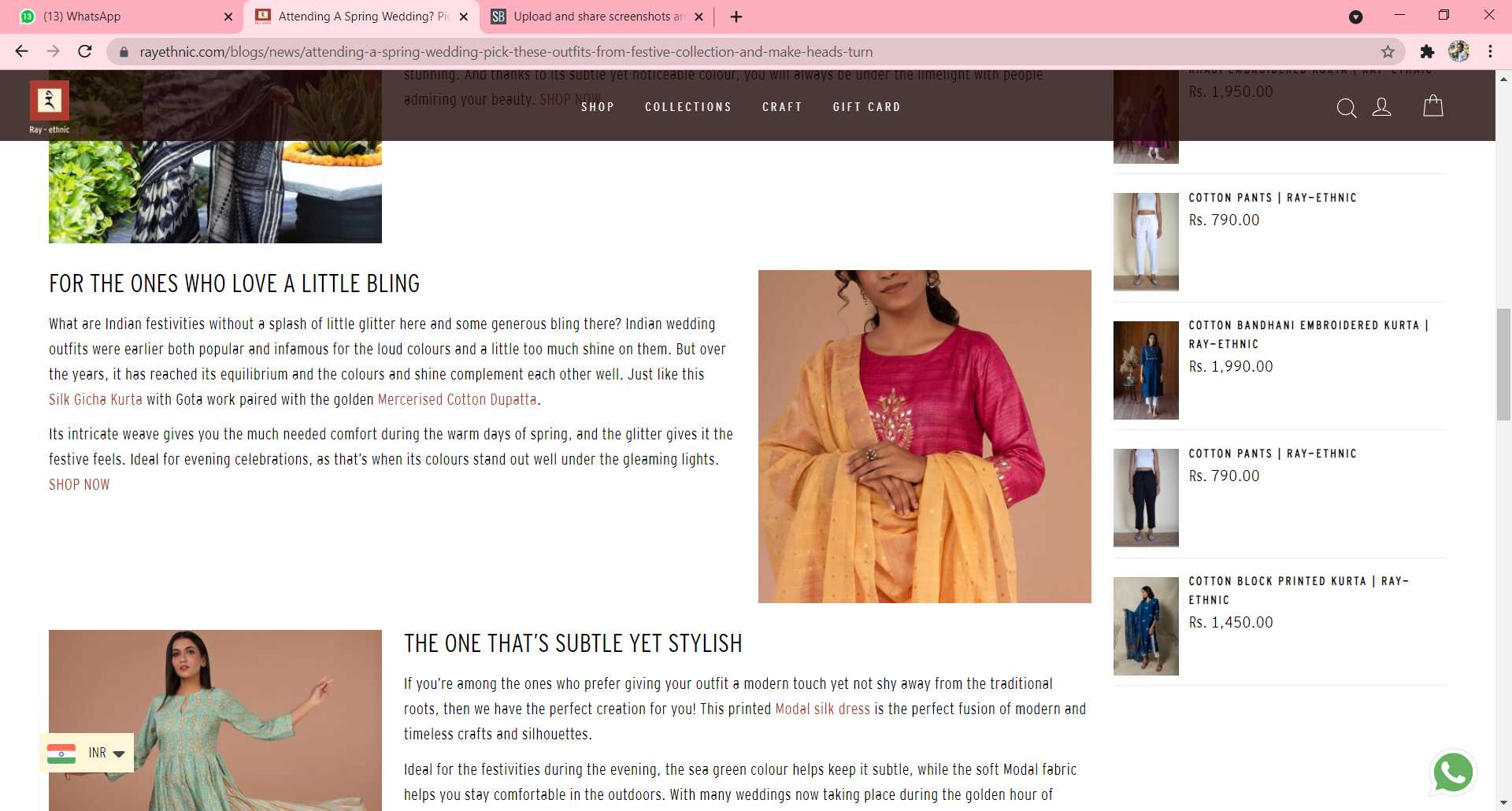
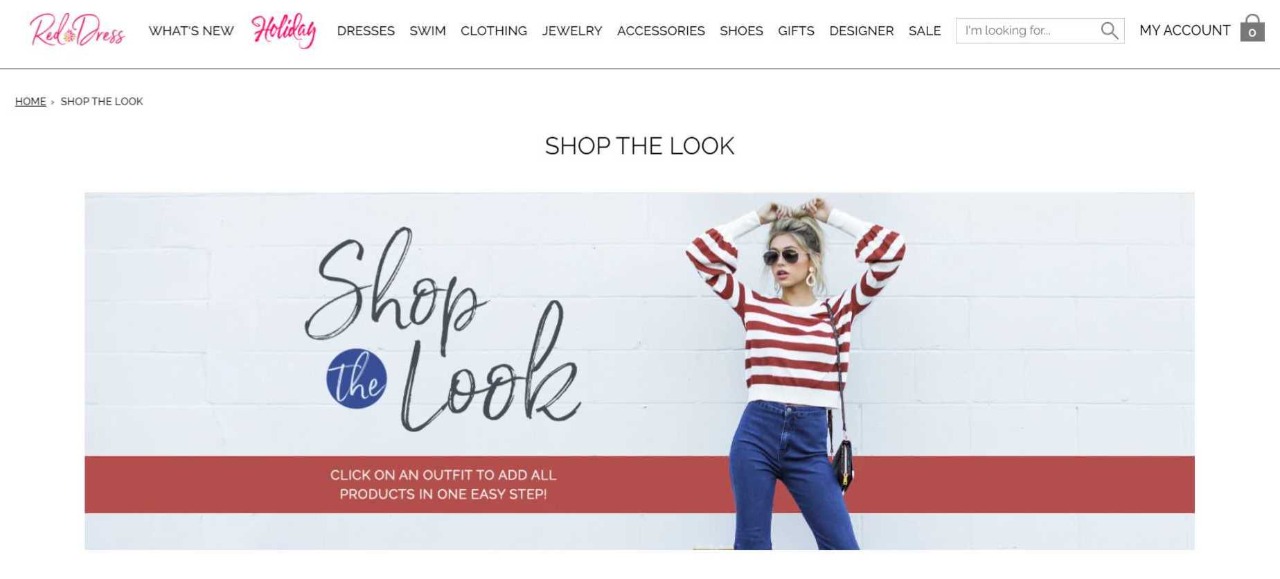
This technique works well for fashion and lifestyle brands. When a visitor selects a product, say a shirt or a kurta, then the display page will show a small module right below the description, where a high definition picture of a model wearing the said shirt/kurta, along with a jacket, trousers, shoes and sunglasses. Now, this technique should be used when all the products in question are available on the website.

reddress-landing-page

Brands like FabIndia, Ray Ethnic and major ecommerce players like Amazon and Myntra use this method of cross selling heavily to increase the cart value of the visitors on their page. Plus, the customers benefit from this, as they get their desired outfit ready to pick and delivered to them for a flat rate of shipping.

Use side-by-side comparisons

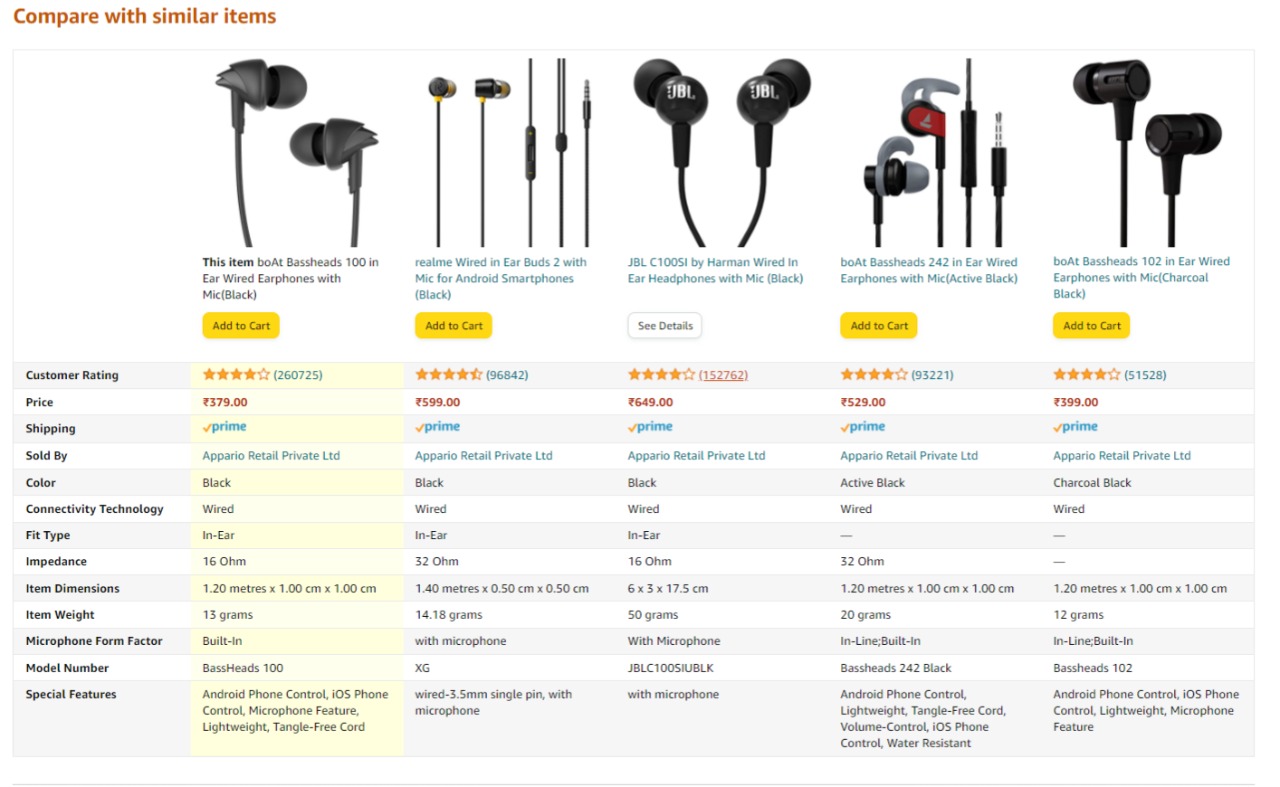
This is a great method of upselling, mostly used by brands that sell electronics and electrical products, where upgrades matter a lot. Let’s take an example of a mobile phone purchase here. When a customer selects a mobile phone model by Samsung, with specific features involving storage, processor speed, camera quality, etc, he/she is shown a module with a slider consisting of similar mobile phones from the same and different brands, but a slightly upgraded version with an increased price.

amazon-compare-list

Since the placement of these products are such that the viewer can immediately compare the look and feel, and the features of the phone with the price difference, there are high chances of him/her picking the upgraded model as they won’t mind shelling out a few extra bucks for a better model.

Frequently bought together

amazon-Q&A

The idea here is to sell supplementary products. Yes, it may sound like the earlier point, but this one applies to almost every type of product, from food, fashion, electronics and even services.

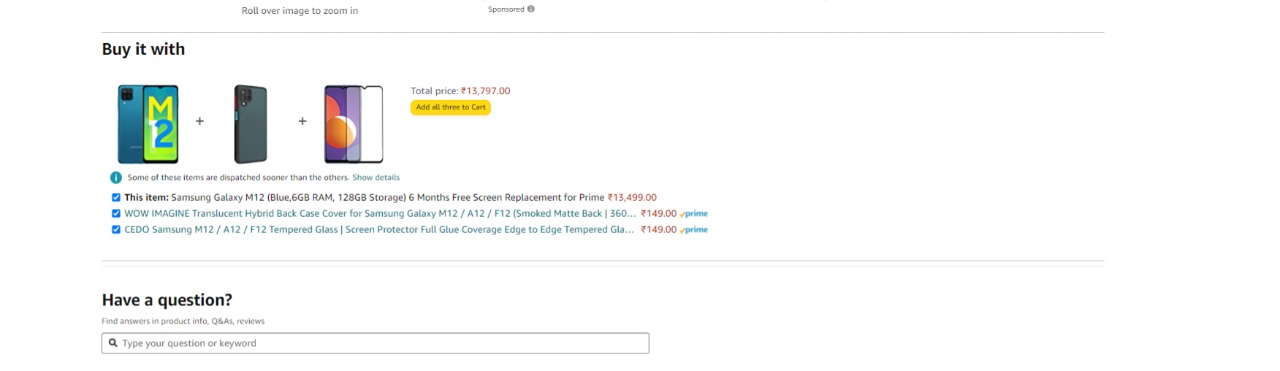
Amazon.in does this the best, even for the smallest product on their website, they will have a suggested product ready to be pitched on their product landing page. For instance, simply try adding peanut butter to the cart. Immediately, you will see the suggestions below, of multi-grain bread and even a butter knife with the title Frequently Bought Together.

Chances are, the customer would add the entire bundle to the cart just like they did for the Shop The Look.

Bundle discounts

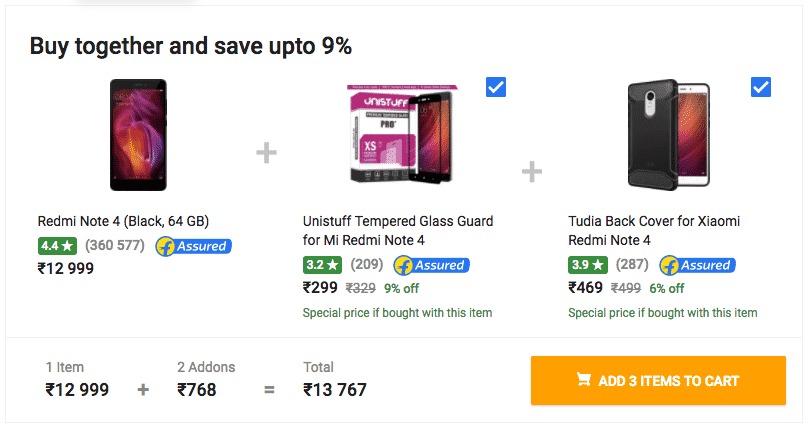
Let’s not deny the fact that everyone loves discounts! We’re pretty sure even the richest man in Asia looks for discounts on the peanut butter he orders. Bundle discounts work great when pitched together with the Frequently Bought Together or Shop The Look technique.

discounts on Products

Why does this technique work? Because when a customer buys Product A and Product B separately, he/she might have to pay full price and even separate shipping costs. But when they are offered the main product and the supplementary product for a small yet attractive discount, it forces them to take the deal, since they calculate the discount and the flat shipping rate as savings on the purchase, while the seller gets to increase his/her cart value.

Executing a successful upsell and cross-sell campaign will not only increase the average order value but also improve customer retention. Now that you know how to increase your online sales with such simple tricks, get started!

Or, how about you relax and watch the numbers grow, by hiring ecommerce website developers from the leading software development company, Flora Fountain! Drop us a hello here!

Categories
Ecommerce

How to turn blog traffic into sales on your ecommerce website

The first-ever blog on the internet is believed to have appeared in 1994, and as of 2020, the Growth Badger reported that there were over 600 million blogs globally. Over 60% of internet users engage with some of the other kinds of blogs daily and an average person spends up to 37 seconds reading a blog.

Yes, every figure mentioned here is true and shows how important it is to publish blogs regularly to draw traffic to a website. And when the website in question is an ecommerce platform, there are surefire ways to convert this blog traffic into sales. And 86% of companies produce blog content compared to other formats.

Flora Fountain, an ecommerce website development and design company in Ahmedabad, India has compiled a list of to-dos and tips on how to convert the website traffic from the blogs into leads and paying customers.

Plan the sales funnel

A sales funnel the path a visitor on the website takes, from reading the blog to eventually purchasing the product. If there is not sales funnel planned out for every blog being published on the website, then it is nothing but just some reading material for the website visitor.

Ideally, this is how a Sales Funnel Looks like:

Visitors – Blog Post – Call to Action – Landing Page – Thank You page or pop-up

Now, these visitors can be people who directly clicked and reached the blog, or got drawn to it through other means like social media. From these blog posts, the visitors are prompted to engage with the website through strategically placed Call to Action (CTA) links and buttons. These CTAs can be either a data collection module or a link that leads to a product page. Once the customer makes the purchase or provides his/her data, they are greeted with a Thank You page or a pop-up. This link of sales funnel helps the blogs to be utilised to its full potential.

Create valuable content that the customers want

One of the best ways to convert visitors into a regular readers and eventually, paying customers of the business, is by providing them with content that addresses their pain-points, solves their problems and gives something worth the 5 minutes spent reading the blog.

Ahmedabad-based ethnic fashion brand Ray Ethnic writes blogs which provide their readers with tips and styling tricks for various seasons and occasions, and smartly plugs their products within their content.

This way, the chances of their regular blog readers clicking on the call to action links smartly embedded in the images and on the names of their outfits are increased. These links lead to their product pages with an option to buy online. Check out their blogs here.

Ensure that the blog is readable and accessible on all types of devices

According to a Statista report, in the year 2020, close to 4.28 billion people were accessing the internet using their mobile phones. And it will take hardly 2 seconds for any of this user to abandon a website or a link if it doesn’t open properly on their handheld devices.

Hence, it is necessary to have a responsive ecommerce website in the first place, one which opens seamlessly and runs smoothly on all kinds of mobile devices and browsers too. Secondly, the blogs shouldn’t be too long, otherwise the reader will abandon the blog halfway and leave the sales funnel.

Ideally, a blog should be of minimum 800 words. Because it contains enough word-space plus at least 5 products in it, it takes hardly 3 minutes to read a blog of this size, and that it can be optimized for SEO with the right keywords too.

Make them an offer they can’t refuse

Nobody parts ways with their data without getting something in return. Offering the website visitor something valuable in return for his/her contact information like their email address or contact number is an ideal way to capture leads.

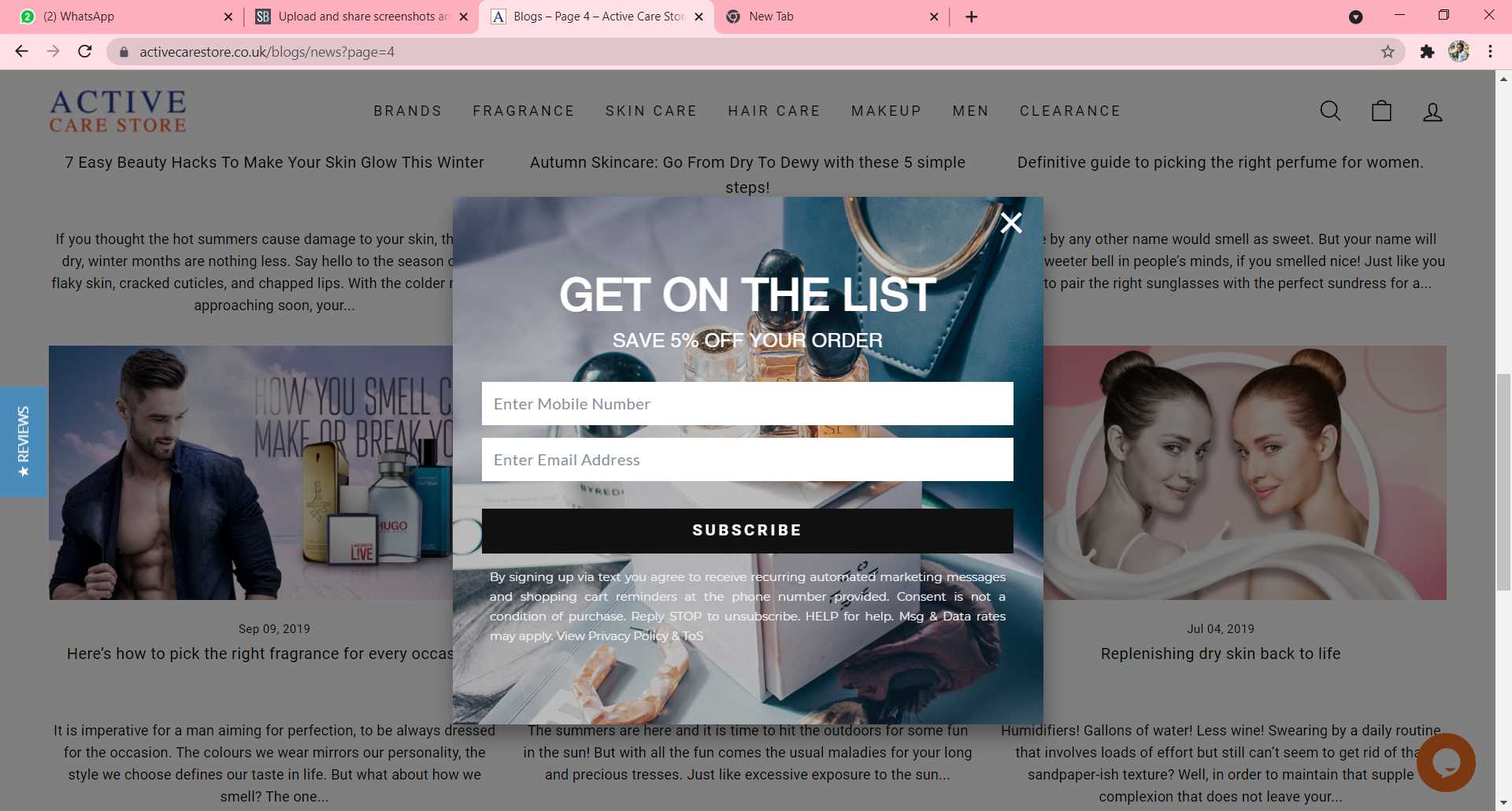
Activecare, a UK-based beauty and lifestyle products website offers a flat 5% off on orders to visitors who subscribe for their mailing list. They do this with an attractive popup that becomes visible within 10 seconds of scrolling through their website blogs.

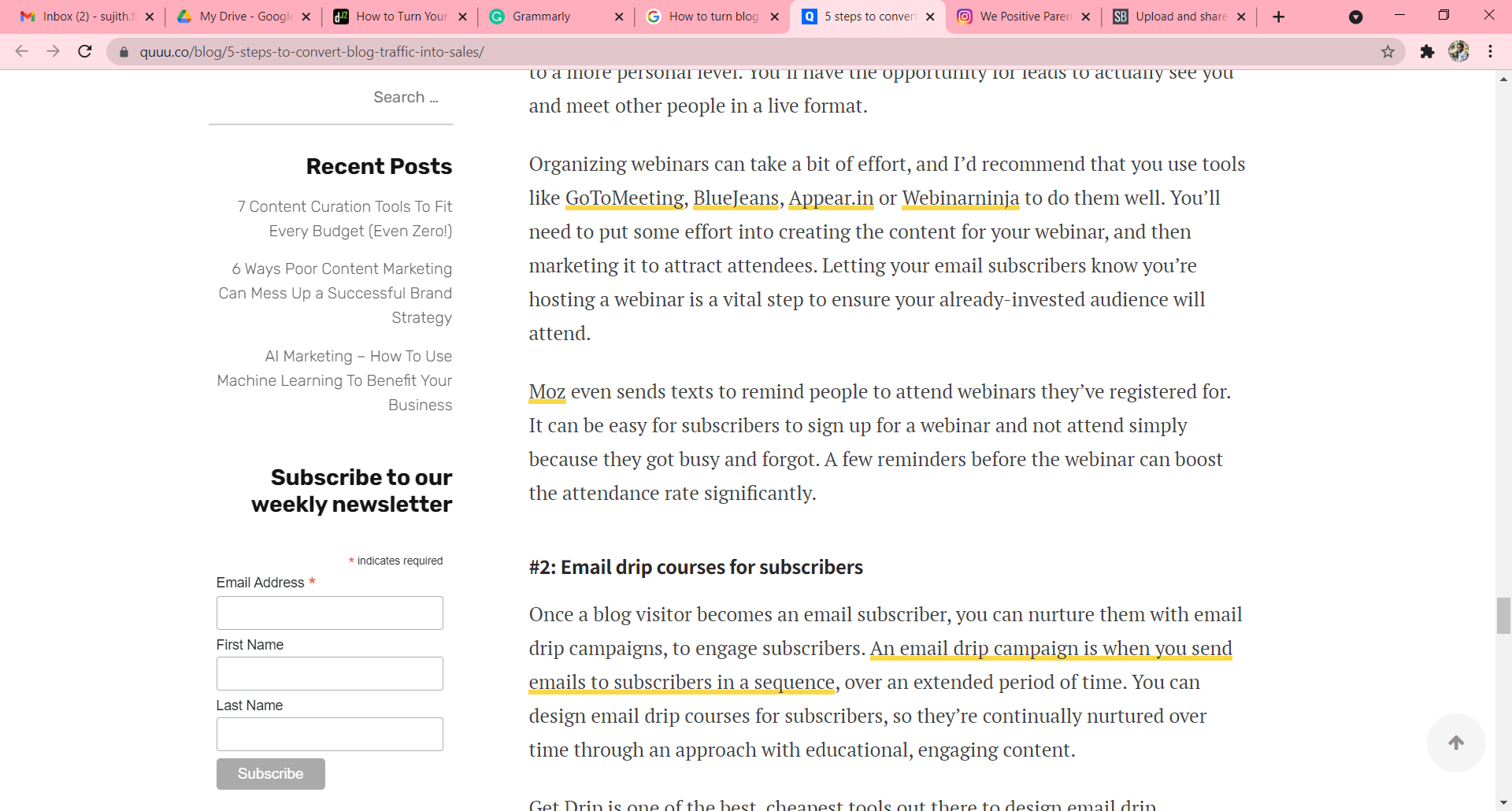
Another way to prompt the readers to provide their information, is by having a static subscription column on the right or left side of the blog. It stays right there, in the visibility of the reader as he/she scrolls along.

Make the most out of the leads

Here’s an interesting fact, 78% of marketers have seen an increase in email engagement over the last 12 months. Which means the chances of people opening and engaging with a well written and mobile-optimized email is higher than them clicking on a social media ad.

When readers provide their contact information to the business, they may not be interested in purchasing something immediately but do wish to come back when they see the right opportunity or deal.

Keep them updated through regular newsletters and messages, informing them about the newest offers, discounts, product launches, or services. This is called a drip campaign, where a business keeps their current and prospective customers engaged for a long period of time. Upon finding the right deal or product, the customers will reach out and eventually make the purchase.

Still wondering how to execute this process? Let the experts do the job. Various local, national and international brands have improved their business online with the ecommerce website design services and content writing services for business blogs from Flora Fountain. Reach out to us, and let us guide you towards the path of success on digital.

Categories
Ecommerce

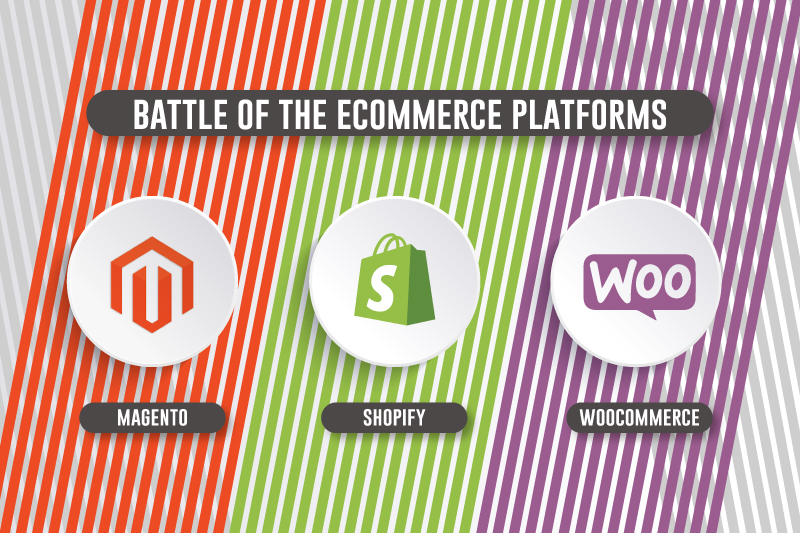
Shopify, WooCommerce or Magento: Which is the right ecommerce platform for your online store?

Looks like you’ve decided to go digital and sell online! Congratulations! It’s a big step.

But a lot of things right at the start might confuse you. For starters, which ecommerce platform should you start your online journey with? This year everyone seems to be raving about Shopify, last year it was WooCommerce and then someone told you about Magento too. The more you speak with ecommerce website development or digital agencies, the more options there seem to be and the more confusing it gets.
So here’s a definitive guide to understand the pros and cons of using each of these 3 major ecommerce platforms, depending on what, how much and who you are selling to…

So, what is Shopify?

While it might seem new, Shopify has been around as an ecommerce platform since 2007. Despite being a paid only solution, it is the second most popular ecommerce platform with about 20% of the market share. A major reason behind this is that it is a software-sold-as-a-service, which means you don’t have to be a coder to set up a Shopify store.

And Magento?

Magento is the big daddy of customizable e-commerce platforms. It has two services, a free Open Source and a paid Magento Commerce, which like Shopify comes with hosting services. With about 500,000 users, Magento has 10% of the online market, including bigger brands that are into serious online retail of clothes, jewellery and even cars.

And finally we come to WooCommerce?

With 29% of the market share, WooCommerce is the most widely used e-commerce platform. It is actually a plugin for WordPress that extends the functionality of this very popular CMS into an online store.
Still wondering which platform to pick? Read on…

Ease of use

This one is especially important for small business owners, as they end up initially doing a lot of the work on their own.

Ease of use

Of the three, Shopify is the easiest to set up and use. It comes with a managed hosting solution, well-designed themes both free and paid, PCI compliance for payments, and a host of shipping solutions already built by logistics companies – all of which can be integrated without coding knowledge. This means all you have to do is buy a domain, connect it with your Shopify account, select a theme, upload products and get ready to sell online.

This one is especially important for small business owners, as they end up initially doing a lot of the work on their own.

WooCommerce on the other hand requires the user to have their own hosting solution, which needs to be purchased before getting started. So you have to buy your own domain, hosting solution, install WordPress and WooCommerce, before you can start customizing themes or entering products. This makes it not quite as easy as Shopify, however, it does give you more choice in selecting your own server. Because of a vibrant community, WordPress also has a wider selection of free and paid themes available online.

Magento is the platform of developers. While it has its own hosting solution, you can also use the Open Source version and connect it with a server of your choice. Getting Magento set up and customizing it requires developers who have knowledge of PHP and HTML.

Customizability

Customizability is almost inversely proportional to ease of use in this case. With Shopify being the most closed platform and offering the least customization. One can customize CSS for the look and feel of the website and use existing app or create new Shopify apps for certain limited customization. Several workflows like the cart page can not be customized at all in the starting plans.

Customizability

Magento, on the other hand, allows for the most customization from the product page to the payment workflow to the user profiles. For some common functionalities, Magento addons are also available in the marketplace. This is the reason most bigger brands that take online retail seriously, choose Magento.

WooCommerce is also fairly customizable, since it sits on the open-source platform of WordPress that is supported by a thriving community. Most of the features you might want to add are already out there as free or paid extensions to the plugin, created either by WooCommerce creators or the WooCommerce community.

Scalability

Scalability

Magento and Shopify are slightly better suited for large databases of products since they are e-commerce first platforms. With Shopify, while adding products does not impact performance, scaling up does become more expensive as your store grows with more users and transactions.

Scalability of products with WooCommerce is possible, however, since it was created as a content platform, adding too many customizations or products without thoughtful technical architecture can impact performance and slow the website down. As a result, you have to hire WordPress developers who are familiar with optimizing the platform as you scale up.

Security

Shopify’s hosting comes with an SSL certificate and PCI compliance making it watertight and secure. With WordPress and Open Source Magento, you have to purchase your own SSL certificate and keep updating any security patches or extensions that the two platforms release from time to time. This is a fairly common practice for most open source software, so it is not a major concern, however, it does require developer help.

Security

SEO Friendliness

SEO Friendliness

Shopify comes with basic SEO support with the ability to add meta tags, image alt text, generate 301 redirects, automatic XML sitemaps and a blogging feature. However, customizing any of this in the basic plan is not possible.

WooCommerce comes with all the above plus the ability to integrate with mature SEO plugins like Yoast for that extra boost to your store’s SEO, by adding keywords per page, real time suggestions for keywords and more!

Magento being the completely customizable platform that it is allows you to define your own SEO strategy and customize the backend to support all of the above features in Yoast and then some, like canonical tags, Google sitemaps, no follow links and literally anything your SEO expert desires.

Support

Being a paid platform, Shopify has quite an attentive and prompt 24×7 support desk available over email for all plans. It also has a pretty comprehensive documentation and, being the second most-popular platform, a thriving community of developers.

WooCommerce has possibly the biggest community of developers helping each other and clients out. One of the benefits of such a community for smaller businesses is that you can hire a WooCommerce developer for parts of the project or some specific functionality quite easily from these forums.

Support

Moreover, pretty much anything you imagine in WooCommerce has probably already been done and put out as a plugin by someone in the community!

Magento is a mixed bag. While Magento Open Source has a community like WooCommerce, Magento Commerce provides prompt support for its paid users, similar to Shopify.

Pricing
Pricing

Shopify provides three different plans ranging from $29 to $299, which includes hosting services. If you are going for a paid theme, this can cost anything up to $180. And finally, there is a transaction fee anywhere from 0.5-2% depending on your Shopify plan. This makes it ideal for a beginner user, but a little more expensive as you scale up and increase your transactions.

WooCommerce and WordPress are essentially free of cost, however, you end up paying for your own server and SSL certificate. Any plugins required for additional functionality should also be factored in.

Magento Open Source is similar to WooCommerce in being open source and requiring server and SSL. Magento Commerce however is for serious online players since its licensing fee starts at $22,000.

The Final Word

To conclude, if you are just starting out online with a limited monthly budget and a whole lot of DIY spirit Shopify is perhaps your best bet. You can play around with themes, make minor changes to the look and feel, add a payment gateway, integrate with a shipping provider, add products and get started within a few weeks, even days.

However, if you plan to build a slightly more customized website and have the financial bandwidth to hire 1 or 2 developers, WordPress with WooCommerce, can work better for you.

For bigger organizations with a long-term online vision, thousands upon thousands of customized products and a free hand with budgets, Magento is the most future proof and customizable solution.

Need more guidance getting started with setting up your own e-commerce store? Get in touch with Flora Fountain, we are good listeners and even better problem-solvers for all your digital marketing and e-commerce needs. Call now, for a free consultation for your online business.

Categories
Digital Marketing Agency

Digital Agency vs Creative Agency: What’s the difference?

So, you run a business and it’s time you took the marketing up a notch. You know you need a professional agency, BUT, you are not sure which kind of agency you need. A digital agency? A creative agency? Or wait…do you need an advertising agency?

Now, you might think they are all the same fantastic beast with different names. Or you might they are different Pokémons with their own superpowers? (proud millennial here).

Traditionally, businesses have relied on advertising agencies to promote and market their brand. An advertising agency typically designs and writes copy for advertisements run in print such as newspapers, hoardings & magazines, design collaterals for events, conceptualize & create television commercials, create radio jingles….you get the idea.

But times have changed, the platforms for promoting your business are no longer restricted to print and television. Digital is now a more pervasive and cost-effective medium, to market and advertise businesses to customers right where they are : On Their Phone! As you consider digitally marketing your business, it’s time to understand the differences between a digital and creative agency, and how they fit under the umbrella of an advertising agency.

What is a CREATIVE AGENCY?

online shopping experience

A creative agency’s role is to make your brand stand out. This can be done through weaving captivating stories created through stunning visuals and words, creating concepts that inject life into your business offerings and creating a very unique brand voice for your business.

The output of this can be a single unique graphic design, an animated video, a memorable website, a social media campaign, newsletters, packaging.

This usually requires the creative brains of a visualizer or graphic designer, video animator, illustrator, content writer, all of who work together for your business to stand out through creative storytelling across any medium – offline or digital.

So if you want to create mind-blowing brand campaigns, whether audio, video or pictorial and someone to craft your brand’s personality in a memorable way, then a creative agency is the way to go. In India, Flora Fountain consistently ranks as one of the best creative agencies in Ahmedabad for lifestyle, fashion, food, travel, education, medical & media brands.

Still confused? Here’s what to expect from a creative agency

  • Designing logos
  • Designing brand experiences through brand stationary, packaging and other offline collaterals
  • Designing websites, mobile apps, social media campaigns to tell the brand story
  • Creating concepts and moodboards for shoots and campaigns
  • Copywriting for all digital and offline activities such as blogs, articles, websites, social media, ad copies, audio and video scripts
  • Creating infographics to break down heavy data and figures in easy to consume form
  • Creating email newsletter designs with a mix of visuals, content, and data
  • Audio Visual content for digital and television advertisements and promotions.

And when you look for the best creative agency in Ahmedabad, you will see Flora Fountain rank on top of the charts.

What is a DIGITAL AGENCY?

online shopping experience

One the creativity is put on paper or in bytes, a digital agency’s work come into the picture. Digital agencies work on creating a strategy to market a business and then executing this on various digital platforms like websites, social media, search engines, mobile applications and more.

Digital agencies help businesses amplify their brand on digital platforms. This, is usually done through digital marketing practices like search engine optimization, social media marketing, paid promotions on Google, Facebook, Instagram, Youtube and other such mass platforms, developing websites and e-commerce management for the brand.

The services offered by digital agencies include

  • Search Engine Optimization or SEO
  • Pay Per Click or PPC advertisements on search engines and social media
  • Email Marketing
  • Social Media Marketing and Management
  • Influencer Marketing
  • Affiliate Marketing
  • Collaborations with other digital entities and influencers
  • Web design & development

Apart from executing these services, strategy is one of the core services offered by digital agencies to businesses, where the agency collects data and analyzes the brand, their competition, their users’ needs, desires, expectations and engagement with the brand across all digital platforms. This kind of data-drive research helps digital agencies create and target a brand’s ideal audience with curated content, both organically and via paid ads. This creating more data to analyze and use as feedback for the next round of strategic digital campaigns.

Research + Strategy + Execution lies at the core of Flora Fountain’s DNA and is what makes us a top digital agency in Ahmedabad with clients worldwide.

Now you might think there are overlaps between the digital and the creative…

And there are.

2020 taught businesses worldwide, the importance of having an active digital presence. How it can help businesses serve existing customers better but also find new customers and avenues of doing business.

More business going digital has added to the digital chatter, making it harder to get noticed. This had made creative storytelling and using research & strategy to create digital campaigns even more important. It has also meant that what companies need now is not just a creative agency or a digital agency but a full service digital agency.

And Flora Fountain is one such full service digital agency that works with creativity. We have team of dedicated experts catering to both creative and strategic needs of businesses online, to provide an end-to-end digital marketing solution for businesses in Ahmedabad, India and worldwide.

We as a digital marketing agency in Ahmedabad design and develop websites and ecommerce solutions on WordPress, Magento, Shopify, custom websites in PHP, manage social media profiles, plan and execute their business promotion strategies on professional platforms like LinkedIn, Twitter and Google Business.

But, there’s more! Our teams also consist of creative brains, who can create designs and visuals that improves the recall value of the brand by many levels. This harmony between creativity, strategy and technology is what makes businesses stay on top of their competition. When the creative and digital tango, businesses become more profitable and more accountable to their customers.

We hope this has made the difference between a pure creative agency and a pure digital agency a little clearer. And helped decide how you want to market your business digitally. In which case, why are you still reading this. Drop us a message on hello@flora.ffteam.in for a free consultation.

Categories
Ecommerce

Why your e-commerce website needs smashing pictures

A picture is worth over a thousand words

Every time you’re online looking to purchase something, what is the first thing that catches your eye and convinces you to click on it. The PICTURE, right?

It is only after you’ve seen the picture and your mind is convinced in the first few seconds that this seems to be a good product, is when you then move on to read a little bit about it, maybe on the title, the description, and then the reviews.

You see how important images are in e-commerce? If it doesn’t appeal to the eye, people online are going to scroll through and find something else that does.

But, why does this happen, especially with e-commerce and online shopping?

People prefer seeing things over reading about it

We are living in the smart age. Everything from your toothbrush to your television is connected to the internet and your smartphone. We no longer type things to send a message to someone or look up something online. We snap it using our cameras and do the needful (Thank you Google Lens).

Look at all the marketing and advertising studies and surveys done over the years, the visual element has always come out as the winner over text. Yes, people do love a smart pun here, a hidden joke there. But that beautiful dress won’t sell through words, people wish to see the design, the fabric, the idea of how it may look on an actual person wearing it. Only then they’ll take a look at the price and think about placing an order for it.

online shopping experience

But that beautiful dress won’t sell through words, people wish to see the design, the fabric, the idea of how it may look on an actual person wearing it. Only then they’ll take a look at the price and think about placing an order for it.

Here’s a fun fact: Of all the returns that are done after online shopping, over 20% of them happen because the actual product didn’t resemble what the buyer saw online on the website.

So, it is important that you put up real pictures of your products, shot by professionals, from multiple angles with a clean background and ample lighting.

Images contribute to your site’s SEO

YES, you read that right. Images contribute greatly to the SEO of your e-commerce website. With more and more people moving towards image search using Google Snap or photo search apps, the search engine AI identifies and matches the image’s visual elements with the pictures you put up on your website. And when they match correctly, your product shows up as one of the search results. And this is not anyone but the SEO experts of Flora Fountain, the best seo company in Ahmedabad advice it to all.

Additionally, naming your product correctly by its name instead of generic terms like “image1.jpg” helps the search engine to match with the searches and pull up your product online. Your images must also have Alt Text, which describes the product, e.g. Blue Cotton Summer Dress with Floral Patterns. All the ideal keywords got used to describe your product image and it makes absolute sense too.

Enhances the online shopping experience

People prefer seeing things over reading

If your brand doesn’t stand out and appeal to the visitor on your page, you will be losing out on a sale. And well-shot pictures of your products add a sense of originality and make it more trustworthy, since people are missing the tactile experience of examining the product using their hands and are solely relying on the visual experience on their screens.

So, it is ideal that one must invest in good photography of not just your products, but in creating an entire visual experience. Hire specialists who can help you build an entire concept around your product connecting with your brand and guides you in picking the right photographers to create a story through pictures.

It’s not an expense but an investment

The e-commerce space has become intensely competitive in the past decade with more players coming in and selling their wares online. And this trend saw a sharp rise when countries went into a lockdown due to the pandemic in 2020 and people were forced to get everything they need online.

So you need to move up and not rely solely on your brick and mortar store. You can either get an e-commerce website for your brand or business made or sell on third-party platforms like Amazon, eBay, etc. But no matter where you sell online, your pictures are going to play the lead role in attracting customers to your website.

Good, original pictures mean more people online click and engage with your product link. And when search engines and online shopping platforms notice this trend, they automatically rank your product higher. So it may seem like an additional expenditure now, but the ROI on good photography for your e-commerce platform will be multifold.

And if you’re still clueless about how to get started on photography for your e-commerce platform, drop us a line and we at Flora Fountain, Ahmedabad’s best e-commerce website development company, would love to chat about creating a concept for you and guiding you with the photo & video shoots in Ahmedabad.