Categories
Content Writing

Content Marketing vs Content Writing: It’s different!

EVERYTHING is CONTENT!

The 50 billion pictures on Instagram, the 500 hours of videos uploaded on YouTube every minute and the 7.5 million blog posts published on the internet. But many still believe content is just writing, thereby mixing up the ideas of Content Marketing and Content Writing.

As a content marketing agency in Ahmedabad, Flora Fountain has had days where their writers and digital marketers had to explain the difference between the two ideas to almost every person (even clients) that they meet.

Frustrated writing writers

So, here’s all the tea, to understand what exactly is content, and the difference between content writing and content marketing.

CONTENT
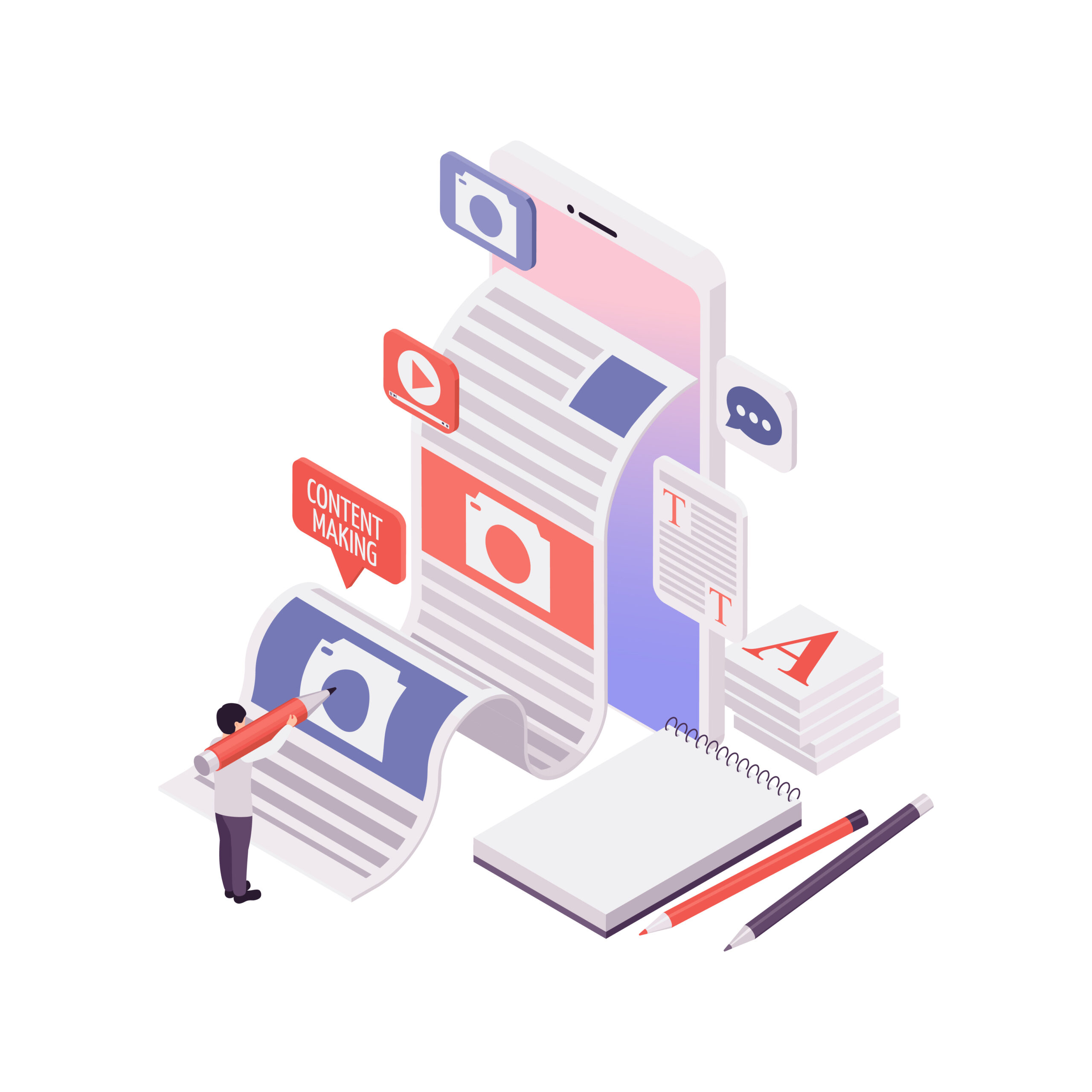
Content making blog

Content is information, art, ideas and experiences, expressed in the form of words, pictures, speech, graphics or moving visuals published either digitally or on print, for an end user to consume.

Okay, okay… Let’s try putting it in simpler words, shall we?

All kinds of photographs, blogs, articles, captions, ad copies, videos, reels, music, podcasts, graphic design or animated visuals are content.

And the internet is an ever flowing stream of content, good, bad and ugly!

CONTENT WRITING

Content writing is all about putting ideas into words, creatively and in a simpler form. Writing content can be something like an advertisement copy of just 5 words, or a thesis of 5000 words. And in digital marketing, some of the best content writing companies produce written content in the form of captions for social media posts, marketing copies for online promotions, content for websites, blogs like this, articles for newspapers and magazines, copies for print ads in magazines or hoardings, or even scripts for videos.

Content writers include bloggers, brand journalists, copywriters, ghost-writers, SEO writers, technical writers, etc.

CONTENT MARKETING

Content marketing is basically marketing to strategically promote a brand or business on a digital platform, using smartly created content like blogs, pictures, creative posters and videos.

IT IS NOT JUST WRITTEN COPY! But yes, written content does play a crucial role in content marketing, as every great marketing idea first comes to life in the form of a copy.

Content marketing is done through blogs, case studies, emailers, social media posts, video, website content, articles, ad copies, infographics and a lot more.

To sum up, Content Writing involves creating various types of written products, which can then be used to produce other forms of content and further implemented into Content Marketing to promote a business or a brand.

So, how does one write content that is ideal for marketing?

1. Put the audience first

The content should address the target audience. It should talk to them about their problems and perhaps possible solutions. If the content cares about its intended audience, it will make the audience care about the messaging too. Readers connect with content that understands them, their needs and provides them some kind of value, either as information, education or entertainment.

2. Tailor the content

A business can never sell its products if the marketing content doesn’t speak the language of their target audience. A local brand can use the local language and sometimes even street slang (where applicable) in addressing their customers, a B2B brand must sound more formal.

3. Links to the brand

The content should create recall for the brand, its services, products or team, in an organic and authentic way. This is to be done to create a form of brand association with certain subjects in the readers’ minds. The end goal is to leave a positive and memorable imprint about the brand on the reader.

4. Draws the reader towards the business

It is important that the content must have more than one call to action prompt, to ensure that the reader is drawn towards the end of the sales funnel and eventually convince them to either purchase the product or provide some information as a valuable lead for the business.

Inform, Educate & Inspire through content, with us

If a brand wants to stand out on the Internet today, there is no space for mediocrity. This is the age of short attention spans and high speed internet. Only crisp, clear and SEO-friendly content that speaks both to a user and to a search engine can propel a business into the visibility of the constantly-scrolling audience on the world wide web.

It is advisable to seek the help of content experts, who have cut their teeth in the market working with the finest brand and have written content for audiences of all kinds.

As a top digital marketing agency, Flora Fountain provides content marketing & writing services in Ahmedabad and all over the country to brands and businesses of all types. Drop us a line, give us a call, and let’s have a chat over a cup of coffee and some mind-blowing ideas for your business.

Categories
Ecommerce

How to turn blog traffic into sales on your ecommerce website

The first-ever blog on the internet is believed to have appeared in 1994, and as of 2020, the Growth Badger reported that there were over 600 million blogs globally. Over 60% of internet users engage with some of the other kinds of blogs daily and an average person spends up to 37 seconds reading a blog.

Yes, every figure mentioned here is true and shows how important it is to publish blogs regularly to draw traffic to a website. And when the website in question is an ecommerce platform, there are surefire ways to convert this blog traffic into sales. And 86% of companies produce blog content compared to other formats.

Flora Fountain, an ecommerce website development and design company in Ahmedabad, India has compiled a list of to-dos and tips on how to convert the website traffic from the blogs into leads and paying customers.

Plan the sales funnel

A sales funnel the path a visitor on the website takes, from reading the blog to eventually purchasing the product. If there is not sales funnel planned out for every blog being published on the website, then it is nothing but just some reading material for the website visitor.

Ideally, this is how a Sales Funnel Looks like:

Visitors – Blog Post – Call to Action – Landing Page – Thank You page or pop-up

Now, these visitors can be people who directly clicked and reached the blog, or got drawn to it through other means like social media. From these blog posts, the visitors are prompted to engage with the website through strategically placed Call to Action (CTA) links and buttons. These CTAs can be either a data collection module or a link that leads to a product page. Once the customer makes the purchase or provides his/her data, they are greeted with a Thank You page or a pop-up. This link of sales funnel helps the blogs to be utilised to its full potential.

Create valuable content that the customers want

One of the best ways to convert visitors into a regular readers and eventually, paying customers of the business, is by providing them with content that addresses their pain-points, solves their problems and gives something worth the 5 minutes spent reading the blog.

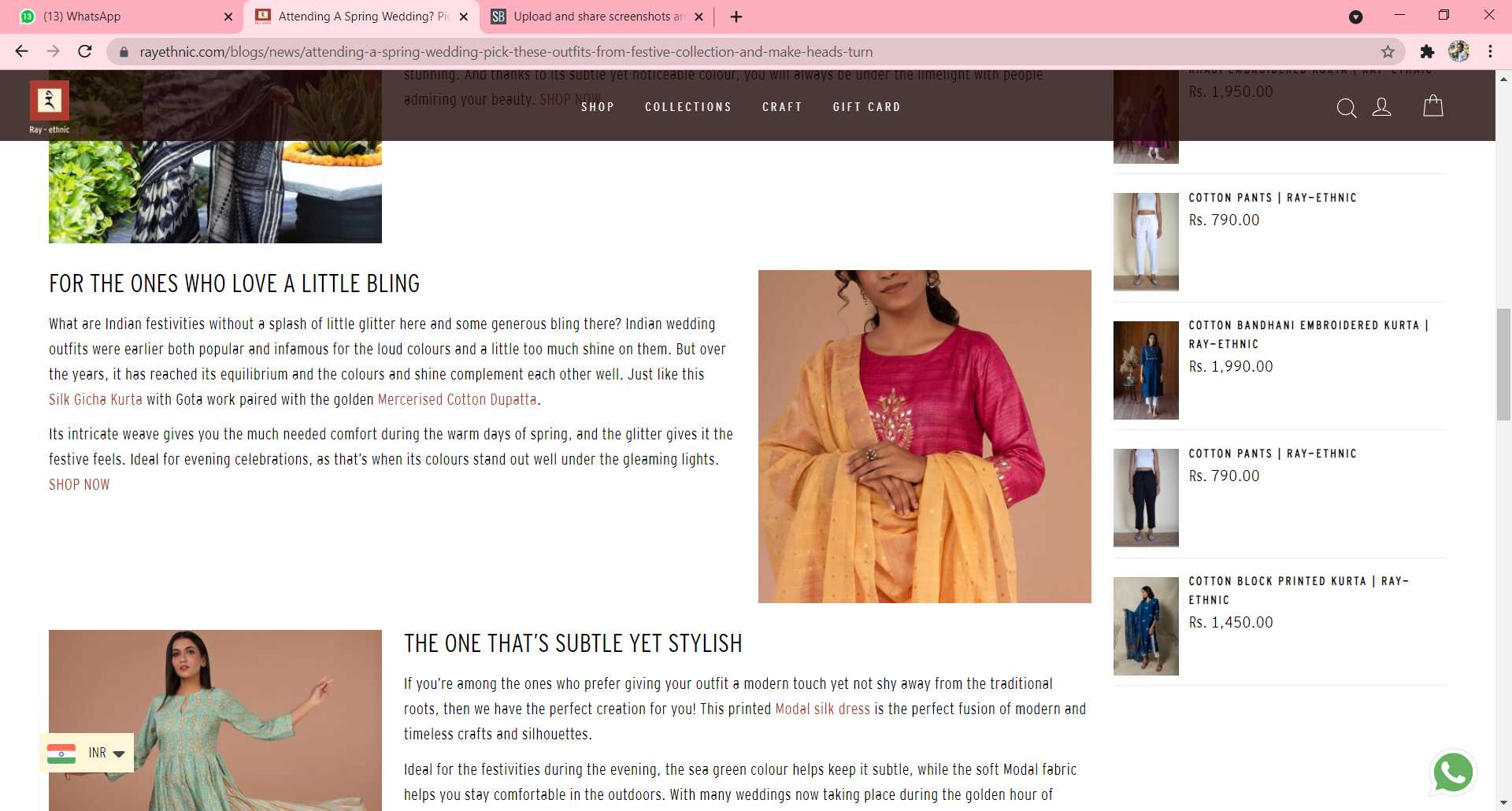
Ahmedabad-based ethnic fashion brand Ray Ethnic writes blogs which provide their readers with tips and styling tricks for various seasons and occasions, and smartly plugs their products within their content.

This way, the chances of their regular blog readers clicking on the call to action links smartly embedded in the images and on the names of their outfits are increased. These links lead to their product pages with an option to buy online. Check out their blogs here.

Ensure that the blog is readable and accessible on all types of devices

According to a Statista report, in the year 2020, close to 4.28 billion people were accessing the internet using their mobile phones. And it will take hardly 2 seconds for any of this user to abandon a website or a link if it doesn’t open properly on their handheld devices.

Hence, it is necessary to have a responsive ecommerce website in the first place, one which opens seamlessly and runs smoothly on all kinds of mobile devices and browsers too. Secondly, the blogs shouldn’t be too long, otherwise the reader will abandon the blog halfway and leave the sales funnel.

Ideally, a blog should be of minimum 800 words. Because it contains enough word-space plus at least 5 products in it, it takes hardly 3 minutes to read a blog of this size, and that it can be optimized for SEO with the right keywords too.

Make them an offer they can’t refuse

Nobody parts ways with their data without getting something in return. Offering the website visitor something valuable in return for his/her contact information like their email address or contact number is an ideal way to capture leads.

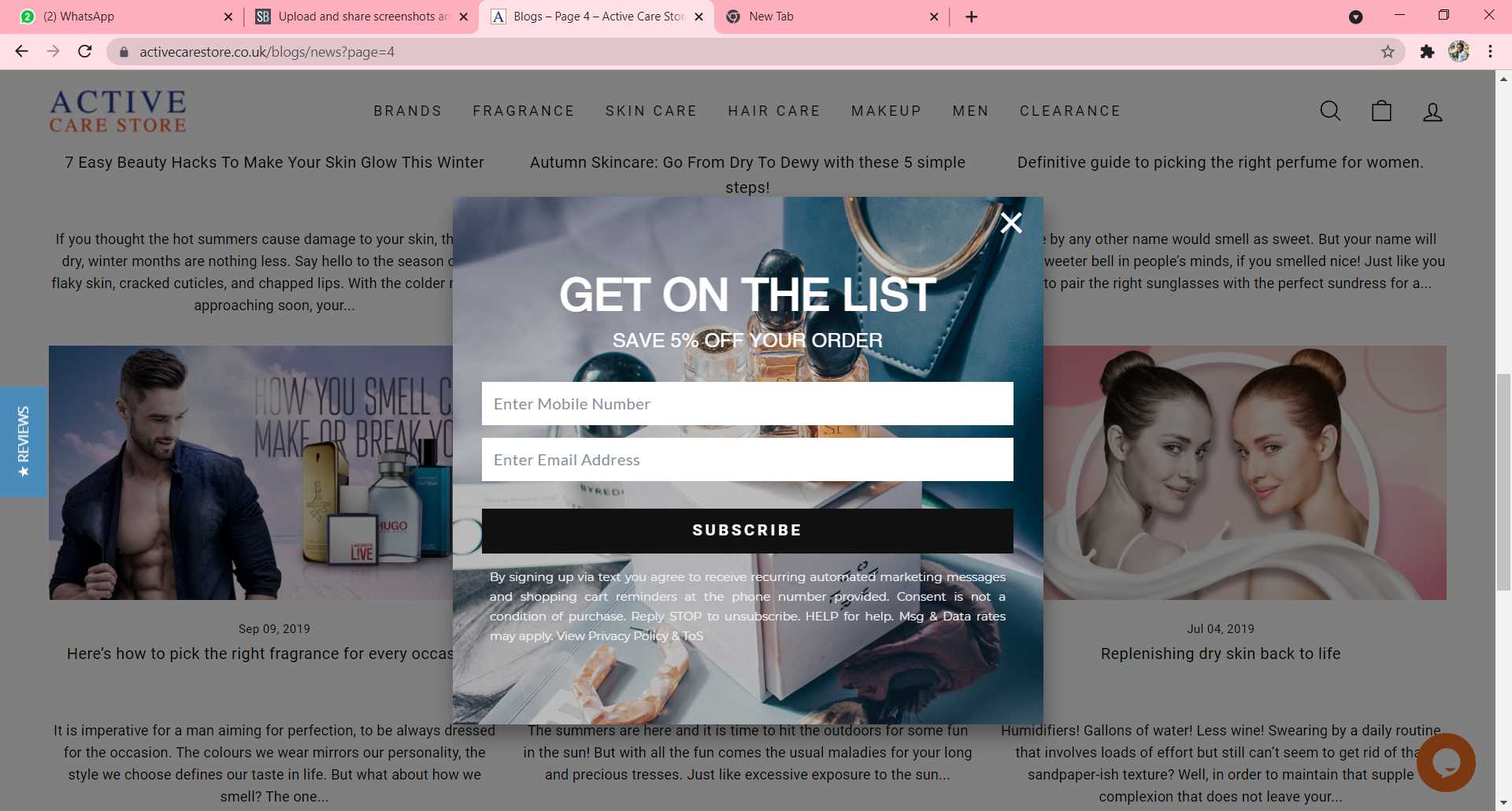
Activecare, a UK-based beauty and lifestyle products website offers a flat 5% off on orders to visitors who subscribe for their mailing list. They do this with an attractive popup that becomes visible within 10 seconds of scrolling through their website blogs.

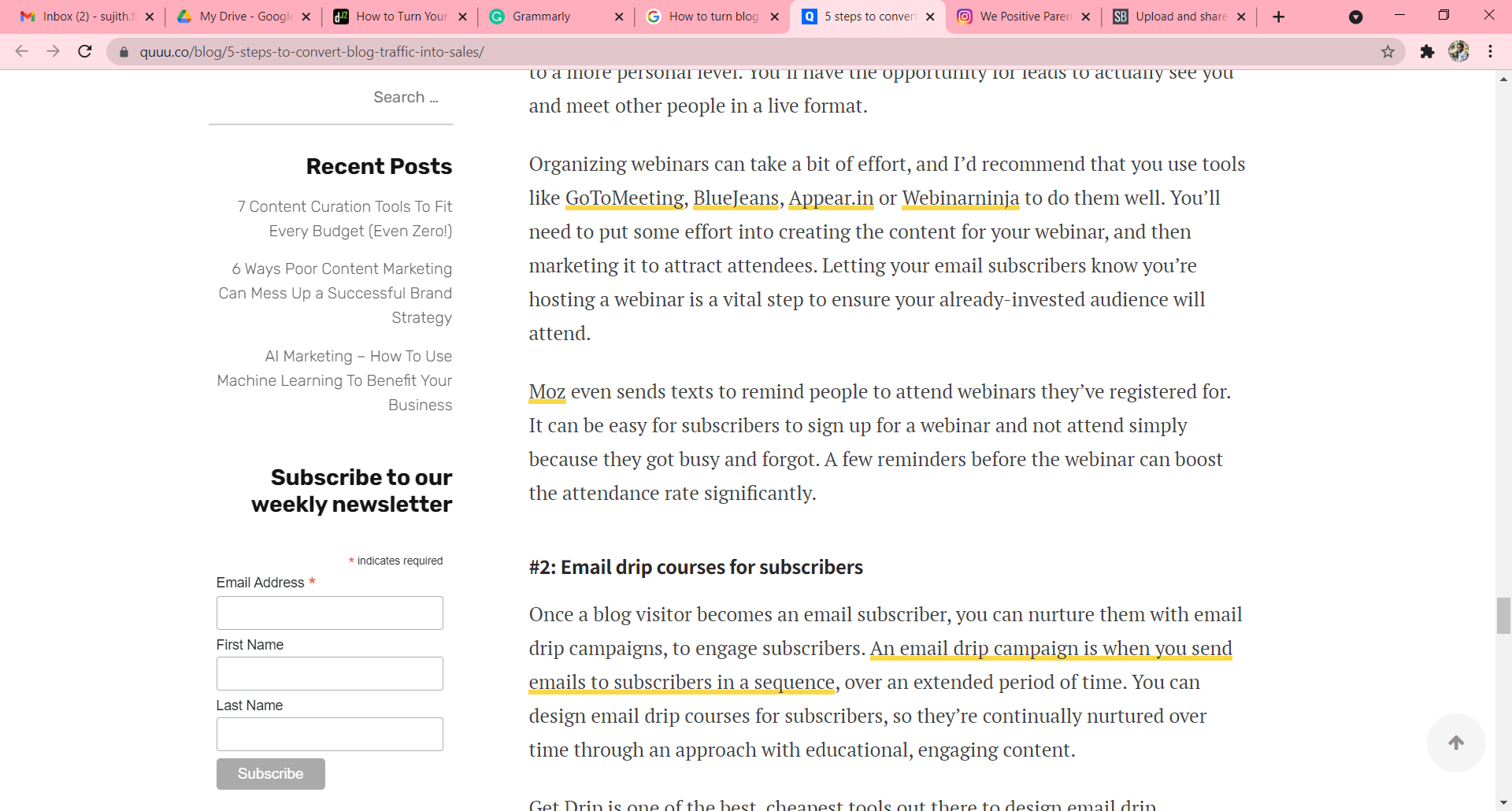
Another way to prompt the readers to provide their information, is by having a static subscription column on the right or left side of the blog. It stays right there, in the visibility of the reader as he/she scrolls along.

Make the most out of the leads

Here’s an interesting fact, 78% of marketers have seen an increase in email engagement over the last 12 months. Which means the chances of people opening and engaging with a well written and mobile-optimized email is higher than them clicking on a social media ad.

When readers provide their contact information to the business, they may not be interested in purchasing something immediately but do wish to come back when they see the right opportunity or deal.

Keep them updated through regular newsletters and messages, informing them about the newest offers, discounts, product launches, or services. This is called a drip campaign, where a business keeps their current and prospective customers engaged for a long period of time. Upon finding the right deal or product, the customers will reach out and eventually make the purchase.

Still wondering how to execute this process? Let the experts do the job. Various local, national and international brands have improved their business online with the ecommerce website design services and content writing services for business blogs from Flora Fountain. Reach out to us, and let us guide you towards the path of success on digital.

Categories
SEO

Here’s How to Retain SEO Ranking even after a Website Redesign

SEO (Search Engine Optimisation) Rankings are sensitive and are prone to changing every time there is a change in the design or content of the website without planning for SEO. During a website redesign or redevelopment, there is a high risk of the website losing its organic traffic, rankings and sales.

While there are plenty of blogs and conversation online revolving around how to make a website rank higher up on the search engine results pages (SERP), very few talk specifically about maintaining those rankings, even in the event of a redesign on the website. So, let’s talk about retaining a website’s rankings on the SERP after a redesign on the site and look at some of the tips shared by the SEO experts at Flora Fountain, a digital agency offering SEO Services in Ahmedabad.

search engine optimization

Save the original website’s data first

One of the ways to ensure website’s rankings don’t suffer heavily is by maintaining a similarity in the flow of content and design of the old site. Because search engines rank those pages or websites higher that are easy to navigate. It is important to save the old or current website’s data, i.e. a list of all the pages, its URLs, important pieces of content, keywords and the sitemap for future reference. It helps the developers and designers to ensure the user experience doesn’t get disturbed on the redesigned website.

Don’t make changes on the live site

This is an important point to remember. While making changes or during the redesigning process, the website must be disabled. The updated version should be made live only after testing. But disabling a website means the business will lose many customers and visitors who might be trying to access the site. It is advised to do it on a different domain. Experts providing top SEO services in India suggest that all the changes and updates should be made in a different domain or a staging site, and once all the changes provide satisfactory results in testing, only then the new site be swapped with the old one live on the internet.

Use 301 Redirects

301 Redirects

When there is a change in the URLs, make sure to have 301 Redirects for them. The 301 Redirects notifies the search engines that the content has been shifted to a new location and takes the visitors to the new web page from the old one.

A broken link can damage the ranking of the website, which will eventually lead to losing organic traffic to the website. This happens because the search engine assigns the existing ranking to the new page only after it knows that both the pages have the same content in them.

Check for broken links

Even upon setting up 301 redirects for the pages, problems can still arise. Broken links can show up if there is a mistype or a spelling error in the URLs. And when this happens, visitors and search engines will see a page with the message “404 Page Not Found”. This again creates a bad experience and can be a serious turn off for the visitors. This error damages user experience and search rankings of the website as well.

Look for broken links on the website by using tools like Screaming frog, Bing Webmaster, Broken link checker and Yandex Webmaster.

404 Page Not Found

Reinstall SSL Certificates

Redesigning a website can result in loss of the site’s Secure Sockets Layer (SSL) certificate. And websites with SSL certificates have added advantage on the SERP. Safety and data privacy play an important role in ranking of a website as it gains people’s trust. SSL creates an additional layer of safety that protects the information people choose to share with a website. In other words, it is a protocol used to encrypt communications.
So, every time there is a redesign on the website, it is important to reinstall all the SSL certificates to ensure that the new site starts ranking up on the SERP quickly after going live. Here’s a easy to understand tutorial on how to install SSL certificates on the website

Update the Sitemap

The sitemap is an XML file that’s contains a list of the website’s URLs which helps search engines to know about the pages of your website for crawling. While redesigning a website, it is recommended to create a new sitemap XML document, as it helps search engines to index the website faster. Moreover, it allows site visitors to easily navigate it. An XML sitemap can be submitted to search engines such as Google, Bing, etc. through webmaster tools like Yoast or Sitemap Generator.

Update the Google My Business page

This might sound like a small step, but it is a crucial one. As soon as the updated website is live, the first thing to do is make changes to the Google My Business Page of the business.

Google My Business is an effective tool for businesses to use to improve their local search rankings. It can give local service-based businesses the exposure they need to be at the top of the SERPs in their area.

You don’t want to sabotage your SEO rankings while redesigning the website, do you? Let the Best Digital Agency in Gujarat help your business in retaining them. Drop us a message on hello@flora.ffteam.in

Categories
Web Design and Development

Building the perfect website is a collaboration between design and development

A website is a great tool for digital marketing, selling online and for building credibility for a business. But an average user spends hardly 15 seconds on a website. In order to make them stay longer and engage with the website, the website must be visually pleasing and easy to interact with.

It is a collaboration between great design and robust development that creates a smashing website. Here’s a look at how Flora Fountain, the best website development and design agency in Ahmedabad works to create the perfect website for its brands and businesses

But first, let’s understand what web design and web development is.

Web Design

Website Design or Web Design refers to designing everything from the user experience to the user interface, basically all the visual elements of the website and their usability from the perspective of a user. Web designers focus on designing the front-end of the website, the part which the users get to see on the internet and interact with.

They recreate the visual ideas by creating the 1. wireframes showing the layout of the website 2. creating styleguides detailing the details of the visual elements such as fonts, buttons, text treatment for different sections and so on 3. defining the interactive elements that might need to be animated. For responsive design, designers end up creating separate layout for mobile and desktop.  Once done, they work with developers to get their vision executed and tested in code.

Web Development

As a web design agency in Ahmedabad, design is at the forefront of every website we create, after all, a website is the face of every brand on digital.

Web Development

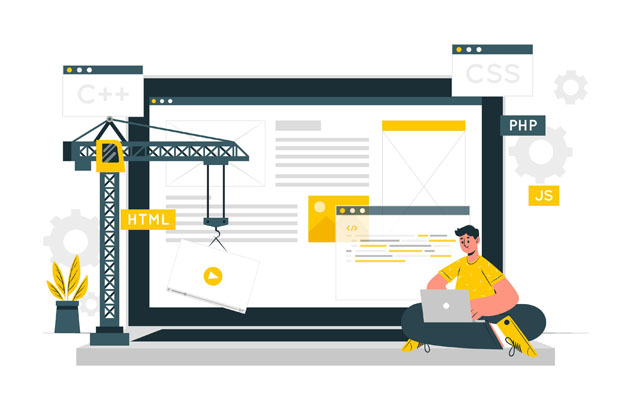
Web development or website development team usually consists of front-end and backend developers who write code that brings the wireframes to life as a working website. The front-end team code in browser-based client-side technologies like HTML, CSS, Javascript to creating what the visitors will see when they open the website in a browser, while the backend team works in server-side programming languages like PHP, Nodejs, Python, Ruby to ensure that the business logic and the functionality of any features being planned for the website are fully incorporated.

So, how does design & development work together?

1. Getting the Requirements

Information gathering is the first and foremost activity that takes place to build a website from scratch. The product owner (or manager) with the help of design, content and technology teams defines the purpose of the website, the target audience, the requirements from the client and the users for this website, and the kind of content and functionality that will be made available to the end user.

2. Creating an Information Architecture or Sitemap

With the requirements in place, now it’s time to decide what goes where and how. This exercise is ideally done by the product owner in tandem with the content team. Together they flesh out the pages required on the website and the information hierarchy or flow required to show all the information required as per the original brief.

3. Creating the Wireframe & Styleguide

website wireframe

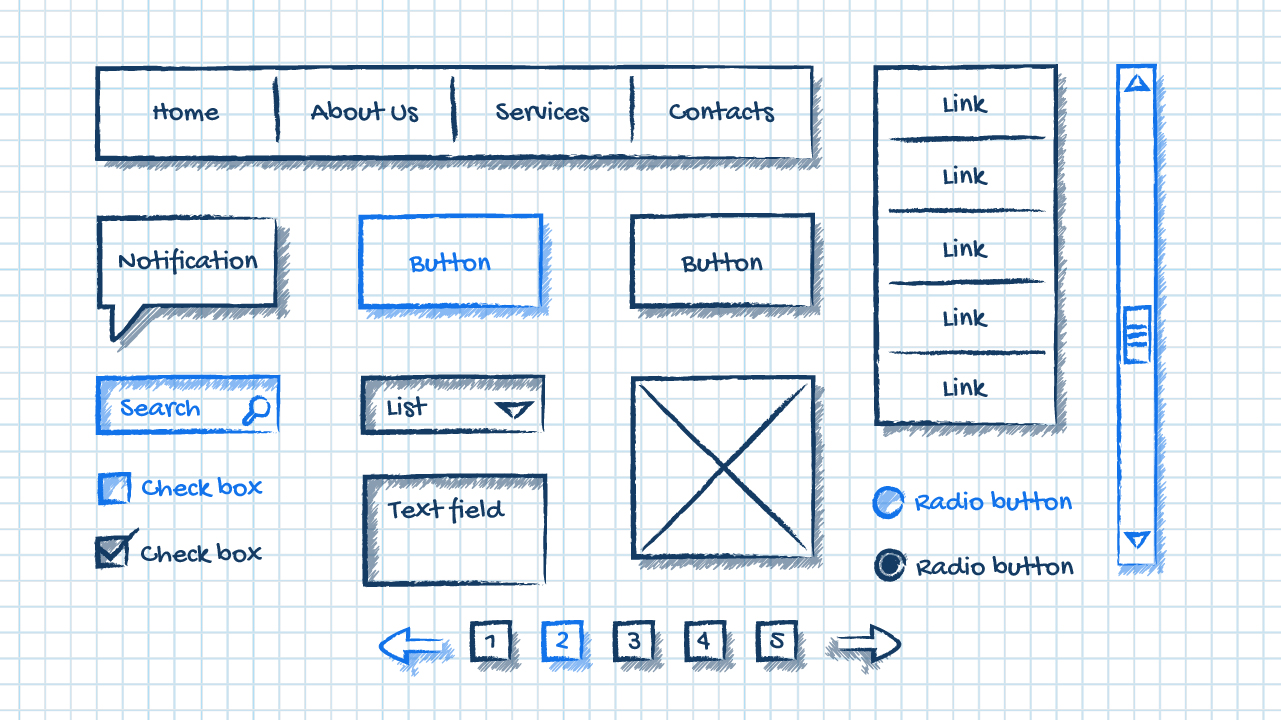
A website wireframe comprises of the skeletal framework required for each page of the website. Together with the styleguide, this is the blueprint of the website. Creating the wireframes can be as simple as sketching on paper, or they can be created professionally using tools like Sketch, InVision, Adobe XD or Figma

For getting your websites wireframe made professionally, you can always contact us.

4. Building the first mocks

A mock is the working, visual replica or prototype of the website created keeping in mind the user interface of the site. While usually having a wireframe and style guide is enough, for more complicated designs, a detailed mock with each element, pictures and sample content is sometimes required. This mock gives an idea on how all the elements will come together on a page, and is useful for getting feedback from the client, before beginning coding. For responsive websites, separated mockups for desktop, mobile and even tablets might be required.

Custom website design through mockups is one of Flora Fountain’s core strengths as a website development agency.

One of the most traditionally common tools for creating website mocks is Adobe Photoshop. Nowadays, Sketch and Adobe XD are also used.

5. Building the Front End

Once the mockup is made, the wireframes and styleguide defined, the Frontend developers now take charge of the project, where they bring all the concepts to life through coding. They implement the design ideas through HTML, CSS and JavaScript in a manner that the site looks aesthetically pleasing on all kinds of devices, also known as a responsive website. This ensures that the visitors can easily interact with the page and get exactly what they are looking for.

Frontend developers

6. Meanwhile, building that strong base for everything to stand

It’s the backend development team that’s responsible for preparing all the information and coding the business logic and functionality that needs to be sent over to the client side, or the front end. The backend development takes place in server side languages. While their end of the work remains concealed to the world, it forms a strong base to create a high-performing responsive website that loads quickly. These teams further work on ensuring that database and database requests are optimized, the code is high-performance and the servers adequate to support the website functionality. The technologies used in backend are usually languages like Python, PHP, or Ruby, or frameworks made using these languages such as WordPress, Magento or Shopify.

But what if it is Theme-based Website?

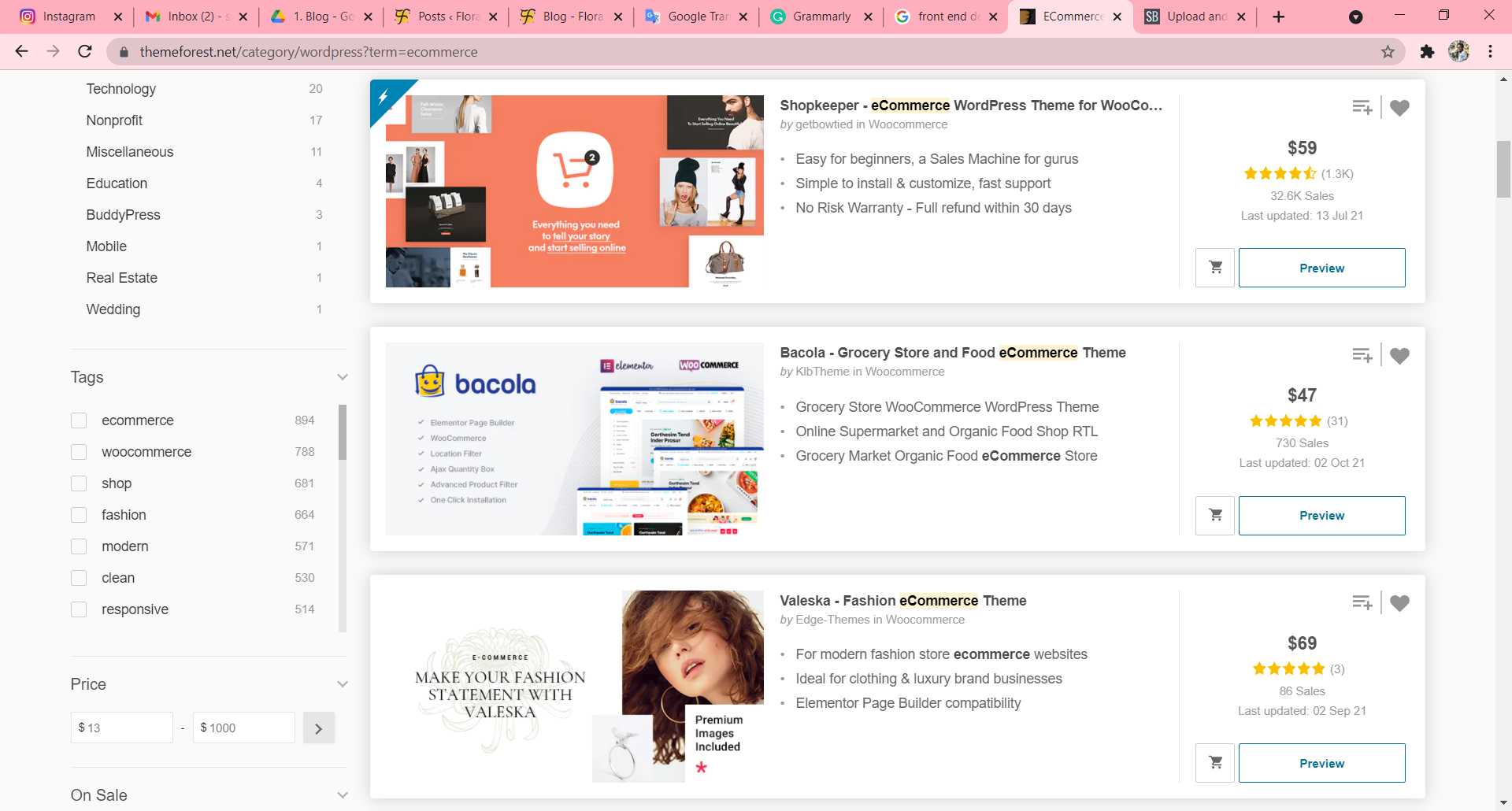
The process is usually the same, with step 1 and 2 being followed diligently. But, instead of designing or developing the website from scratch, a theme which suits the brand or business well is picked. Website themes can be purchased online from sites like Themeforest by Envato.

website wireframe

These themes are design and development-ready, with the designer and development teams only making cosmetic changes and adding additional plugins to suit the requirements of the website. Followed by step 5 and 6, where all the customisation required to suit the brand comes to life on the website.

Did you know that some of the most beautiful website made by us at Flora Fountain are actually themes modified to suit the brand’s design language. Curios to see these theme-based websites designed by Flora Fountain? Drop us a message.

The Confluence of Design & Development at Flora Fountain

With such effective collaboration between web development and web design, the websites we create at Flora Fountain are nothing short of being a masterpiece. With well-thought wireframes and aesthetic design elements brought together by our skilled web designers, and robust code by our web developers, they complement each other in building beautiful, responsive and multi-functional websites, which our brands love to call their digital home.

Looking to create a stunning home for your brand or set up a shop online? Get in touch with the best web development agency in India.

Categories
Digital Marketing Agency

Why your brand needs Inclusive Marketing

When we mention a term like inclusive or a word like diverse what is the first thing that pops up in your mind? Race, religion, gender? Maybe it is time that inclusivity becomes more than mere words, and becomes a value that brands understand and embrace. Maybe it is time that brands realized the importance of Inclusive Marketing, in order to speak directly to a wider variety of audience, and as a by-product also paving the way for a more inclusive world.

Let’s dig a little deeper into inclusive marketing and how a brand can use this strategy to bring change and explore an untapped market.

blonde-man-wearing-orange-eyeliner

What is Inclusive marketing?

Inclusive marketing means a brand creating a marketing strategy plan which resonates with people who have been underrepresented or stereotypically portrayed. Be it racial and ethnic minorities, be it plus size models or be it LGBTQ individuals, inclusivity means to show the diversity of the real world by including people from all backgrounds.

For instance, a makeup brand which caters to young women, decides to create a post featuring a man using their product. Unexpected? Definitely, but inaccurate? Not necessarily. Such an approach reflects the positive attitude of the brand towards the different genders it serves, with a thoughtful and inclusive message for the society. This type of marketing helps in bringing positive social change and elevating diverse voices and role models. It even eliminates cultural bias.

In today’s world, it is very important for a marketer to relay the brand’s message in a way that it relates with everyone regardless of gender identity, age, race, ethnicity, religion, sexual orientation, etc. and elevate their stories.

Why inclusive marketing matters for a brand?

Customer is the king and ‘inclusive marketing’ matters, because they say it does.With time more and more brands have started catering to diverse consumers, which is why a consumer knows that they do not have to ‘accept’ being ignored by any brand they want to connect with.

high-view-diverse-wooden-characters-inclusion-concept

According to a survey conducted by Adobe in the year 2019, 61% of their customers think diversity in advertising is important, as it has an impact on their likelihood to engage with a brand.

Moreover, as our societies have become more diverse, it’s important than ever that companies are thoughtful about the messages, images, voices, and values that represent their brands.

Increases brand’s reach

A brand can expand its reach in the market as inclusivity allows the company to find and connect with new customers. When a brand shows inclusivity and diversity in its marketing strategy, it creates a huge impact on how the potential customers see a company.

Inclusive marketing even helps the company to develop a closer and deeper relation with the existing customers in order to build brand loyalty.

Overall, this marketing technique will help your brand’s audience to grow.

Closer to the audience

Pop singer Rihanna’s beauty line Fenty Beauty is an epitome for how inclusivity in brand marketing can bring you closer to your audience. Her brand places “beauty for all” at the core of its marketing message and her focus on inclusivity is striking a chord with many people because it is authentic.

blogimg

Her brand SAVAGE X FENTY featuring plus size models or gender-neutral products helped her get close to a wide range of consumers as they related to the marketing.

Boosts brand recognition

People respect a brand which offers inclusive marketing and genuinely shows what real people need. When a brand speaks the language of the consumers, they earn their trust.

A company which tries to avoid stereotypes and make more efforts to counter them, inspires people. Eventually it gets a brand more recognition in the market.

The smart thing to do right now is to incorporate inclusivity into the fabric of your brand.

How can your brand practice it?

Gather data and LISTEN TO IT!

The first thing on your list should be to throw every assumption you have made about your audience out of the door. You as a brand should dig deeper and research cultural intelligence to know your audience in a better way. The data analytics will allow you to clearly see the positive, negative or neutral responses to your advertising campaigns. Inclusive marketing does not mean just to gather data, it also means listening to it.

Once you study the data with an unbiased eye, you will be able to identify pitfalls in the marketing strategy plan which in turn helps you to create a relatable marketing campaign.

Reflect reality and tell universal stories

We see a mix of people when we go out in public. Just like the real world, a brand also needs to reflect real people in its marketing. People want to see themselves reflected in the media to feel inspired and heard. Use their real-life stories in your marketing image, video or more and infuse their language with yours.

After creating one, ask yourself if it elevates diverse voices. If it does, go ahead!

Show variety

Deloitte stated in one of its researches that ‘Millennials are the most diverse generation in history’. This means that marketers in the current scenario can no longer create the kind of narrowly-targeted campaigns that worked for them in the past. PEOPLE NEED VARIETY.

Potential customers are becoming increasingly aware of the social challenges that people of other sorts of backgrounds, philosophies, and ethnicities are facing. Hence, people not only want to see themselves but also a variety of groups.

So, think out of the box and create something which is welcoming, inclusive, and attractive at the same time.

It’s high time now! We are in the year 2021. Brands embracing diversity in their marketing should not be considered as a trend, it should be a norm. 

Wish to know more about inclusive marketing from your brand’s perspective, reach out to us for a consultation. Drop us a line here.

Categories
Ecommerce

Increase your online sales through these ecommerce marketing strategies

Marketing plays an important role in driving sales for a business, whether they are offline or online. But the strategies that drive traffic to ecommerce platforms and further convert them into sales are completely different from traditional practices.

Here’s a look into some interesting and proven ecommerce strategies that can help brands sell more through their ecommerce websites. You’re welcome!

Cross selling

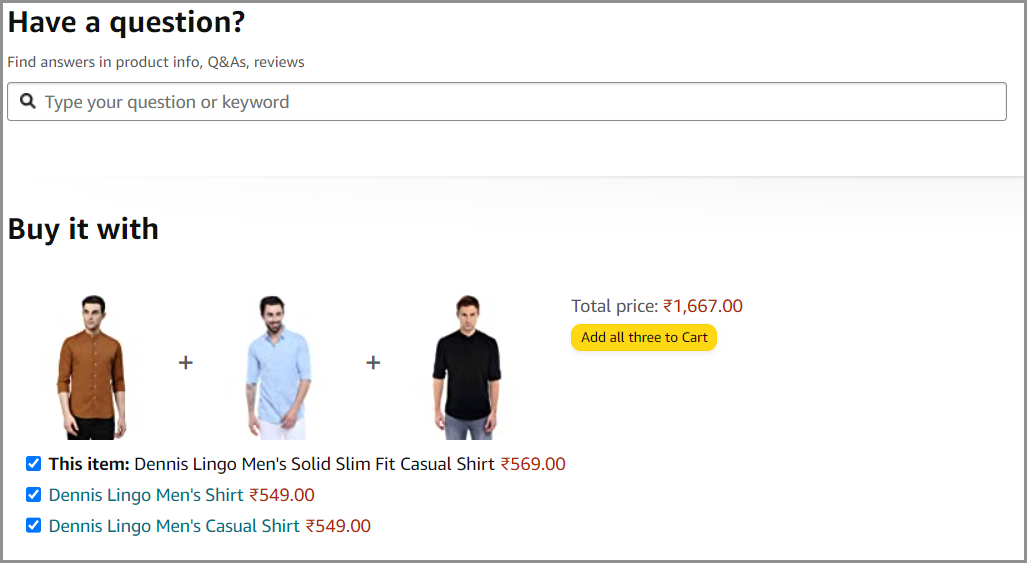
One of the most effective ways to increase the cart value of the customer is to cross sell. Cross selling means selling a different product to the customer, either as an alternative or an addition to the product that’s already added to the cart. Ecommerce websites like Myntra and Amazon usually have a section called “Frequently Bought Together” where they show combos of products that complement each other.

cross selling on e-commerce Amazon.in cross selling multiple shirts on their product pageFor instance, if a customer is looking to purchase a mobile phone online and as they scroll down, it will show a combined price window with a pair of earphones and power bank. It lures the customers into thinking he/she is getting a great deal in purchasing all of three products together.
Build up a sense of urgency

Another great ecommerce marketing strategy to encourage customers to purchase a product is by creating a sense of urgency in their minds, of missing out on buying the said product if they don’t act now or. The idea is to offer the customer a short window to make the decision and have a feeling of getting a great deal out of it.

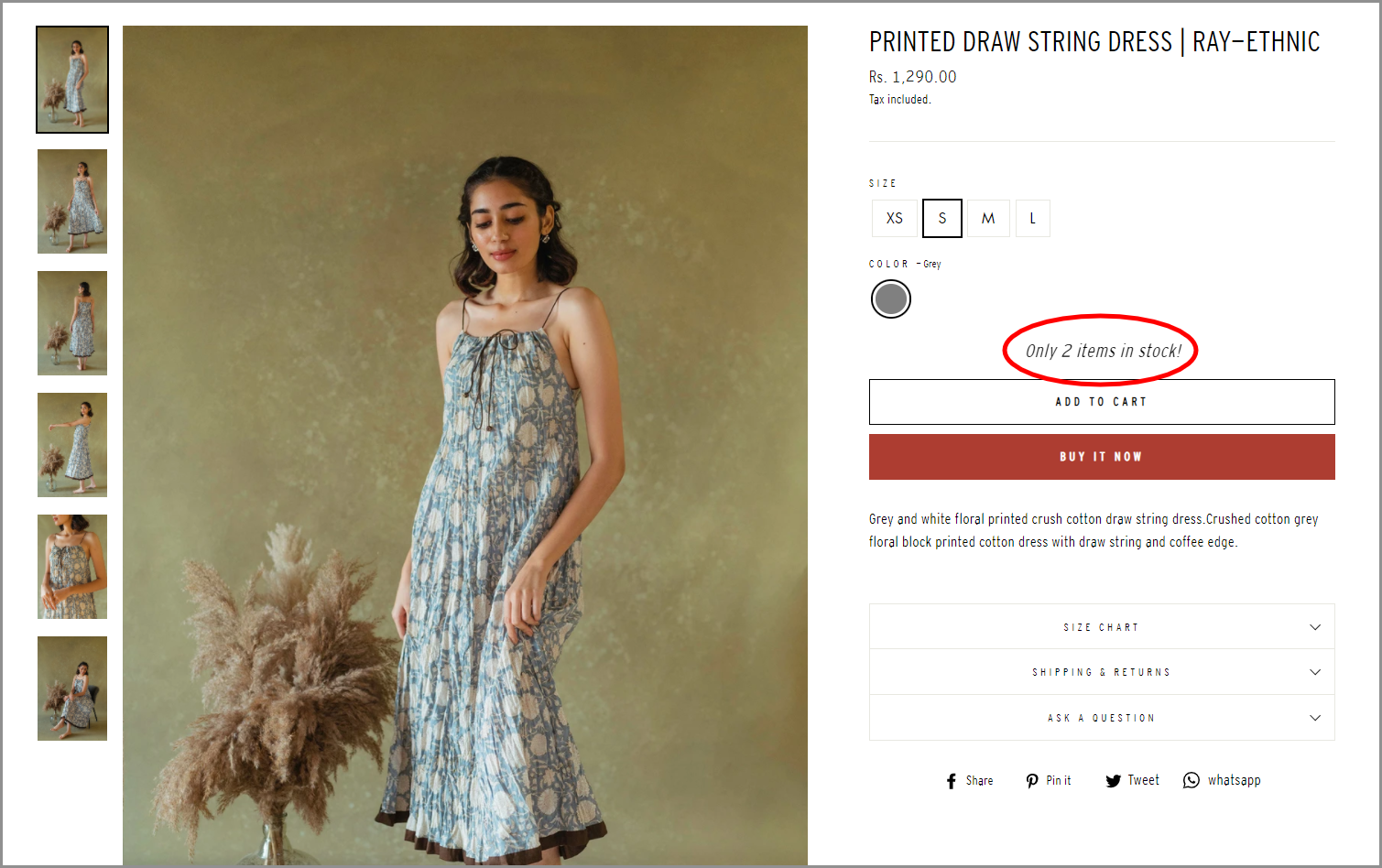
There are various ways to do it. One of the most commonly practiced methods is to entice them by showing the quickly running out stock levels. When a customer sees that the product they just liked might go out of stock soon, chances are, he/she will end up buying it.

Ray ethnic low stock remaining image creating sense of urgency Rayethnic.com creating a sense of urgency by highlighting high demand of their productsAnother way to create a sense of urgency is to offer a limited period discount or benefit. For instance, Amazon displays a pop-up under many of its products which offers either an attractive price deduction or a free overnight shipping if the customer places an order within X number of hours.
Blogs

Now, this is a long-term strategy which requires quality content and consistency over a period of time, but the benefits are many. Blogging is an effective and proven strategy used by major ecommerce marketing companies in India.

But, how do blogs help?

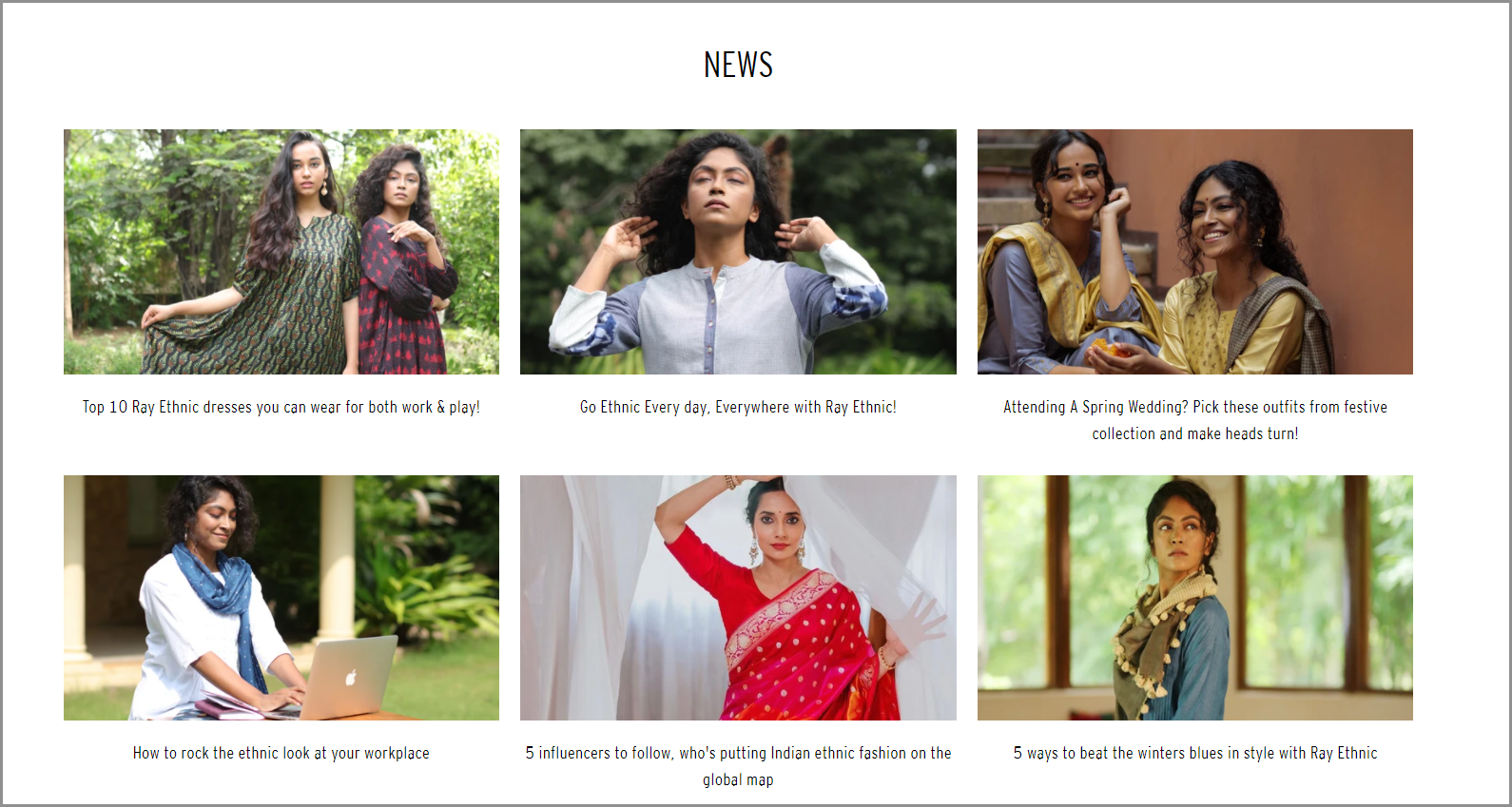
Blogs are among the best ways to boost an ecommerce website’s organic SEO reach. Blogs give businesses a channel to engage with their regular customers through well written blogs that offer value to them. Just like how Ray Ethnic does with their blogs. They offer fashion tips and product suggestions and promote ethnic fashion through their well written articles.

Ray Ethnic Ecommerce Blogs A variety of blogs on rayethnic.com that talks about fashion tips using their productsBut these aren’t just blogs, they’re smartly written content pieces peppered with relevant keywords that help their website rank higher on the search engine page. This means their visibility increases further when people search for ethnic wear.
Additionally, blogs can be interlinked to relevant products from the inventory, enticing the reader to click on the product link and maybe purchase it too. For instance, a blog that talks about perfumes to be worn during winters, can have one or many products hyperlinked every time the brand or the fragrance is mentioned in the write up.

Offers/Discounts

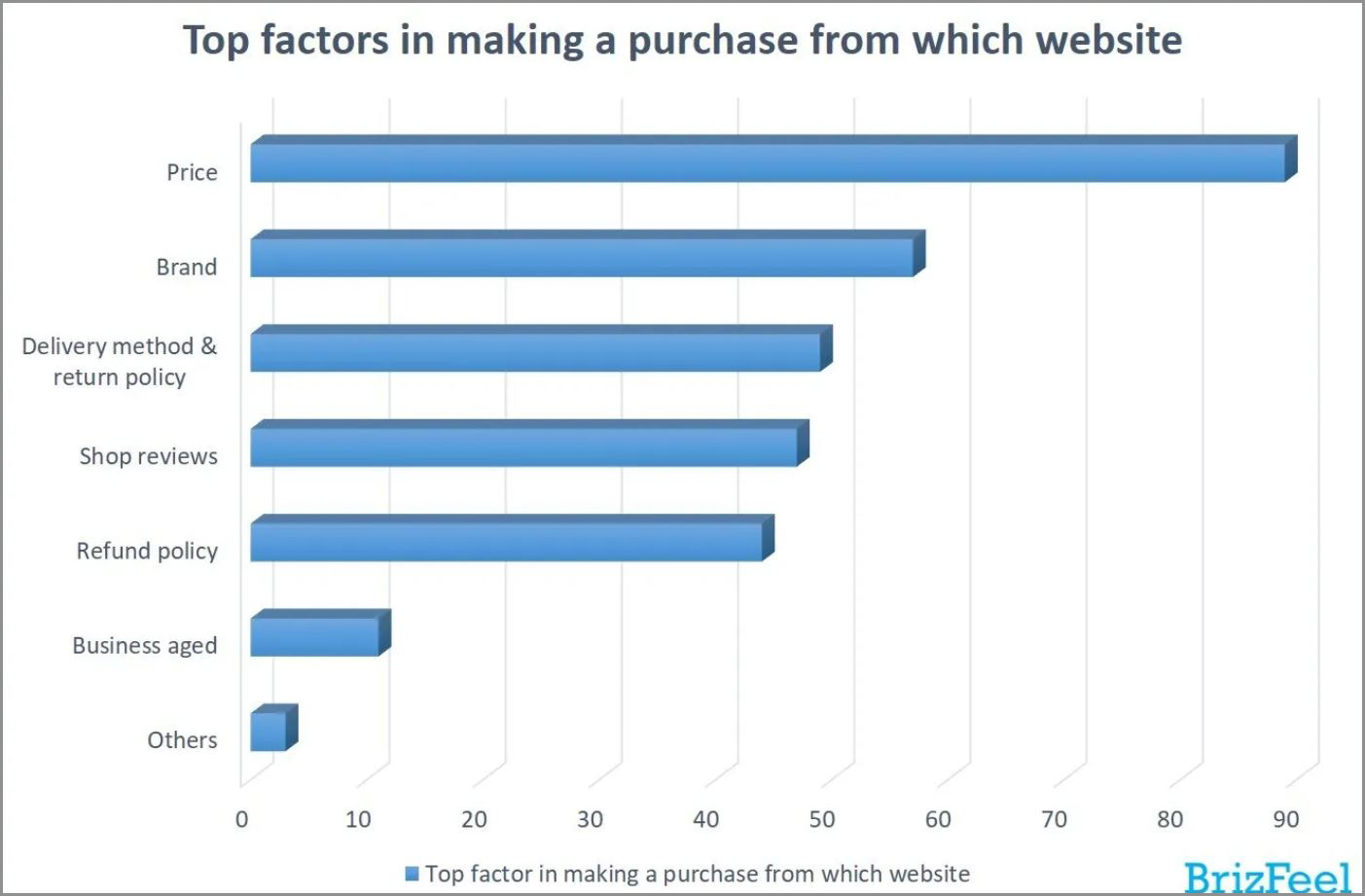
A recent survey by Brizfeel showed that price is a top factor that influences a buyer to purchase something online. Giving the customer the feeling of having grabbed a great deal or saving a good amount of money on a purchase, is one of the best ways to push sales on ecommerce. And everyone loves a sale or a great discount.

Graph showing purchase trends due to offers and discounts Brizfeel research showcasing various aspects that influence shoppers to purchase moreBy regularly having offers like “The End of Season Sale” for lifestyle brands, or a “Buy One Get One Free” offer for FMCG products and food items, the quantitative sales among regular shoppers see a sharp rise. Further, when these regular customers talk to their friends and family about the great discount they availed on the sale, it attracts new visitors to the site, and chances of getting new sales go up.

Reviews

A common trait among all online shoppers is to check what other shoppers like them are saying about their experience with the business and their products. And good reviews always push more sales. The Brizfeel survey above further states that 94% of customers won’t purchase from an online store that has bad reviews.

Encourage positive reviews from customers, to write about their experience with the brand, either on the review columns in the website itself or on platforms like Google Business, Facebook pages, etc. This can be done through a pop up right after they checkout, which prompts the shopper to post a review. They can either be in the form of ratings, e.g. how many stars out of 5 or a small text box that posts the review publically immediately.

These are proven strategies that have increased sales, improved visibility and strengthened the brand positioning of many ecommerce businesses in India and internationally. Implementing them in your ecommerce sales strategy will definitely bear fruit.

Loved what you just saw? Let’s get it started on your ecommerce website too. Get in touch with Flora Fountain, a full-service digital agency offering Ahmedabad’s best ecommerce website design and development services to various national and international brands across the spectrum.