Categories
Branding Services

What Should a Logo Include? Don’t Forget These Essential Elements!

So you want to make your customers sit up and take notice, maybe do a little dance of joy and discovery too? So you want to let them know your brand’s story, how different it is from all the competition out there? After all, in the 90s, there were lover boys and then there was Shakhrukh aka Rahul.

Enter BRAND LOGO

And just like in the movies, brand love does happen at first sight. And logos, being the metaphorical face of a brand, are often carriers of the brand’s first impression for new and future audiences. Logos are also a great way to distinguish your brand from other companies with similar products. So let’s dig a little deeper with the experts from one of Ahmedabad’s best-known logo design and branding agencies to find out all that a logo can be and should be…
logosss

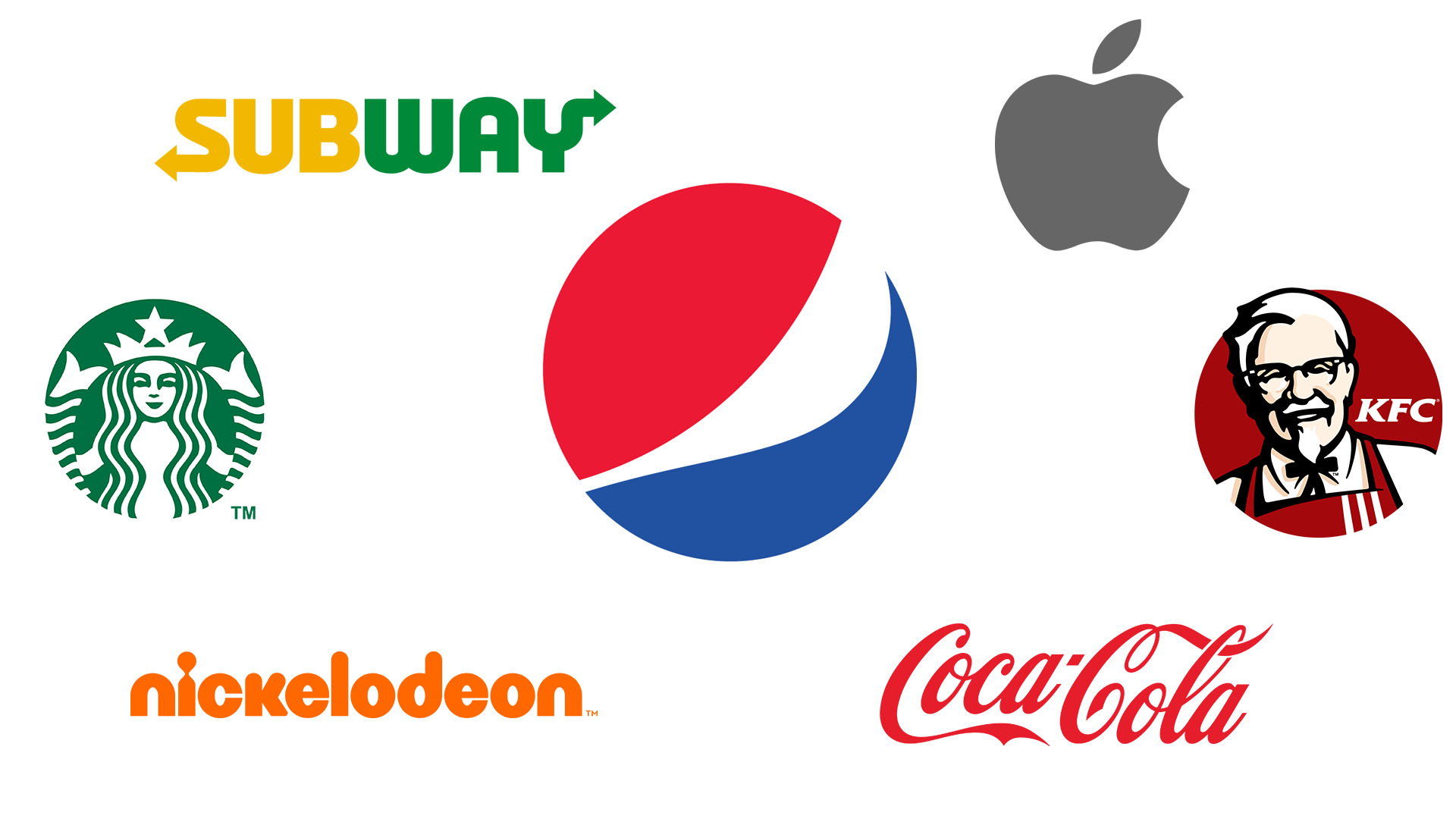
Brand or pictorial mark
Made up of a graphic symbol or icon which represents a real-world object. A perfect example would be, Apple.
Abstract
Logos which consist of a unique symbol tailor-made for the brand, like the one for Pepsi.
Mascots
These logos are made of images of a character that act as a visual representation of the business, like Colonel Sanders in the KFC logo.
Emblem
Logos which consist of a typeface that sits within a border or a seal. For example, Starbucks.
Dynamic
These are adaptable logos, which change themselves according to the context in which they are being used, instead of having a standard font-color-text combination.
Wordmark
These logos consist of text only with company names, monograms or initials. Think Subway or Coca Cola.
Knowing the whole gamut of logo options, how does one choose which logo style works best for your business? Well, here’s how…

1. Do extensive research

You have only one chance to get the logo right! So, do it properly! And how can you do it? With the help of thorough research. Good research will show how you can explore different logos to create a perfect one for your brand.

Dig deep and research your competitors’ logos as well. Don’t do it, to copy from them, but rather to check what kind of design, scheme and layout they have. See what worked and what didn’t work for them. And with the help of your research.

You should show customers that you are unique and different. Plus, being too close to your competitors could be detrimental, and get you into legal trouble. Moreover, be clear of your audience and find out what colours or concepts work on them.

After your research, create a brand concept that reflects the ethos and goals of the brand.

2. Always have a story

Have you ever seen a big brand without a logo? No, because there isn’t one. Logo tells the story of the brand. And you need to create that story too.

Mcdonald’s

When consumers see any brand logo, they are reminded of the stories of the businesses those logos represent. For example, when people see an iconic Golden Arches, they know it’s McDonald’s. It is a brand which people recognise without even seeing the name. The arches represent the newly-constructed architecture of the first franchised restaurant in 1952. Did you see? A story!

This is how companies which have logos connected to the company’s stories or mission are often the most successful.

3. Keep it simple

When in doubt, remove the extra elements!

Less is more, when it comes to logos. While, it’s fun to play with different colours, images and fonts but using too much of them will lead to a disaster. The more elements you add, the more complicated it becomes. And visually complex logos or overcrowded designs should always be avoided.

Rather than getting carried away with too many options, opt for a simple design with a clear brand message that will hit the right spot of your consumers. Choose the right colours and typography very carefully. It should be easy to read and should have a proper size and well-distributed spacing.
Logo

For example, Twitter. The bird with clean lines and blue colour is simple yet effective.

4. Dare to be different

Imagine going to an office party and ending up twinning with two of your colleagues. Do you think people will remember your outfit over someone who wore something different? That is why, in a world where there are no new ideas, your brand needs to have a unique logo which stands out from the crowd and make an identity different from the competitors.
Dare to be different 1

Think out of the box, like Mercedes. The logo of Mercedes is not a car but a three-pointed star which represents the use of Daimler engines on the land, on the sea, and in the air.

Dare to be different

Similarly, a fashion brand of Ahmedabad, known as Mulberry Looms, decided to be different. How, you ask? The brand which crafts pure handloom Banarasi silk sarees, lehengas, among other outfits, does not choose to go for the cliché logos like a top of a woman. Rather it incorporated its weaves in the logo.Your goal should also be to make a logo connected with your brand’s values and aesthetics. Experiment till the time you come up with something totally innovative.

5. Choose a responsive logo

In this digital world, businesses are very lucky to have various platforms to promote themselves. Hence, the brand logos are not just limited to visiting cards, they are also visible online to the people sitting online on different devices.

Your logo should be very clear and distinctive on every platform. It should seamlessly fit on the plethora of devices used by consumers.

The best example for a responsive logo is Google. The logo reads full GOOGLE on larger screen and on small screen the logo is compact in its four distinct logo colours.

BONUS TIP

If you are out of ideas but still want a distinctive, original, and intriguing logo, all you have to do is get in touch with the professional logo & Branding design services in Ahmedabad’s Flora Fountain.

Have a question? Drop us a message here. Experience the difference and enjoy the creative process with Flora Fountain. 🙂

Categories
Web Design and Development

5 Nightmares Every Web Developer Dreads

While everyone and their aunt talks about things developers dig, what coders love to create and so on, we are surprised how nobody is talking about what developers love to hate, the coding horrors that give them nightmares.

With a team of sharp web developers working on some of the best websites designed and developed in Ahmedabad India, we have learnt at close quarters about the many things that keep our talented techies up at night, things they dread. And they are…

1. Fixing someone else’s bad code and bugs

The one thing that every developer fears while joining a new company, is the cleanup job of any project developed by someone else. Developers hate touching someone else’s code. And it’s a horror story if the code they’re working on is lengthy, unreadable, complex, riddled with bugs and LIVE.

Good-Developer

Wondering why this happens so often? That’s because developers, just like writers and painters, have their own style of coding. A good developer will always document his/her code, to ensure the sanity of anyone who might have to work on their code in future. Yes, this includes themselves too.

Of course documentation is a painful process and it’s the second most hated thing for most developers, but without it, any new developer will have to scour through thousands of lines of the original code to figure out what the former developer was thinking. And trust us, it is a NIGHTMARE!

2. This, that, everything is a top priority!

Three developers walk into a bar, they start discussing their priority tasks and bugs. The bartender chipped in, “I KNOW, RIGHT… THAT’S WHY I CHOSE BARTENDING OVER CODING!”

Frustrated man with laptop

Developers absolutely hate it when their project managers come up to them and keep adding new “top-priority” tasks on their plate and still expect them to complete all the previously ongoing ones at the end of the day.Prioritizing means ranking tasks on the basis of its importance and urgency. It’s not rocket science for anyone to not get it. Of the many developers we have worked with while offering website development and web design services in Ahmedabad, most of us have recalled of instances where they have been expected to work on two projects in parallel or multitask because Task A and Task B both are ‘Top Priority’

Surprise, surprise, that’s not how it is supposed to work! It’s just a pure case of bad management and project heads and team leads cannot blame their developers for their poor estimation of deadlines.

3. Meetings, a lot of them!

THIS MEETING COULD HAVE BEEN AN EMAIL!

Developers absolutely hate it when they are pulled into “quick meetings” that last close to an hour and have no clear objective or agenda. This causes interruptions in the flow of their work and forces them to clock extra hours in the office to finish their work for their “Top Priority” projects.

Badly run meetings or “brainstorming sessions” can end up wasting the developer’s valuable working hours and break their flow of thought, which then leads to difficulty in getting back into the zone to write code.

Project Manager

So, the next time a developer says he/she is looking forward to the weekend, they aren’t making plans to hang out with friends, relax or go on a date (hope we didn’t touch a nerve there), but to finish their pending tasks with focus and in absolute isolation (okay, that’s the last one, we promise).

4. Just one more thing

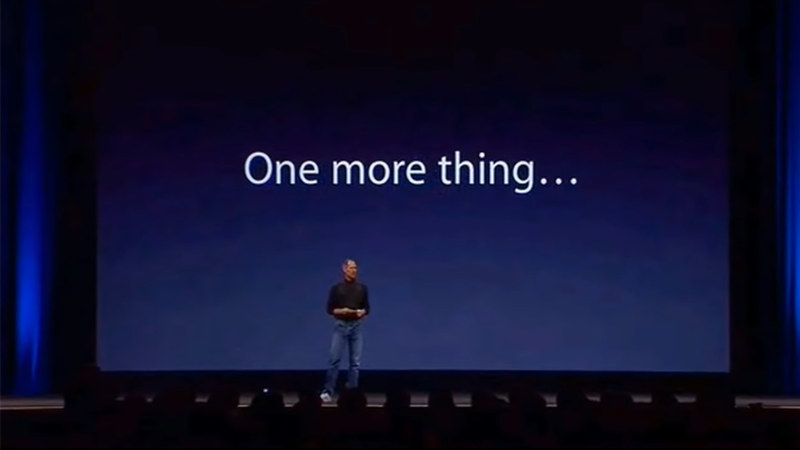
Office Space came close, but we’re actually surprised why Hollywood or Bollywood hasn’t made a movie on a developer who goes on a rampage after his/her project manager came up to the desk and said “Hey, one more thing..” and added another new, difficult task on their plate.

Website Development and Web Design Services

Yes, we know that priorities change during the course of the day and not every task list can be followed to the T in website development and design. But it makes the life of a developer easier if the smaller things in web design can be planned before the actual development begins. We’re talking about the last minute, unclear requirements that crop up once the demo is ready.

Too many last minute additions and that “Just One More Thing” could wreck the code and further ruin the design philosophy of the entire product. One product cannot please all!

5. People seeking “tech co-founders”

Ever wondered what do developers talk about and laugh out loud with their other developer buddies during lunch break or around the water cooler? It’s the number of times they have been asked to join hands with their ‘non-developer’ friends as the “Tech Co-Founders” for their “Path-breaking Digital Solutions” company.

Jimmy Speckman

No, we haven’t lifted a scene straight out of The Big Bang Theory (Remember Jimmy Speckman and his great 3D glasses idea?). Developers absolutely hate it when their friends and families expect them to build products and softwares that fulfill their wild fantasies, and further accept the fancy titles given to them for being the “co-founder” of the startup.

Ever wondered why? Because people who approach developers to join their start-ups as their tech co-founders have absolutely no idea how web development works and they are the ones who have watched “The Social Network” and got inspired to create the next big tech idea.

And no, this wasn’t a rant by our tech lead, but just an ode to all the talented and hardworking developers around the world who have worked with us and are working with many other companies, having developed some of the best products. We hear you guys, and you all are awesome! And oh btw, in case you were looking for a web design company to work with in Ahmedabad that just gets it, you know who to contact 🙂

Categories
Ecommerce

Upselling & Cross-selling to increase sales on your Ecommerce website

Indians spend close to 6 hours every day on the internet. And 50% of the overall online traffic is on online shopping websites looking for products and services. While this trend has gotten a lot of small businesses to start selling online too, many still lack the marketing strategy to capitalize on this trend. And to stand out amongst the multitudes selling online.

As a digital agency in Ahmedabad, focusing as an ecommerce website development company in Ahmedabad, Flora Fountain, always suggests its clients to start upselling and cross-selling online as a part of their digital sales strategy. In short, this means building features on ecommerce websites that encourage customers to add more products to their cart during or even post checkout. But, what is the difference between upselling and cross-selling? And how can they be used more effectively to increase the size of each transaction and retain customers? Read on…

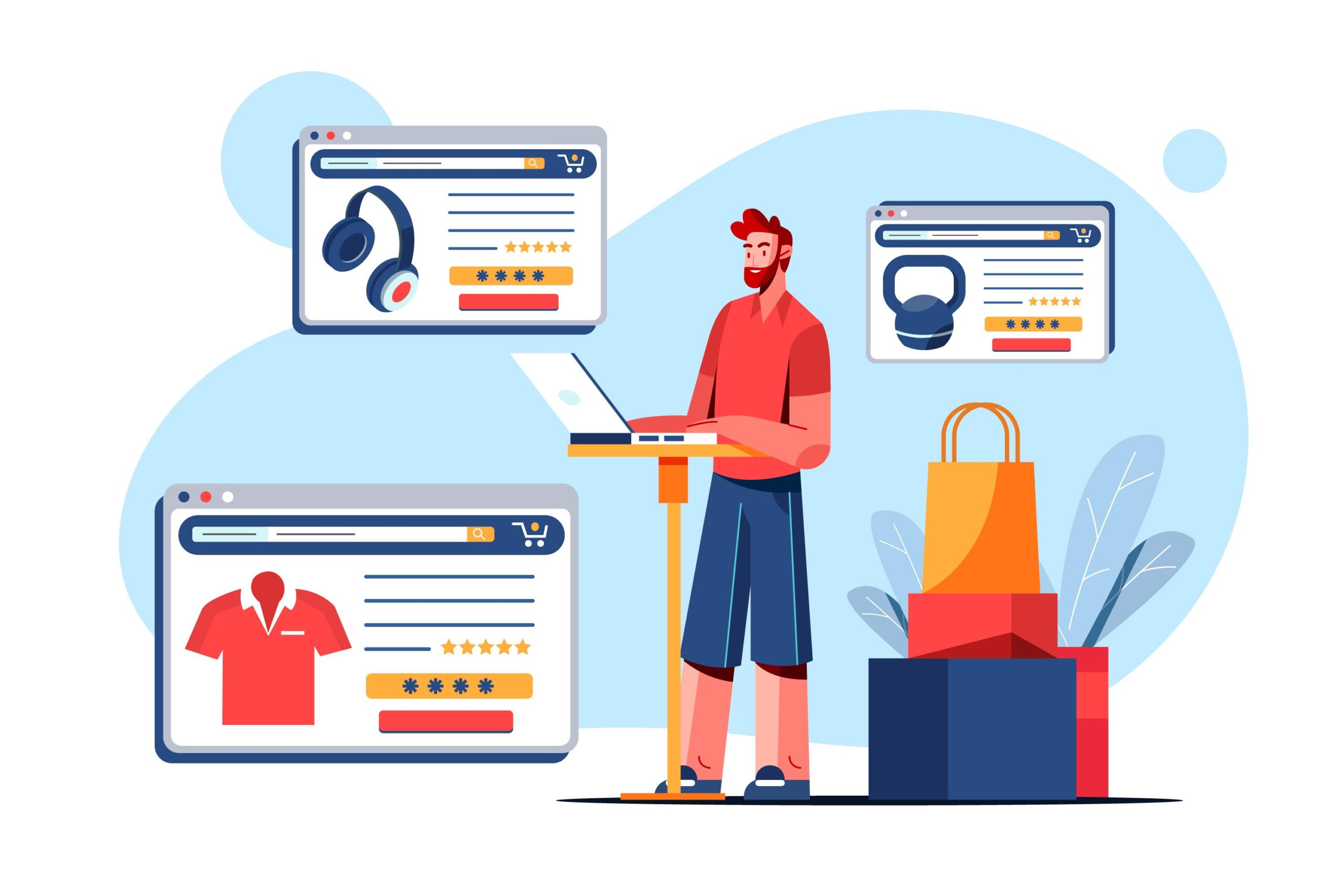
Upselling and cross-selling are commonly confused, but there is a key difference. While upselling focuses on increasing order value, cross-selling involves making a recommendation adjacent to the original product. So an upsell is more of an upgrade, whereas a cross-sell is a whole other purchase.

Wait, wait… Let’s try it with a more relatable example. When a hungry customer orders a burger at a McDonald’s, the guy on the other side of the counter says, “Would you like some fries to go with it?”

That’s a cross-selling pitch. Now, if the counter guy had said, “You can make this a Big Mac for just X rupees/dollars”. That is an upselling pitch. With the world going digital (yes, we’re not going to stop saying it!), brands can implement the same sales strategy on their websites too… Here’s how!

Shop the look

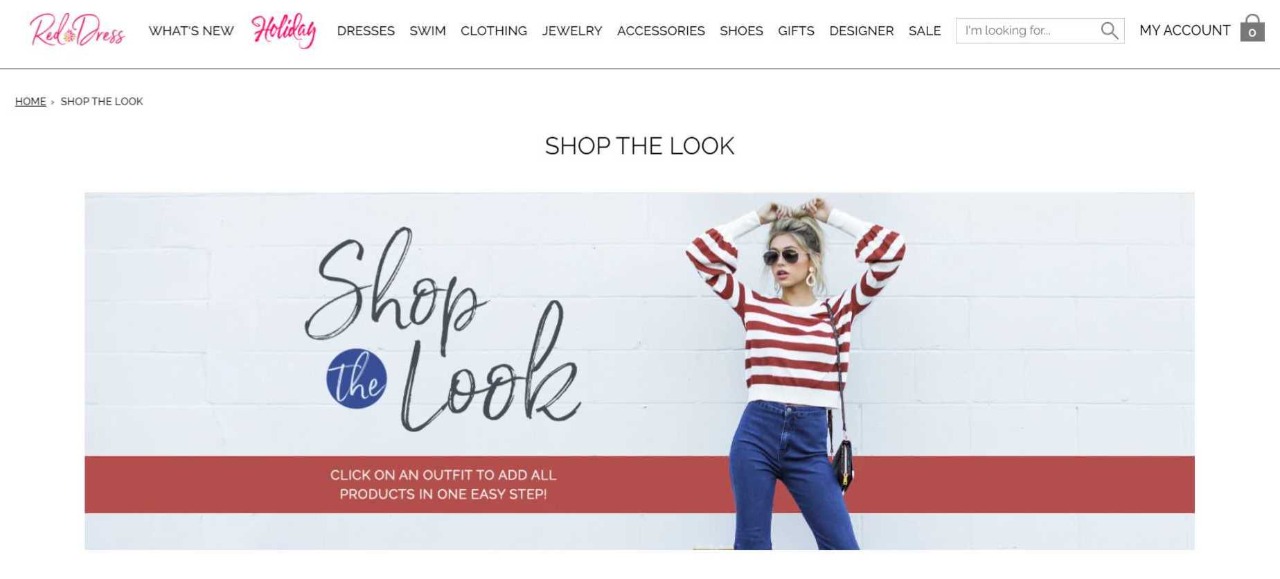
This technique works well for fashion and lifestyle brands. When a visitor selects a product, say a shirt or a kurta, then the display page will show a small module right below the description, where a high definition picture of a model wearing the said shirt/kurta, along with a jacket, trousers, shoes and sunglasses. Now, this technique should be used when all the products in question are available on the website.

reddress-landing-page

Brands like FabIndia, Ray Ethnic and major ecommerce players like Amazon and Myntra use this method of cross selling heavily to increase the cart value of the visitors on their page. Plus, the customers benefit from this, as they get their desired outfit ready to pick and delivered to them for a flat rate of shipping.

Use side-by-side comparisons

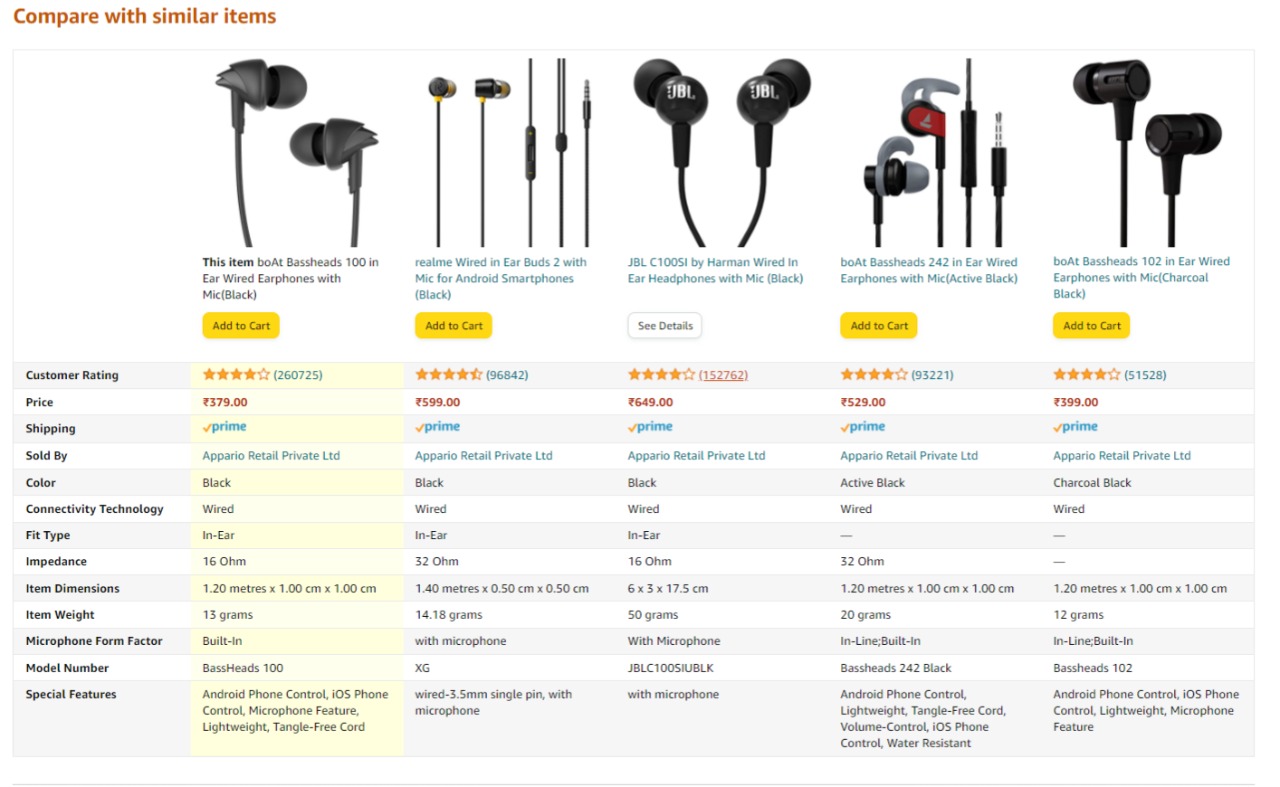
This is a great method of upselling, mostly used by brands that sell electronics and electrical products, where upgrades matter a lot. Let’s take an example of a mobile phone purchase here. When a customer selects a mobile phone model by Samsung, with specific features involving storage, processor speed, camera quality, etc, he/she is shown a module with a slider consisting of similar mobile phones from the same and different brands, but a slightly upgraded version with an increased price.

amazon-compare-list

Since the placement of these products are such that the viewer can immediately compare the look and feel, and the features of the phone with the price difference, there are high chances of him/her picking the upgraded model as they won’t mind shelling out a few extra bucks for a better model.

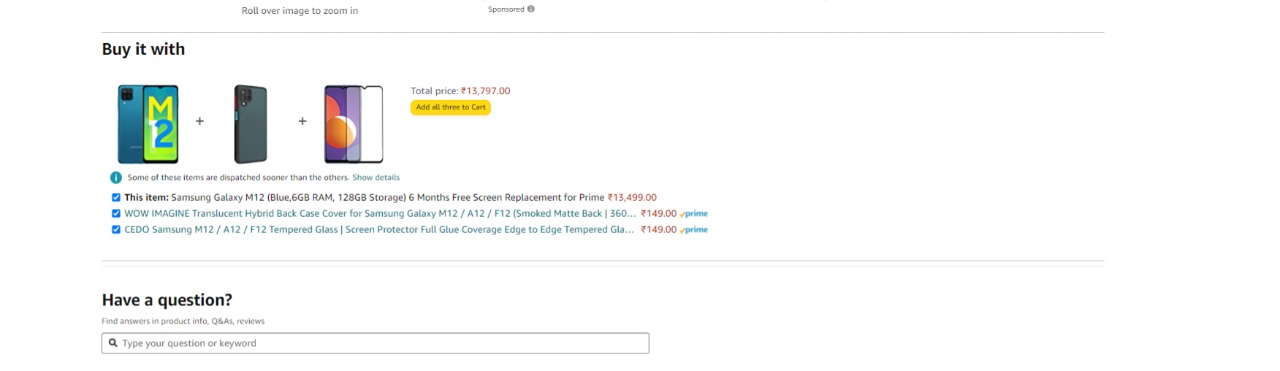
Frequently bought together

amazon-Q&A

The idea here is to sell supplementary products. Yes, it may sound like the earlier point, but this one applies to almost every type of product, from food, fashion, electronics and even services.

Amazon.in does this the best, even for the smallest product on their website, they will have a suggested product ready to be pitched on their product landing page. For instance, simply try adding peanut butter to the cart. Immediately, you will see the suggestions below, of multi-grain bread and even a butter knife with the title Frequently Bought Together.

Chances are, the customer would add the entire bundle to the cart just like they did for the Shop The Look.

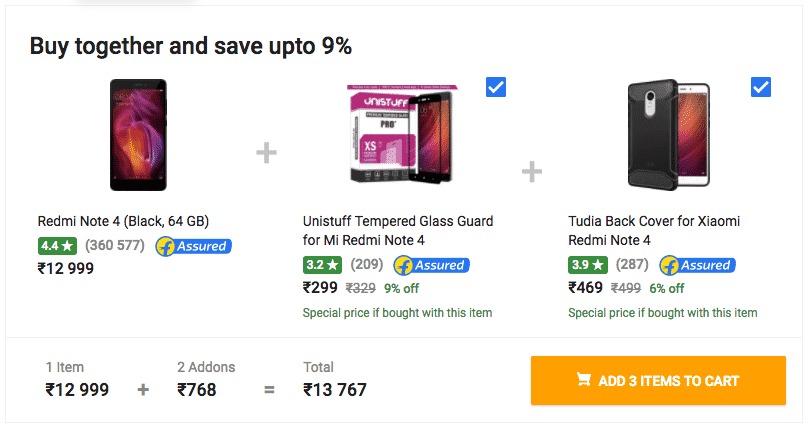
Bundle discounts

Let’s not deny the fact that everyone loves discounts! We’re pretty sure even the richest man in Asia looks for discounts on the peanut butter he orders. Bundle discounts work great when pitched together with the Frequently Bought Together or Shop The Look technique.

discounts on Products

Why does this technique work? Because when a customer buys Product A and Product B separately, he/she might have to pay full price and even separate shipping costs. But when they are offered the main product and the supplementary product for a small yet attractive discount, it forces them to take the deal, since they calculate the discount and the flat shipping rate as savings on the purchase, while the seller gets to increase his/her cart value.

Executing a successful upsell and cross-sell campaign will not only increase the average order value but also improve customer retention. Now that you know how to increase your online sales with such simple tricks, get started!

Or, how about you relax and watch the numbers grow, by hiring ecommerce website developers from the leading software development company, Flora Fountain! Drop us a hello here!

Categories
Social Media

Advertising on Social Media: Why you need a separate game plan

Who would have thought that the platforms created to let people share stories from their lives through pictures and videos would turn out to be such great tools for audiences to discover new products and services and for brands to find these new audiences. And the pandemic has only made it more so!

It is time to go deeper into the social media rabbit hole.

Social media marketing and social media advertising. Always knew they were different, but didn’t know who to ask? Read below for some insights from Ahmedabad’s best digital marketing agency!

First things first, social media marketing is purely organic activity, which involves posting pictures, publishing stories, responding to comments and inquiries on messages and sharing the posts in various groups and communication channels.

While social media advertising comprises all paid marketing activity on various social media platforms through the means of sponsored posts and boosts, done over and above the usual social media marketing activity such as posting and creating stories.

While there is an overlap between the two in terms of results and goals, advertising on social media is a different ball game altogether, with targeted budgets, a keener understanding of target audiences, and a smart selection of the content that should be boosted.

Because of the difference in strategy and skills required for the two, the top advertising agency in Ahmedabad suggests that a mere social media strategy or calendar does not cut it for a brand. Serious brands must have a separate game plan for the two. Read on to know why and everything else about social media advertising.

WHY ADVERTISE ON SOCIAL MEDIA

Social media advertising is an all-encompassing format of marketing for a brand. Since social media is a place where the people are a bit chilled out, it gives marketers the opportunity to go out of their way with creativity to make their brand stand out.

The regular advertising in the digital world includes the usual suspects, like pay-per-click ads, website display ads, video popup ads, digital billboards, etc. But social media has promotions and boosts, which offers them great flexibility in tweaking the audience, its reach perimeter, the budgets, and putting a pause or restart as per the brands requirements.

Even the best digital marketing agencies in India believe that organic reach is hard to achieve, hence if a brand has the bandwidth and resources to spend, they must consider social media advertising for quick win and turn around.

HOW TO ADVERTISE ON SOCIAL MEDIA

Different platforms have different ways to let businesses and individuals promote themselves and their services to a large swathe of potential customers with interests that align with what they sell.

Listed below are the various kinds of paid promotions a brand can run on different platforms.

Twitter Promotions

With Twitter Promote, the Twitter algorithm automatically promotes Tweets to the brand’s specified audience. It promotes the first 10 daily organic Tweets that pass the Twitter quality filter. It also promotes the brand account to attract new followers.

Marketeers can focus on up to 5 interests or metro locations, and let Twitter do the rest. Unfortunately, with this feature, marketers can’t choose which Tweets to promote. (That’s why creating great content on a regular basis for every platform is important).

Facebook Ads


Facebook Ads
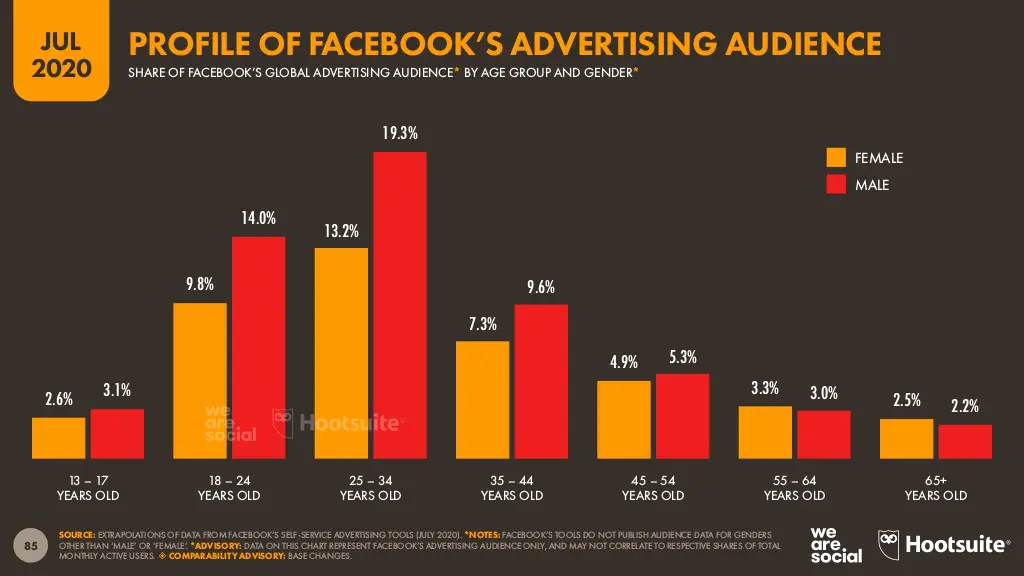
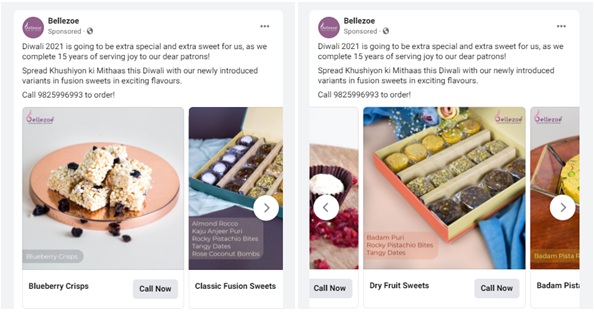
With over 2.45 billion monthly active users, Facebook is popular across many demographics. Just as many teenagers use Facebook as their parents—and seniors are quickly catching up. With ads, brands can direct users to its Facebook Page or the website as a part of the sales funnel. One such great form of advertising is Carousel ads on Facebook timelines.

Carousel ads work well to showcase different features of a product, or to explain a step-by-step process. They’re also a great way to present multiple products or services.


Showcase a Variety of Products
Sometimes, brands can showcase a variety of products in a single carousel chain, and every picture can have a customised purchase or inquiry link. This way, it can not only be a great sales and data collection tool too.

Instagram Promotions

Instagram is most popular with millennials, they say. Well, this platform is popular with people of all generations. Instagram has millions of Gen Z and GenX too, who create and consume content in the form of posts, reels, videos and stories.

Instagram currently has over 1 billion active users, a large majority of them using the app on their mobile phones. What’s interesting is that 71% of their demographic are users who are under the age of 35, who spend an average 53 minutes per day.

And what more, post the pandemic, where online sales have taken off and crossed the stratosphere already, it was found out that 80% of consumers use Instagram to help them decide on a purchase.

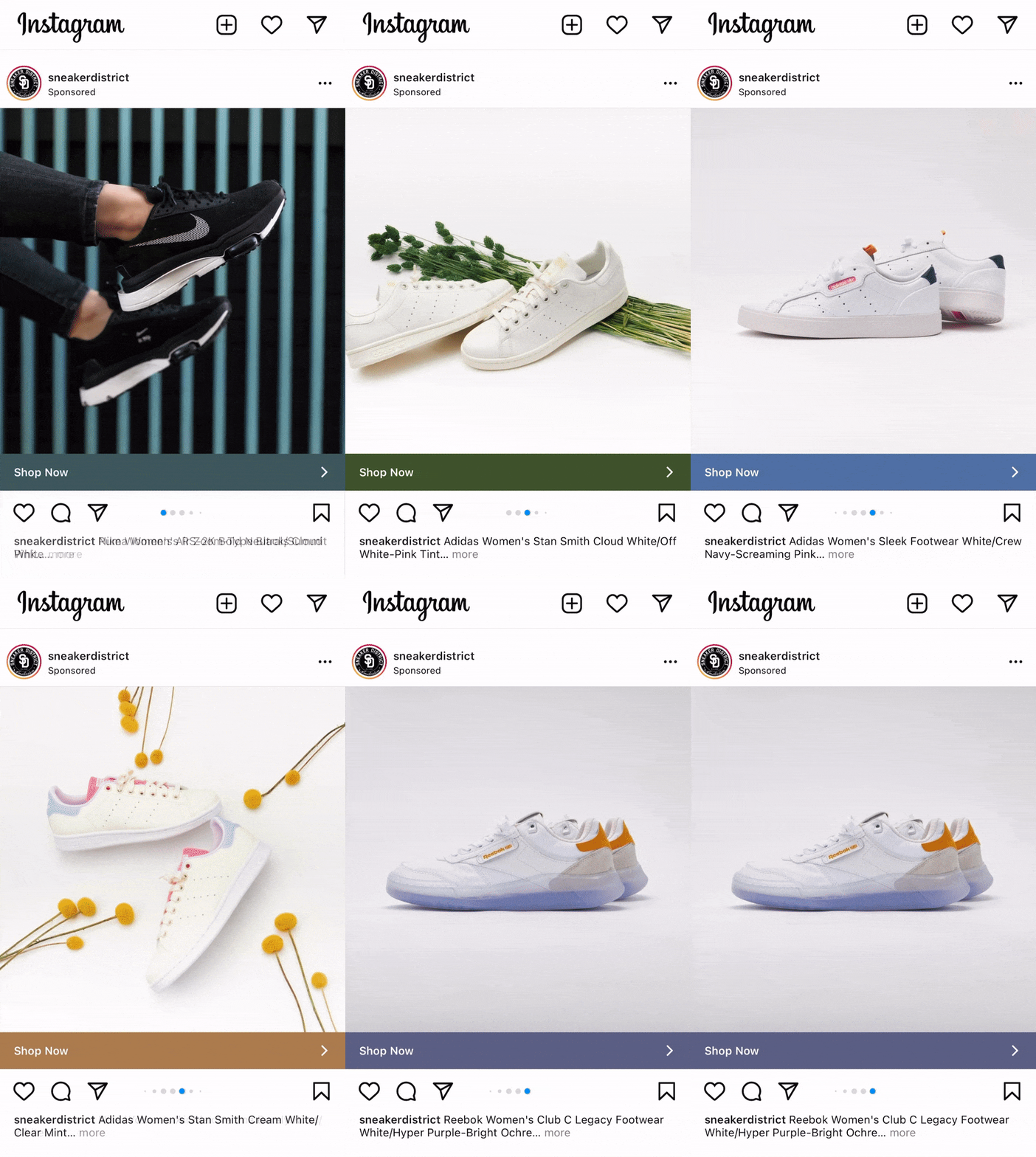
Just like Facebook, brands can target their ideal viewers with customised targeting options. Create lookalike audiences, define the audience’s behaviors and activities, interests, and demographics.

Seen above is a great example of a carousel ad on Instagram, that blends in smartly with the other content on the feed of the Instagram users.

Instagram Promotions

YouTube Promotions

Let us start by sharing a startling fact about this video streaming giant. YouTube is the second most visited site on the internet, and netizens consume close to 6 hours of video content every day.

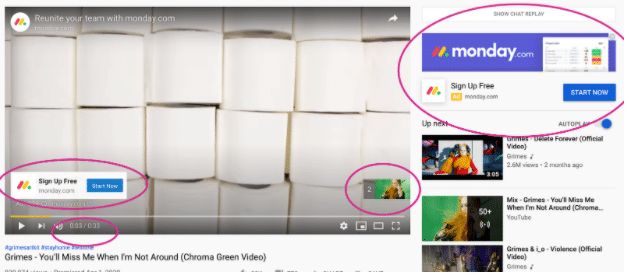
Advertising on YouTube requires a Google Ads account, using which it uniformly helps brands create ads on multiple spots on the YouTube streaming page.


YouTube Promotions
The different types of ads on YouTube include short clips that play before the actual video, banner ads that get displayed on top of the playlist and clickable links that display in the corners of the screen.

Brands can set their budget and target the desired audience on specific YouTube channels. There’s no minimum price to run an ad – and brands can change their ads, targeting and budgets at any time.

LinkedIn Boosts

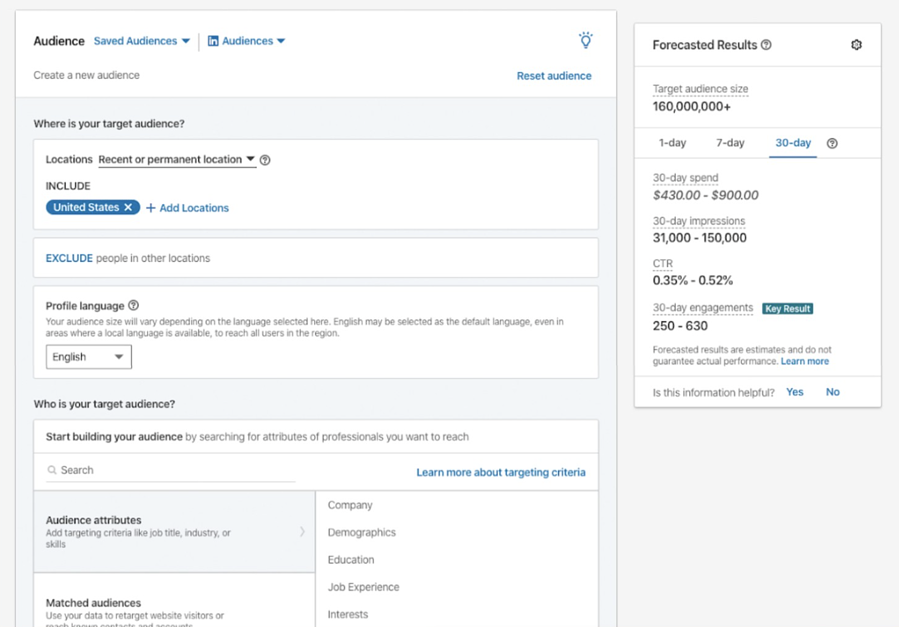
LinkedIn is much more business-oriented than other social networks in this post. It offers targeting options based on professional qualifications like job title and seniority.

Single images, videos, or carousel ads are all different options for sponsored content advertising on LinkedIn.


LinkedIn Boosts
Brands that are looking to target talented individuals to join their workforce, hiring agencies that have a large number of positions to fill, or companies who wish to talk about their achievements and attract more followers whose interests align with their brand, ideally choose LinkedIn Boosts. It has been noted that boosting on LinkedIn costs way more than its peers.

Get started with Flora Fountain

The team of experienced digital advertising and social media marketing experts at Flora Fountain have paved the path to success for many local and national brands to tap into a large swathe of unexplored audiences online, especially on social media.

Drop us a line here and let us invite you over for a cup of coffee and a riveting conversation on your brand’s future online.

Categories
Social Media

The ultimate guide to LAUNCH a product on social media

Remember the last time you scrolled through your Instagram feed and thought “Hey, how did they know I was looking for this sneaker/hoodie/blender/fill in the blanks?” More and more people are discovering new products and services online through social media, over traditional methods of discovery like TV ads, newspaper ads, hoardings and billboards. And this is even more true after the pandemic, with an increasing population comfortable spending time and money online.

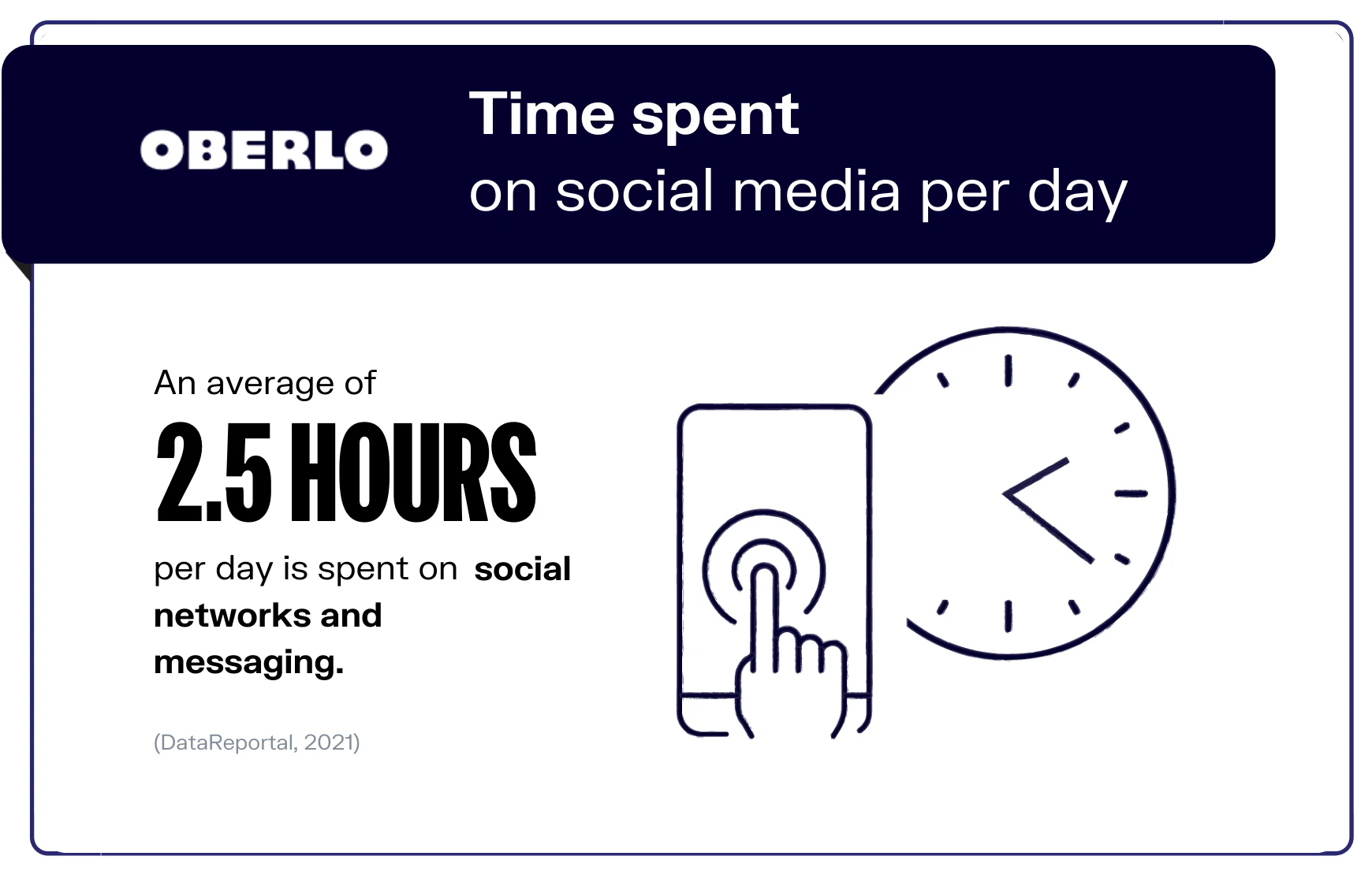
So it is imperative, when a brand has a new product ready for launch, to create a big buzz online. Brands have to get people curious about the product and the idea behind it. However, with over 3.6 billion people active on various social media platforms, spending an average of 2.5 hours every day scrolling and messaging, there are chances of a brand’s messaging getting lost in the din and noise made by almost everybody online.

So here’s the ultimate cheat sheet (or guide, if you will) created by India’s top social media marketing agency, Flora Fountain, to make some noise, stand out and attract the right eyeballs for a new product or brand launch online.

1. First thing first, Identify the audience

The first thing a brand must do before planning a new product or starting any form of marketing activity for its launch, is to understand “WHAT DOES THE MARKET WANT?” and “WHERE DO WE FIND THIS AUDIENCE”

It starts with market research, where the ideal customer is identified based on various demographic points like age, gender, interests, income, region, etc. It can start from something as simple as a Google search of a product similar to the one about to be launched by the brand. Simply going through the kind of people that the competition brands are addressing through their content, images, and the reviews on their shopping platforms can give a rough idea about the ideal customer.

If the product is targeted towards young people in their 20s who love following trends, then Instagram is the place to find them (well, isn’t everyone on Instagram now!). If the product is more service-based, priced higher and is targeted at a somewhat older audience, Facebook can be the place to target such an audience. If the target is business communities, or art lovers, or musicians, there is a platform for these too. But it all starts with knowing who the product, service, brand or idea is meant for: the OG TG.

2. Plan out the online content calendar

Ray Ethnic Fashion Brand

Having a launch timeline is very important for the brand to chart out every move, every post on the various digital platforms it is active on. While it may sound like a task as easy as taking a picture and posting it on Instagram, Facebook or Pinterest with a caption stating check out our newly launched collection, it is way more than that…

Think about it, the product pictures needs to be clicked, they have to be named (if not done), banners and creatives for website pages and posts are to be made, captions as per the platform (hashtag heavy for Instagram, long yet linked for Facebook and short and sweet for Pinterest)

are to be written, promotional email drafts have to be created, SEO work is to be done, special social media promotional content for boosts are to be made… Phew!

Yeah, that’s right… All that, apart from the regular, in-store or outdoor marketing campaigns. Here’s a look at how Ray Ethnic, an Ahmedabad-based ethnic fashion brand recently planned their product launch. Simple, minimalistic & to the point.

Plan out every piece of content that will go online, from the teaser to the launch to the product showcase. Yes, it takes time, but then actual work becomes a piece of cake.

3. Start creating a buzz

Social media is such a powerful tool, it is scalable, cost effective, provides great creative freedom to experiment, and the best part: The people are there, online!

And one of the best ways to get started with the promotions is by generating curiosity among the people online, on platforms like Instagram, Facebook, Twitter, Pinterest and even LinkedIn (if the brand has an audience there).

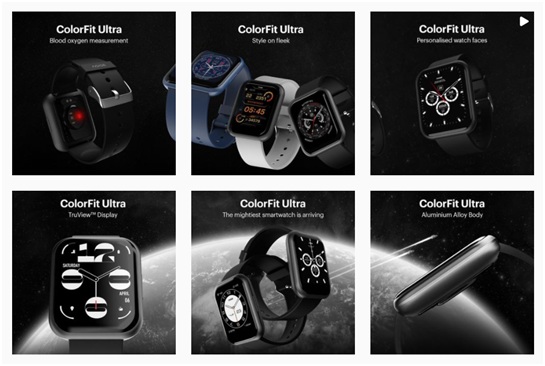
Start with Coming Soon posts like these:

Give the viewers a sneak peek on how the product is going to look like, what it is for, why it is unique, etc. This is kind of teasing the customer, by showing parts or some element of the product as a preview and why they should look forward to it.

Coming Soon Posts

Next, you can create countdown posts that usually say, ‘2 Days to Go’, ‘1 Day to Go’, etc. These kinds of promotional content create a sense of anticipation among the followers and the customers and they stay tuned with the brand page on social media.

And finally, post the launch, a giveaway or a contest can be run through specially created posts to boost up the engagement on the page. Wondering why? Because when the page gets maximum engagement, the posts are visible on the Explore and Suggestion sections of non-following people online who may have similar tastes in the product.

4. Get creative with hashtags

Another great way to make waves around the social media about an impending launch is by creating a unique hashtag which gives a hint of the product and the brand, while leaving the users and followers guessing on what it could be.

While creating a launch hashtag, these three points should be kept in mind:

  • It should be precise
  • Don’t combine more than 3-4 words together
  • Try to write it in Title case, to make it easy to understand

By creating a hashtag, they instantly highlight the content that’s related to the launch and reinforces the brand identity. Further, it helps followers to tag, share and participate in the launch activities and post pictures of their own which are connected with the brand.

5. Make the splash: The launch

The launch has to be timed in such a manner that the product/s must get revealed on all social media platforms at the same time. This is where the advance content planning as mentioned in the first point, comes of great help.

Since Instagram and Facebook both fall under the same entity, it is easier to plan and schedule posts around a specific time, using custom content, hashtags, CTAs, etc. While Facebook has its own Creator Studio platform to manage Instagram and Facebook pages, there are other third party platforms like Later and Hootsuite for LinkedIn, Google Business and Tweetdeck for Twitter.

Creator Studio platform

Flora Fountain, one of the best social media agencies in Ahmedabad suggests that brands should ideally boost these launch posts for maximum visibility and opportunity to showcase their products to newer audiences. While it is simple to create an Ad Account using Facebook Business or AdSense for Google platforms, it is advised to get the top digital marketing agency on board to share the burden of tracking, analysing and strategising these paid promotions online.

OR

Plan a staggered launch
Unlike the one time big splash launch, a staggered launch is done by revealing the products one after the other or as batches, in stages. The rollout of the products can go on for weeks together instead of putting everything out for sale on the launch day.

Remember how smartphone giant Apple launched the iPhone 12 in two stages? While the original reason behind this exercise was the supply chain disruption due to the global smart-chip shortage, the marketing teams of the brand decided to launch the smaller versions of phone in the first stage, and the bigger and pricier versions along with its upgraded version of accessories just in time for pre-christmas sales.

This way, brands can not only keep the conversation going, but also tap into multiple points of high sales, like the festival and holiday seasons.

6. Have your analytics in place

Instagram Reach

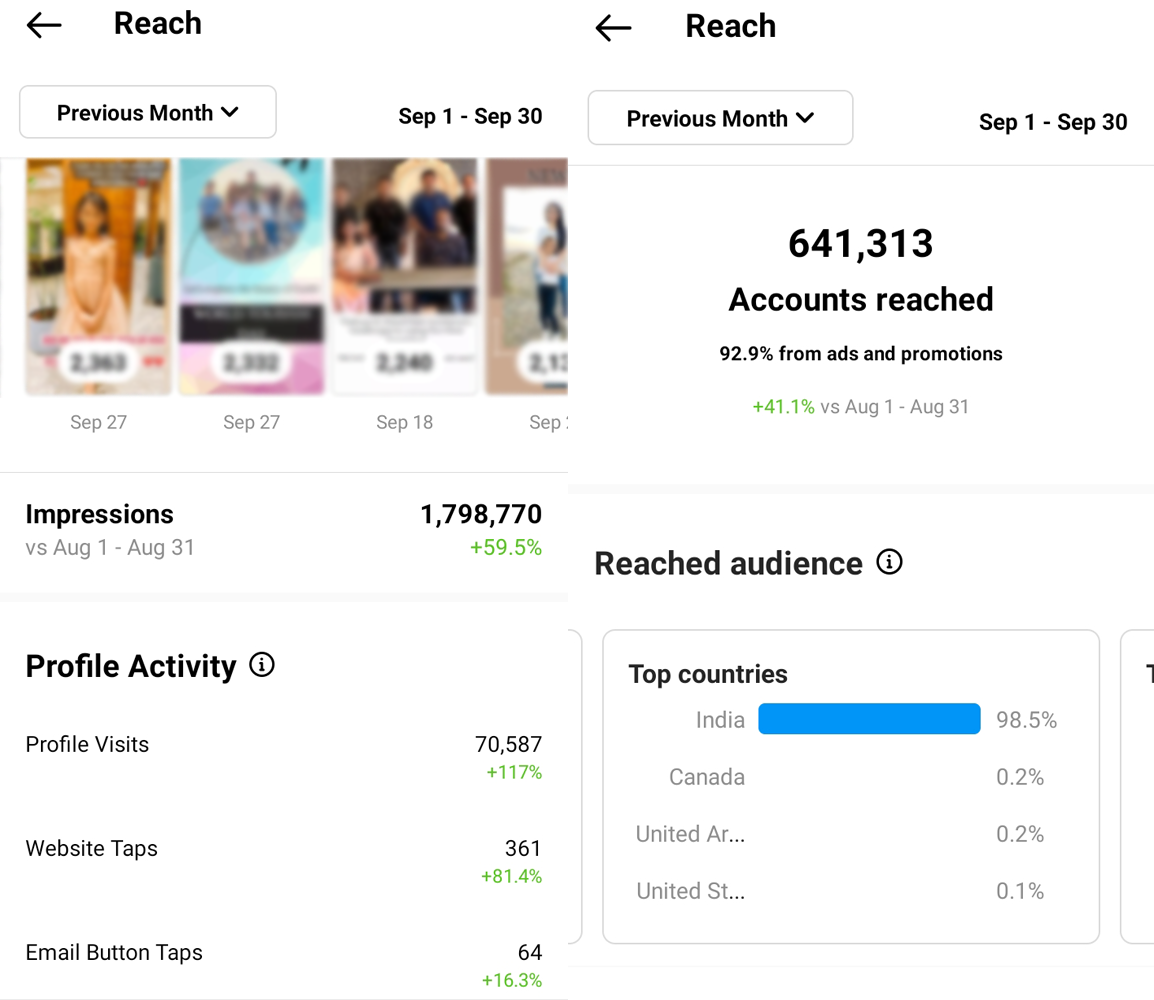
The true success of a launch or really any digital activity lies in the data. A brand should have the tools to identify the right metrics, evaluate the various milestones during the launch at regular intervals and then do a comparative study with its goals.

Before the launch, set up a cross-channel social media analytics dashboard using tools like Google Analytics, HubSpot or Sprout Social and connect the various platforms where the launch will take place,

i.e. Instagram, Facebook, LinkedIn. Of course, each tool also has the inbuilt insights or metrics for views, clicks, conversions for brands to identify which piece of content and strategy and worked and what didn’t.

It allows tracking of various metrics like hashtag performance, region-wise visitor activity, post reach and engagement, etc. This way, brands can make informed decisions in terms of allocating budgets to campaigns, tweaking the target audience to ensure a successful launch.

Google Analytics Report

7. Keep the conversation going

Post launch, the brand must keep the momentum going through various forms of audience engagement. Because all that buzz generated post the legwork done to get the product launched, must not fizzle out in a week’s time.

Continue publishing content related to the product, the salient features about it, it’s availability online or offline, and how the response is (only if it is positive). Encourage followers and customers to tag the brand with their product and reshare them on the pages, giving the users some free publicity too.
Ray Ethnic Hits

Something again Ray Ethnic hits the nail right on the head with its popular post launch campaign #RayOnYou. Thanks to some smartly planned celebrity endorsement, now even regular customers post regularly with outfits purchased from Ray.

Always keep a close eye on your mentions and customer questions on the comments, respond to them within 24 hours, negative or positive. This will not only give the brand image a boost, but organically push the posts on the explore feeds of social media timelines too.

Now that you have the ultimate guide to the perfect social media launch, get started right away. Or, how about you let the experts do the job for you. Drop us a line on hello@flora.ffteam.in or click here.

Categories
Content Writing

Content Marketing vs Content Writing: It’s different!

EVERYTHING is CONTENT!

The 50 billion pictures on Instagram, the 500 hours of videos uploaded on YouTube every minute and the 7.5 million blog posts published on the internet. But many still believe content is just writing, thereby mixing up the ideas of Content Marketing and Content Writing.

As a content marketing agency in Ahmedabad, Flora Fountain has had days where their writers and digital marketers had to explain the difference between the two ideas to almost every person (even clients) that they meet.

Frustrated writing writers

So, here’s all the tea, to understand what exactly is content, and the difference between content writing and content marketing.

CONTENT

Content making blog

Content is information, art, ideas and experiences, expressed in the form of words, pictures, speech, graphics or moving visuals published either digitally or on print, for an end user to consume.

Okay, okay… Let’s try putting it in simpler words, shall we?

All kinds of photographs, blogs, articles, captions, ad copies, videos, reels, music, podcasts, graphic design or animated visuals are content.

And the internet is an ever flowing stream of content, good, bad and ugly!

CONTENT WRITING

Content writing is all about putting ideas into words, creatively and in a simpler form. Writing content can be something like an advertisement copy of just 5 words, or a thesis of 5000 words. And in digital marketing, some of the best content writing companies produce written content in the form of captions for social media posts, marketing copies for online promotions, content for websites, blogs like this, articles for newspapers and magazines, copies for print ads in magazines or hoardings, or even scripts for videos.

Content writers include bloggers, brand journalists, copywriters, ghost-writers, SEO writers, technical writers, etc.

CONTENT MARKETING

Content marketing is basically marketing to strategically promote a brand or business on a digital platform, using smartly created content like blogs, pictures, creative posters and videos.

IT IS NOT JUST WRITTEN COPY! But yes, written content does play a crucial role in content marketing, as every great marketing idea first comes to life in the form of a copy.

Content marketing is done through blogs, case studies, emailers, social media posts, video, website content, articles, ad copies, infographics and a lot more.

To sum up, Content Writing involves creating various types of written products, which can then be used to produce other forms of content and further implemented into Content Marketing to promote a business or a brand.

So, how does one write content that is ideal for marketing?

1. Put the audience first

The content should address the target audience. It should talk to them about their problems and perhaps possible solutions. If the content cares about its intended audience, it will make the audience care about the messaging too. Readers connect with content that understands them, their needs and provides them some kind of value, either as information, education or entertainment.

2. Tailor the content

A business can never sell its products if the marketing content doesn’t speak the language of their target audience. A local brand can use the local language and sometimes even street slang (where applicable) in addressing their customers, a B2B brand must sound more formal.

3. Links to the brand

The content should create recall for the brand, its services, products or team, in an organic and authentic way. This is to be done to create a form of brand association with certain subjects in the readers’ minds. The end goal is to leave a positive and memorable imprint about the brand on the reader.

4. Draws the reader towards the business

It is important that the content must have more than one call to action prompt, to ensure that the reader is drawn towards the end of the sales funnel and eventually convince them to either purchase the product or provide some information as a valuable lead for the business.

Inform, Educate & Inspire through content, with us

If a brand wants to stand out on the Internet today, there is no space for mediocrity. This is the age of short attention spans and high speed internet. Only crisp, clear and SEO-friendly content that speaks both to a user and to a search engine can propel a business into the visibility of the constantly-scrolling audience on the world wide web.

It is advisable to seek the help of content experts, who have cut their teeth in the market working with the finest brand and have written content for audiences of all kinds.

As a top digital marketing agency, Flora Fountain provides content marketing & writing services in Ahmedabad and all over the country to brands and businesses of all types. Drop us a line, give us a call, and let’s have a chat over a cup of coffee and some mind-blowing ideas for your business.