
A common misconception among writers in this age of digital is that creative content writing and SEO content writing just don’t go hand in hand. But we, somewhat controversially, believe they can co-exist! HOW?!
First, let’s get some clarity on the basics.
- What is SEO (Search Engine Optimization) Content Writing?
Creating readable content for the web that ranks high on search engines, through the use of relevant keywords in the main body and the meta tags and title, multiple headers and bullet points within the article to break down the content, and interlinking them with other relevant articles and pages.
- What is Creative Content Writing?
This is where imagination takes flight and originality, the front seat. This is where a story is narrated to the reader, engaging them with every line, a chuckle here, maybe a gasp there, keeping them hooked till the end, delighting them with a conclusion that leaves them wanting more.
Now you might be wondering, how does one merge these two seemingly different schools of thought into a single piece of writing? Well, here’s how.
Know your keywords
One of the most common feedback website writers get is that their content does not have any of the keywords the client wants. This is a common problem when the blog is written by a separate team of content writers, only after which the SEO team kicks in for checking the SEO compatibility. Instead the SEO expert and content writer must work closely, right from the blog’s ideation to checking the keywords before its eventual publishing.
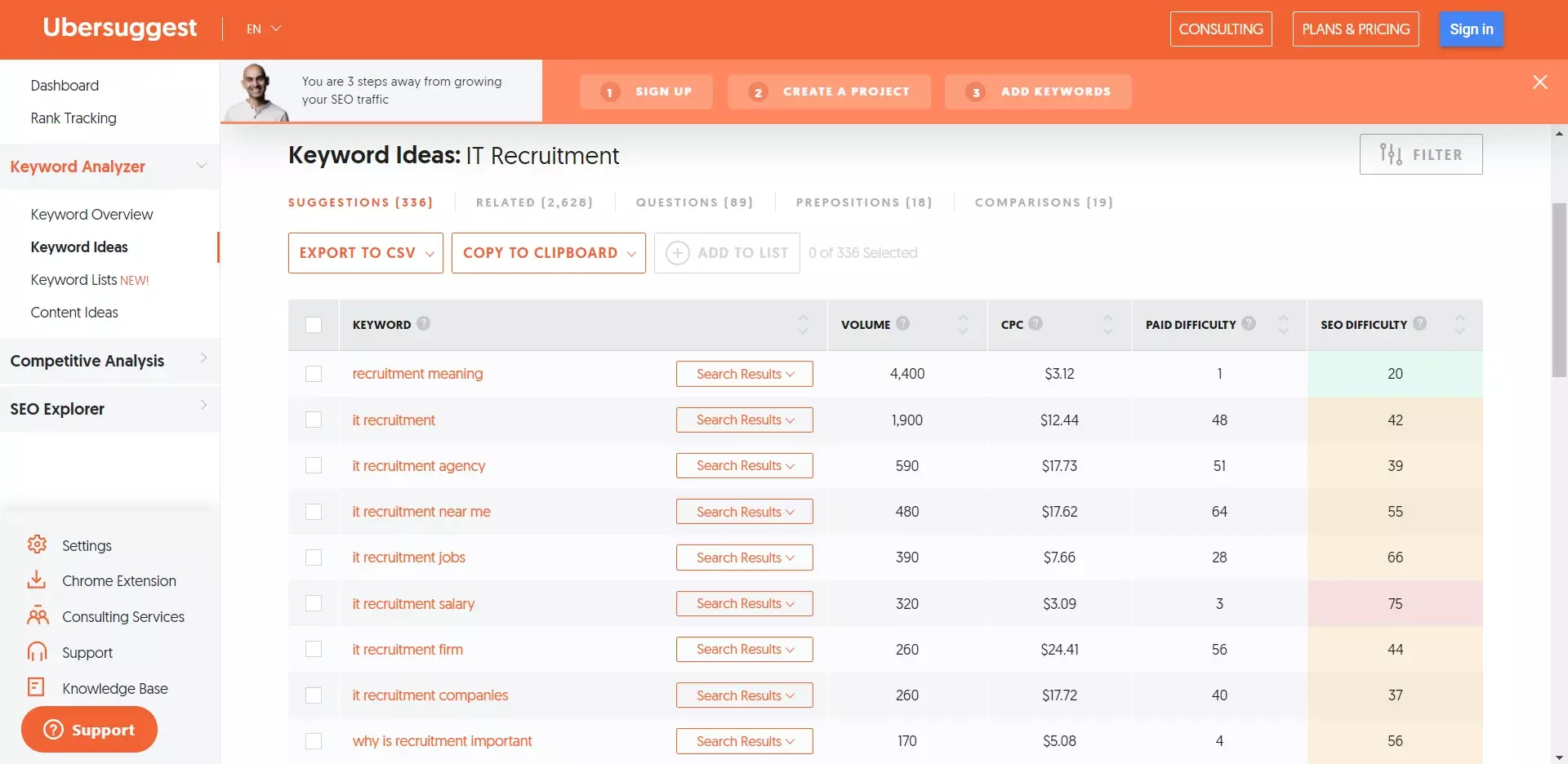
To elaborate, the team must first identify the keywords for a few months, as well as, the target audience. This is usually done by the SEO expert. Once done, these keywords are provided to the content writer and together the two can create a calendar of topics for anything from a month to 6 months! In case you don’t have an SEO executive and are operating as a solo writer, you can use tools like Google Keyword Planner, Ubersuggest or Moz.
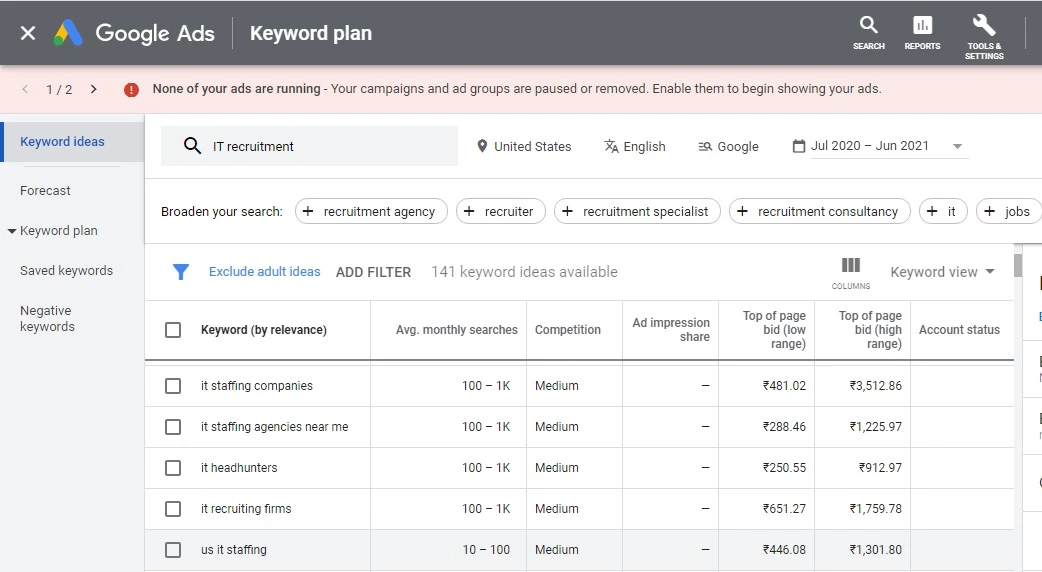
Enter the name of the industry or the topics you’re planning to write on, and the tool would suggest multiple keywords with their performance, relevance and ranking data too.
Keep it simple, silly!
Google cares for keywords. But the reader doesn’t look for SEO keywords, but for something that will keep them engaged, intrigued and delighted.
If the content is crisp and short and provides the reader with value as information or entertainment, the targeted audience is usually hooked. One of the best ways to do crisp writing online is through Listicles. Our minds have become trained to at least skim through an entire list, rarely leaving in the middle. And if something is interesting, we spend more time reading the copy, increasing the time spent on the website.
Moreover, overly complex, long sentences, peppered with repetitive words and phrases are a turn off not just for the reader, but Google too while ranking content for its search engine.
This is because search engines rank content that provide answers to the question asked by the viewer. The simpler and clearer the content is, the better chance it has to get ranked higher on the search window. Keep in mind, you are eventually writing for an actual person with an actual problem. The search engine is just the bridge between you and the reader.
- Keep your sentences short
- Highlight the topic using H tags
- Provide answers
- Make it easier still, use bullet points
(See what we did there?)
And to help with the SEO, apart from using a keyword or two in the copy, link them to a relevant source that backs your idea/solution.
With attention spans getting lower and so much content being available to us online, these tips help the reader keep engaged with the content instead of just skimming away.
Use relevant imagery with Alt Tags
Remember how we all loved comic books as kids? Remember, how our least favourite book in school would be the Math textbook?
Know why? Comic books were full of exciting imagery with captions, while that Math textbook was just a series of long explanations, confusing numbers and no pictures at all.
By adding great pictures, well designed artwork and fun GIFs to your blogs, you’re not only adding relevance to the content, but also keeping the reader hooked to see what comes next, kind of how Pixar does it.
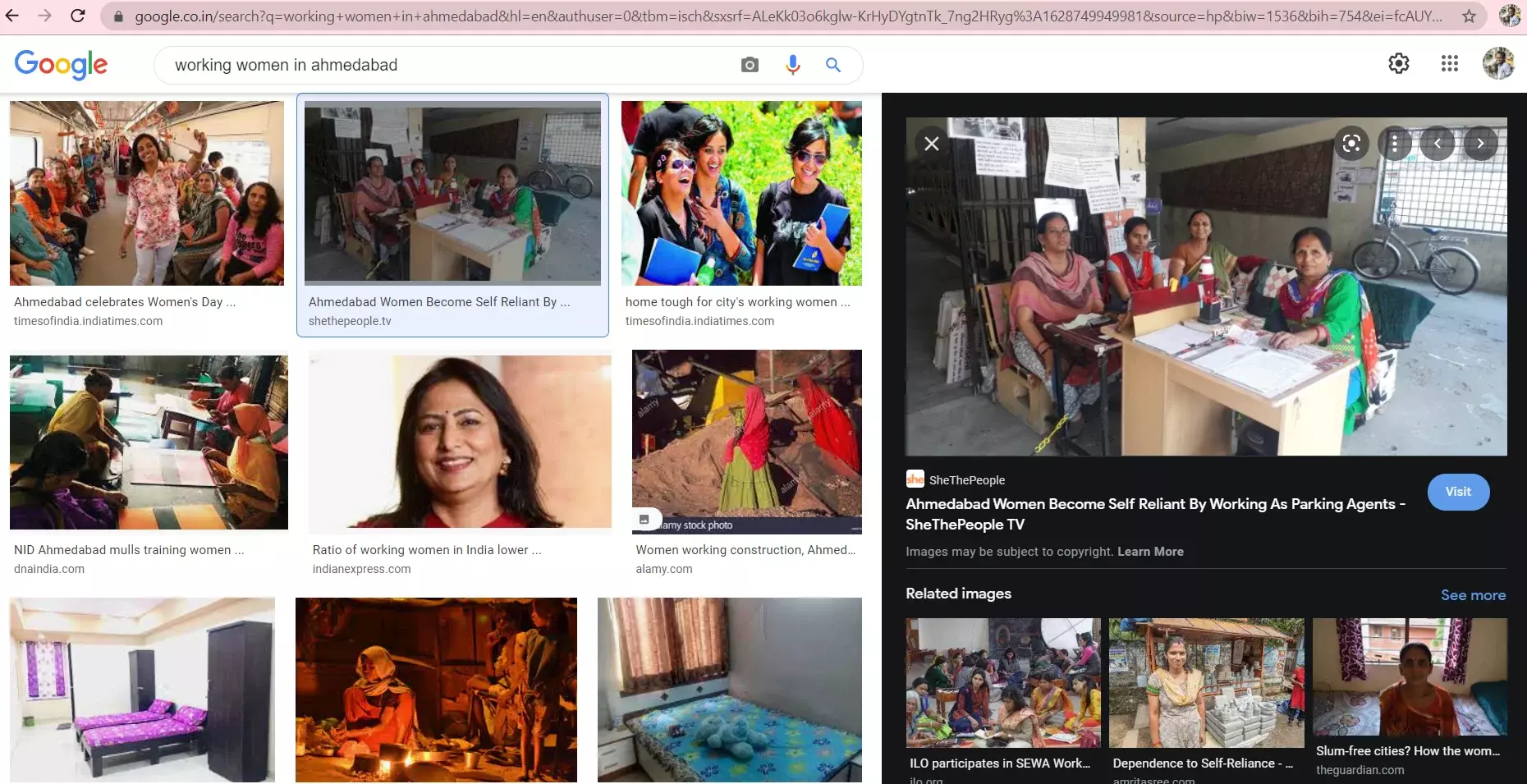
And what’s more, images help with SEO too. Of the 5.4 billion searches done on Google every day, millions of them are for images and videos. When you insert pictures and embed videos within your content with the right Alt Tags, they get pulled up on top, bringing the blog along with it.
Play a little … with Meta titles, headers, descriptions
Content teams are known to show little or no interest when it comes to “creating metadata” for their blogs. As they believe it is their writing that’s the hero here.
Ironic given that it is after all through the Meta Title, Headers and Meta Descriptions that people find the heroic content online. After all, what is the point of writing a riveting piece, if the audience it is meant for is unable to find it online?
But it doesn’t have to be all dry and clinical. There are great ways to soup up your meta content with the keywords. For example, when writing the meta description for this very article ::
The first is a very basic way to write a Meta description for this blog. While the second one does the same thing with a fun spin.
Meta data such as titles, headers and descriptions are the perfect vehicles for your keywords in, and the first place search engines look for when trying to index the content.
Whether it is website content, blogs or articles, here are the bits of meta information to ALWAYS have in each page of your online content:
- Meta Title of 50 to 60 words with your main keyword in it (Usually with a figure in it)
- Meta Description of 155 to 160 characters
- Multiple Headers consisting of 6 to 8 words
- Slug with all the keywords
Maintain the minimum quantity
How many words in a blog is enough? This is another point where the Team SEO and Team Content Writers can get into conflict. While writers seek creative freedom to write as much or as little as they want to express their ideas, SEO experts suggest that an ideal blog must be at least 800 words long.
Why? Because it gives enough room for both, the writers to let their creativity flow and the SEO experts to embed their keywords within.
Also, a short blog that ends abruptly leaves the reader disappointed as he/she feels that they’ve been left hanging. While a long blog makes them drift away and drop the blog halfway.
And here’s a fun fact, an average reader takes only about 3 minutes to read 800 words. Writing content being mindful of this fact, while keeping all others in mind, is the only way to write engaging content that ranks high! This is a practice followed by some of the best digital agencies all over the world, and definitely one of the reasons why Flora Fountain is known as one of the best professional content writing agency in Ahmedabad
So writers, make sure you follow these points while writing and working in tandem with your SEO team. Or, simply drop us an email and let the content experts of Flora Fountain do it for you!