Categories
Social Media

The ultimate guide to LAUNCH a product on social media

Remember the last time you scrolled through your Instagram feed and thought “Hey, how did they know I was looking for this sneaker/hoodie/blender/fill in the blanks?” More and more people are discovering new products and services online through social media, over traditional methods of discovery like TV ads, newspaper ads, hoardings and billboards. And this is even more true after the pandemic, with an increasing population comfortable spending time and money online.

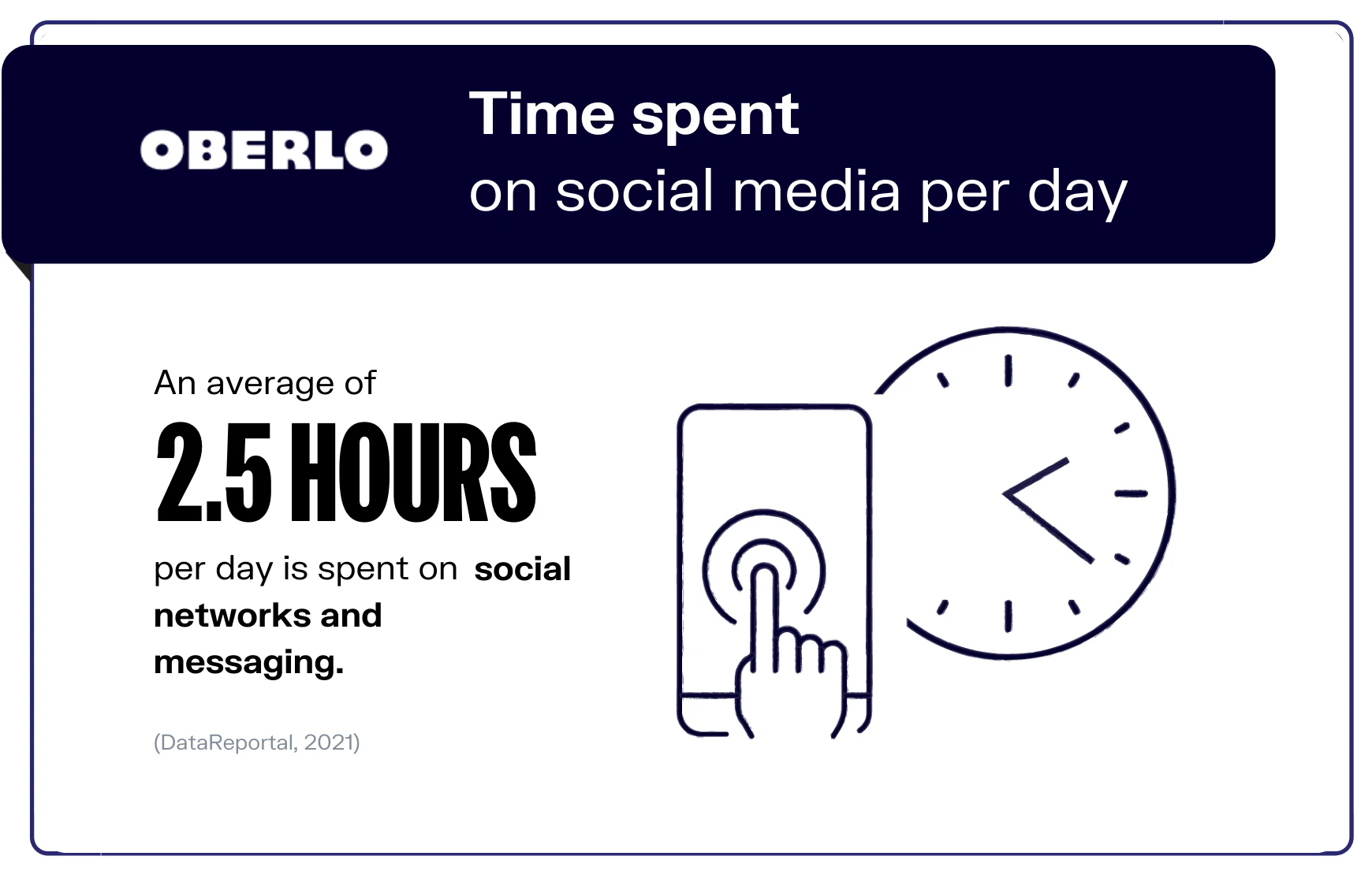
So it is imperative, when a brand has a new product ready for launch, to create a big buzz online. Brands have to get people curious about the product and the idea behind it. However, with over 3.6 billion people active on various social media platforms, spending an average of 2.5 hours every day scrolling and messaging, there are chances of a brand’s messaging getting lost in the din and noise made by almost everybody online.

So here’s the ultimate cheat sheet (or guide, if you will) created by India’s top social media marketing agency, Flora Fountain, to make some noise, stand out and attract the right eyeballs for a new product or brand launch online.

1. First thing first, Identify the audience

The first thing a brand must do before planning a new product or starting any form of marketing activity for its launch, is to understand “WHAT DOES THE MARKET WANT?” and “WHERE DO WE FIND THIS AUDIENCE”

It starts with market research, where the ideal customer is identified based on various demographic points like age, gender, interests, income, region, etc. It can start from something as simple as a Google search of a product similar to the one about to be launched by the brand. Simply going through the kind of people that the competition brands are addressing through their content, images, and the reviews on their shopping platforms can give a rough idea about the ideal customer.

If the product is targeted towards young people in their 20s who love following trends, then Instagram is the place to find them (well, isn’t everyone on Instagram now!). If the product is more service-based, priced higher and is targeted at a somewhat older audience, Facebook can be the place to target such an audience. If the target is business communities, or art lovers, or musicians, there is a platform for these too. But it all starts with knowing who the product, service, brand or idea is meant for: the OG TG.

2. Plan out the online content calendar

Ray Ethnic Fashion Brand

Having a launch timeline is very important for the brand to chart out every move, every post on the various digital platforms it is active on. While it may sound like a task as easy as taking a picture and posting it on Instagram, Facebook or Pinterest with a caption stating check out our newly launched collection, it is way more than that…

Think about it, the product pictures needs to be clicked, they have to be named (if not done), banners and creatives for website pages and posts are to be made, captions as per the platform (hashtag heavy for Instagram, long yet linked for Facebook and short and sweet for Pinterest)

are to be written, promotional email drafts have to be created, SEO work is to be done, special social media promotional content for boosts are to be made… Phew!

Yeah, that’s right… All that, apart from the regular, in-store or outdoor marketing campaigns. Here’s a look at how Ray Ethnic, an Ahmedabad-based ethnic fashion brand recently planned their product launch. Simple, minimalistic & to the point.

Plan out every piece of content that will go online, from the teaser to the launch to the product showcase. Yes, it takes time, but then actual work becomes a piece of cake.

3. Start creating a buzz

Social media is such a powerful tool, it is scalable, cost effective, provides great creative freedom to experiment, and the best part: The people are there, online!

And one of the best ways to get started with the promotions is by generating curiosity among the people online, on platforms like Instagram, Facebook, Twitter, Pinterest and even LinkedIn (if the brand has an audience there).

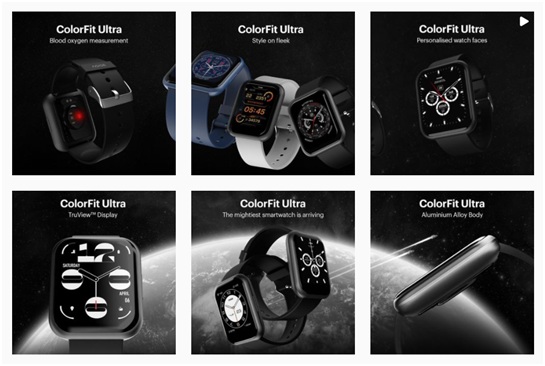
Start with Coming Soon posts like these:

Give the viewers a sneak peek on how the product is going to look like, what it is for, why it is unique, etc. This is kind of teasing the customer, by showing parts or some element of the product as a preview and why they should look forward to it.

Coming Soon Posts

Next, you can create countdown posts that usually say, ‘2 Days to Go’, ‘1 Day to Go’, etc. These kinds of promotional content create a sense of anticipation among the followers and the customers and they stay tuned with the brand page on social media.

And finally, post the launch, a giveaway or a contest can be run through specially created posts to boost up the engagement on the page. Wondering why? Because when the page gets maximum engagement, the posts are visible on the Explore and Suggestion sections of non-following people online who may have similar tastes in the product.

4. Get creative with hashtags

Another great way to make waves around the social media about an impending launch is by creating a unique hashtag which gives a hint of the product and the brand, while leaving the users and followers guessing on what it could be.

While creating a launch hashtag, these three points should be kept in mind:

  • It should be precise
  • Don’t combine more than 3-4 words together
  • Try to write it in Title case, to make it easy to understand

By creating a hashtag, they instantly highlight the content that’s related to the launch and reinforces the brand identity. Further, it helps followers to tag, share and participate in the launch activities and post pictures of their own which are connected with the brand.

5. Make the splash: The launch

The launch has to be timed in such a manner that the product/s must get revealed on all social media platforms at the same time. This is where the advance content planning as mentioned in the first point, comes of great help.

Since Instagram and Facebook both fall under the same entity, it is easier to plan and schedule posts around a specific time, using custom content, hashtags, CTAs, etc. While Facebook has its own Creator Studio platform to manage Instagram and Facebook pages, there are other third party platforms like Later and Hootsuite for LinkedIn, Google Business and Tweetdeck for Twitter.
Creator Studio platform

Flora Fountain, one of the best social media agencies in Ahmedabad suggests that brands should ideally boost these launch posts for maximum visibility and opportunity to showcase their products to newer audiences. While it is simple to create an Ad Account using Facebook Business or AdSense for Google platforms, it is advised to get the top digital marketing agency on board to share the burden of tracking, analysing and strategising these paid promotions online.

OR

Plan a staggered launch
Unlike the one time big splash launch, a staggered launch is done by revealing the products one after the other or as batches, in stages. The rollout of the products can go on for weeks together instead of putting everything out for sale on the launch day.

Remember how smartphone giant Apple launched the iPhone 12 in two stages? While the original reason behind this exercise was the supply chain disruption due to the global smart-chip shortage, the marketing teams of the brand decided to launch the smaller versions of phone in the first stage, and the bigger and pricier versions along with its upgraded version of accessories just in time for pre-christmas sales.

This way, brands can not only keep the conversation going, but also tap into multiple points of high sales, like the festival and holiday seasons.

6. Have your analytics in place
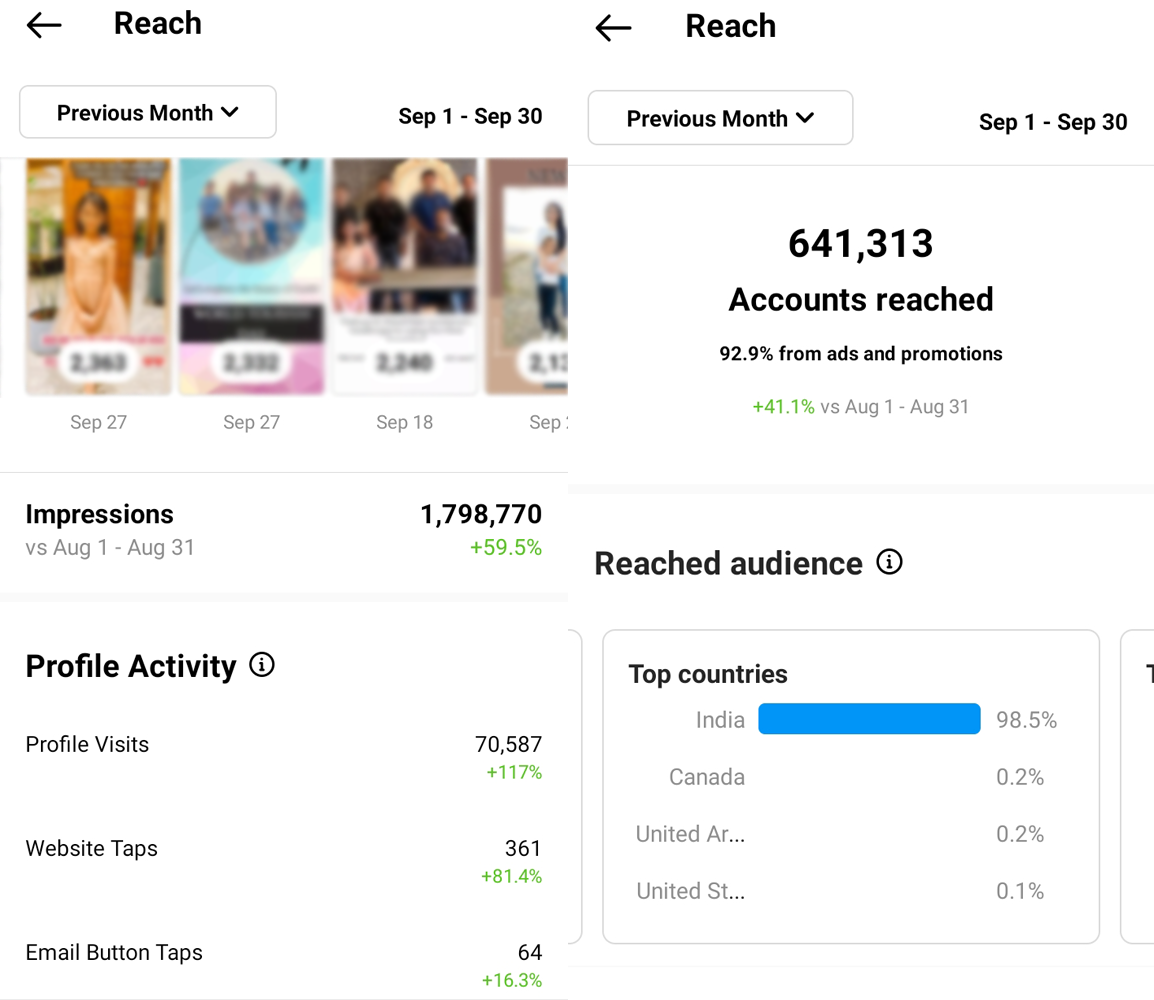
Instagram Reach

The true success of a launch or really any digital activity lies in the data. A brand should have the tools to identify the right metrics, evaluate the various milestones during the launch at regular intervals and then do a comparative study with its goals.

Before the launch, set up a cross-channel social media analytics dashboard using tools like Google Analytics, HubSpot or Sprout Social and connect the various platforms where the launch will take place,

i.e. Instagram, Facebook, LinkedIn. Of course, each tool also has the inbuilt insights or metrics for views, clicks, conversions for brands to identify which piece of content and strategy and worked and what didn’t.

It allows tracking of various metrics like hashtag performance, region-wise visitor activity, post reach and engagement, etc. This way, brands can make informed decisions in terms of allocating budgets to campaigns, tweaking the target audience to ensure a successful launch.

Google Analytics Report

7. Keep the conversation going

Post launch, the brand must keep the momentum going through various forms of audience engagement. Because all that buzz generated post the legwork done to get the product launched, must not fizzle out in a week’s time.

Continue publishing content related to the product, the salient features about it, it’s availability online or offline, and how the response is (only if it is positive). Encourage followers and customers to tag the brand with their product and reshare them on the pages, giving the users some free publicity too.
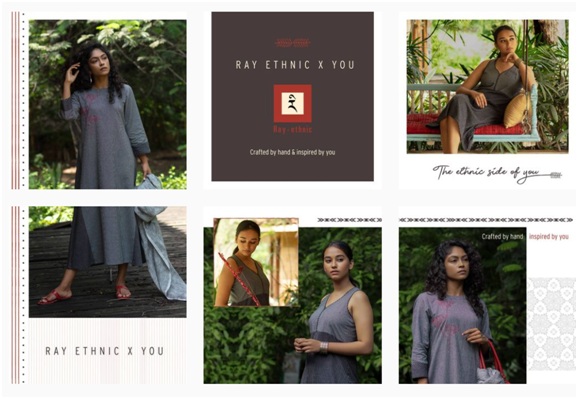
Ray Ethnic Hits

Something again Ray Ethnic hits the nail right on the head with its popular post launch campaign #RayOnYou. Thanks to some smartly planned celebrity endorsement, now even regular customers post regularly with outfits purchased from Ray.

Always keep a close eye on your mentions and customer questions on the comments, respond to them within 24 hours, negative or positive. This will not only give the brand image a boost, but organically push the posts on the explore feeds of social media timelines too.

Now that you have the ultimate guide to the perfect social media launch, get started right away. Or, how about you let the experts do the job for you. Drop us a line on hello@flora.ffteam.in or click here.


Categories
Social Media

Captions That Captivate! 8 Tips to Write for Social Media

What attracts the attention of the viewer on social media?

  • A beautiful visual
  • A good photograph
  • A stunning design

But what results in an interaction on the post, a LIKE, a COMMENT, a DM (direct message) or a link click?
A captivating caption, something that delights the reader, generates curiosity in them, convinces them to read further and take action.

While sharing photos or creatives on social media, a well-written caption will set the tone for the post, inspire your followers, give value, spark discussion, and demonstrate the brand`s personality.

And here are some suggestions for creating a compelling caption and improving a brand`s social media marketing approach.

First impression is what lasts!

With people`s attention spans shrinking, a strong opening line will help you grab their attention. While you have the entire text box to narrate a story about the post, it is the first 50 characters that matter. Especially on Instagram, because people are going to click on the “Read more…” call out only if the first line leaves them intrigued and wanting for more.

Your captions should be a natural extension of your post. There must be a strong connection between the image and the caption. Never let a post get published without a copy or simply repeat what is written in the image copy, as your caption. A repetitive copy is as useless as a post with no caption.

Fulfill the intention

Your captions must fulfill the purpose behind the post. Before you write a caption, ask these questions to yourself: Are you trying to establish a connection with the target audience? Do you want them to take action after reading your caption? or are you simply showing off the brand`s personality through the writing.

If it is an action post, make sure you make it clear in the second or third line of your caption on what the reader needs to do.

“Click on the link in bio”
“Call 123456789 to know more”
“Share your thoughts in the comments below”

Graphic showing content writer thinking

These are some examples of Call To Action phrases to be used in captions.

Get them talking!

Create social media captions that elicit feedback and encourage your audience to comment on your post.
One of the simplest ways to increase the number of comments on your post is to ask a question. The questions don`t have to be difficult; they should be basic and simple.

Inviting your audience to submit their tips, reviews, and recommendations is a fantastic method to engage them. Because trust us, your users will not respond to you unless you ask them to.

Mind the language

While English might be the most commonly used language on social media, people engage with posts more when they see that the brand is addressing them in a language that they know and understand. Localisation is the key to strong engagement on social media.

Shilpa Lifestyle Hindi Content Post Sample

Keep in mind the language used by the target audience and try writing captions in the local lingo every once in a while. It will ensure that the audience reads your captions more often instead of simply scrolling away.

Here`s a look at how Flora Fountain, a social media marketing company in Ahmedabad taps into the regional audience engagement through captions in Gujarati and Hindi for their brands.

Align with the medium

Your post captions must align with the medium it is being posted on. For instance, a fun and quirky post with a cheeky caption will be a hit on Instagram, but kind of a turn-off on LinkedIn, where the audience is looking for informative, long-form content.

Craft your captions keeping your audience and medium in mind. Customize the length, tonality, and style of your captions as per the platform. Below are the caption character limits on the various social media platforms, they`ll come in handy the next time you write a caption for your post.

Instagram: 2200 characters
Facebook: 63,206 characters
Twitter: 280 characters
LinkedIn (Post): 3000 characters

Use Emojis

Emojis are cartoon-style emoticons that add character to your social media captions. Emojis can be used to draw the viewer`s attention to the post.

Emojis are completely universal because their meanings are understood in each country in the same way. And it`s a great tool for marketing, because if you think about it, you save money on translation, design, and the need to localise meaning for each region. They make captions for all industries more interesting and bring the eye to a halt mid-scroll.

In case you`re wondering how, what, where to find these emojis, Emojipedia`s got you covered! Or simply find them on your chat keyboard, they`re hard to miss!

Have a call to action!

Don`t forget to include a Call To Action where needed after all of your hard work. A CTA serves two distinct purposes: telling someone what they should do and motivating them to do it.

Incorporating a call to action into your caption is an excellent way to direct traffic to your website, landing pages, and blogs.

However, you are treading on thin ice; CTAs in every post may become jarring, so use CTAs sparingly and only when necessary.

Don`t forget hashtags!

It`s crucial to increase engagement, but your posts also need to reach a wider audience and attract new followers. You can strategically boost the reach of your post by using the proper and relevant hashtags.

Posts with a lot of hashtags get less interaction than those with just a few relevant ones. As a result, choose your winners with care.

Go ahead, get your creative juices flowing in the form of words on your social media. And if you are a brand or business who wishes to let the experts do the talking, drop us a line here!

Graphic of people working atop a giant hashtag
Categories
Social Media

Get’em Hooked With Videos: Types of video content you must try for digital marketing

Fact 1: Close to 300 hours worth of video content is created and published on YouTube every
minute.
Fact 2: Facebook clocks over 4 billion video views on its platform every day.
Fact 3: Over 70% consumers prefer learning about a product or service via a video than text.The reason we’re dropping these mind blowing facts right at the start is to let you know how important video content has become for marketing in just a decade.Earlier, consumption of video content was a luxury of sorts, as it required one to have a strong internet connection and a streaming device of higher quality. But with smartphones becoming cheap and data cheaper, the addition to the consumer base has been massive, something which brands and service providers have to take a note of and create content accordingly. Here’s a look at the types of video content you can create to market your products/service digitally and reach out to large swathes of people online.

1. Testimonials

One of the best ways to convince the viewer that your product or service is the best, is by getting the good word out through true user testimonials. While people still “write” reviews, brands have now got their happy customers to provide them with a video review, a testimonial where they talk about their experience with the brand or the product and why they’d recommend it to others too.

When we see a real person talk to us about anything, we tend to believe more. So brand marketers must include this in their video marketing strategy for social media.

brand

2. Tutorials

(Guiding the viewer on how-to, whether is it using a product, learning a workout or how to bake) Engagement with the viewer is one of the best ways to reach out and promote one’s services to them. And tutorials are the perfect way to get people hooked and eventually convert them into paying customers.

When a viewer gets value from the video content it consumes from a brand, like hacks on how to use their product better, easy to do workouts from home (PS: they were a rage during the lockdowns last year) or tips on how to bake a cake at home, its loyalty to the brand increases and it develops a feeling of obligation towards to the brand that they must purchase their product/services for higher sense of satisfaction.

3. BTS

Everyone loves a juicy gossip. And BTS, or Behind The Scenes videos are kinda the same thing which brands can create, to deepen their connect with the viewer/consumer. A BTS is always published after the actual content is published and promoted. A BTS is a way of giving the viewers a sneak peek into what went behind the curtains in creating the video which they loved. While influencers usually post their unseen BTS videos shot using their personal devices, nowadays brands too create special BTS footage, as apart of their video promotion plan.

brand

4. Unboxing

Oh, the joy of unwrapping the brand new mobile phone you ordered last week and got delivered today, it’s unmatchable. It gives us a different level of serotonin rush when when we unbox something we’ve been long waiting for. And brand marketeers have understood and begun exploiting this feeling among us to sell us their products through well shot unboxing videos.

There’s no rocket science behind it. It’s simply someone opening a box of, say, cookies, or a brand new laptop from its packaging. But when one sees it, it develops a feeling within them to experience it for real, which eventually triggers and pushes us to order it. A simple search on YouTube or Instagram for unboxing or unwrapping videos will throw up thousands of such videos, but beware, by the end of it, your wallet might get a little lighter.

5. LIVE

Ever since the the livestreaming feature was launched by Facebook for both Facebook and Instagram in India in 2016, people have lapped it up and have been having fun with it, giving their friends and followers a sneak-peek into their lives.

So brands too didn’t let go of the opportunity. Live gives the brands a human form. So far, consumers would identify a brand through its logos and products.

brand

But with the Live feature, brands can use their Instagram, Facebook or YouTube channels to introduce the people behind it and as a result it makes it more human.

There are many ways to use the Live Video feature creatively. You can live stream the launch of a new product or service, you can have a live interactive session with your followers who can ask you questions in real time and get them answered. Or even do an unboxing session live (yeah, we know it’s a great idea, thank us later).

With so many ways to use videos as your tool to promote your services and products on social media, it’s time you pick up that camera, put on your filmmaker’s hat amd go nuts with videos.

Check out some of the cool video content we at Flora Fountain create for ourselves and our brands here.

Categories
Social Media

5 Must Haves For Your Online Shop

The phrase of the year 2020 was “The New Normal”, which was thrown around in gay abandon to recall and describe everything that happened during the time we all stayed indoors to keep ourselves safe from the raging pandemic outside. For businesses, the “New Normal” was going digital overnight. Everyone, from your neighbourhood café to your favourite apparel store, from your milkman to your gym, started offering their “online services”.But many failed unfortunately or couldn’t keep up with the teething issues because they never followed a process and fulfilled the must haves for any business to start their online shop. If you’re among those who’re still contemplating on it, then this is going to provide you more clarity and a focus on getting your shop online.

brand

Build the BRAND

Some of the wildly popular brands you see online today weren’t overnight superstars online. They worked on building their identity, a relatability with their name, logo and products and services to the target audience.

Why, you ask?

Because taking a relatively unknown brand online with nothing to recall, is like jumping into water without a life jacket. So before you take the plunge, ensure you have the following boxes ticked A brand name, something which signifies the philosophy or service it offers.

A logo, for people to recall and form a connect with it, wherever we see it. For example, all of us can recall the logos of Skullcandy headphones, Ray Ethnic apparels, and Café Coffee Day cafes.

Choose your platform

build the brand

Once you’ve set up your brand, the next step is to find the right platform to sell your products and services. But before you make your final decision on which platform to go with, you must go through the essential features it offers and if it ticks all the boxes for your brand.

Your platform must work on all kinds of devices. We at Flora Fountain take a mobile-centric approach every time we build an e-commerce website for a

client because our studies and research have shown that people tend to shop and explore more while on the move, on their smartphones. Hence it is important that the platform is mobile and tablet friendly.

Secondly, the platform must be able to integrate the various payment gateways and processors without any hitch.

The platform must come with its own inventory management feature so that you don’t have to shuffle through multiple spreadsheets every day.

And lastly, it must be able to sync with the many social media stores like Facebook Shop, Instagram Shop and Google Business.

For first time businesses who may or may not have much knowledge about code, Shopify is the way to go, thanks to its easy to set up procedures.

If you’re looking to add a shop feature to your WordPress website, the go with the WooCommerce plugin. And for business that deal in large quantities of sales, BigCommerce is what we’d suggest.

Market your market

marketing

There is a popular saying in the Gujarati language, “Bole Tena Bor Vechay” which loosely translates to “The one who speaks, sells”. And it’s true, until and unless you tell people about your product, your services and where can they find them, nobody is going to know. Because, like we mentioned earlier, almost everyone is going digital and there are chances that 10 of your competitors are already vying for the same spot as you.

Once you’ve set up your online online shop, it is time to market your market. Now there are many ways to do it, traditional marketing like newspaper advertising and outdoor billboards being among them. But they require large marketing budgets too.

If you’re looking spend only a fraction of that budget, target social media, since you’re already digital now. Ensure your brand has a page on almost every social media platform, talking about your online marketplace, the products you sell, the offers you’re giving on them.

Identify platforms which have their own online shop extensions, like Instagram Shop, Facebook Shop, Google Business, and Pinterest Shop.

Build a social media strategy, which identifies your probable customer base, plan your promotional posts accordingly, reach out to social media users who even makes a visit your page to create a recall about your brand and it’s availability on the digital marketplace.

Get in-sync on social media stores

SOCIAL MEDIA STORES

Nowadays major social media platforms like Facebook, Instagram and even Pinterest have their own online store extensions. While it was initially created to help businesses with no website or experience in online marketplace management to sell their products and services on to people directly social media. Nowadays every major brand with their digital store or ecommerce website have their Facebook and Instagram Stores connected to each other.

When you sync your Facebook or Instagram Shop with your ecommerce website, every product picture you post online gets identified by the platform and it matches with product you’ve uploaded on your website. As a result it it not only showcases your product, but details of it and its prices too. With a single tap, the user can purchase it online, without even having to visiting your website.

In case you’re wondering how to set up and sync your store on Facebook or Instagram, check out this step by step procedure provided by Facebook themselves: Your Guide To Setting Up Shop.

Get analytical, track your progress

marketing campaigns

Any and every piece of data you could collect from your e-commerce platform and marketplace is gold and useful for you to understand the progress of your business online. Post building your online shop, kickstarting your social media campaigns and synchronising them to your social media stores, it is important that you track the statistics. The data that gets recorded are of the number of visits people make on your platform, the sales you make through it,

the kind of products/services they look at and the amount of time they spend on each of these pages. This helps you understand the consumer trend and if your marketing campaigns are performing at par with it. The one platform which is the most sought after when it comes to online business analytics and is available for free is Google Analytics.

In order to help you with the setting up of your Google Analytics for your website, here are two helpful links for you to which will guide you step by step.

Setting up Google Analytics on Shopify
Get started with Analytics, by Google

Now that you know the most important steps that need to be taken to make your ecommerce journey smooth and successful, it’s time you get started. And if you’re getting stuck somewhere, your friends at Flora Fountain are here to take you across the line. All you need to do is drop us a line here.

Categories
Social Media

How colours are the silent ambassadors for your brand

There are so many instances where one sees a colour and associates it with or recognises the brand. The colours not only help bring out the personality of the brand but it also helps evoke an emotional connection. It attracts people and lets them know more about you. Whether you are starting or expanding your company, here are some key points you should have in mind.

The right colour matters!

 brand personality

Call it colour psychology, but according to research, customers will make a subconscious decision based on colours. One has to choose their brand and logo colour wisely and see what message they deliver indirectly. The colours represent the brand personality which can range from being feminine or masculine, playful or serious, modern or classic, loud or subdues etc. The colours attract customers to choose you. For example-

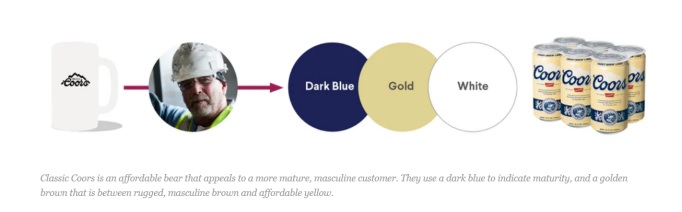
The famous Starbucks, with its green colour makes it look rich, welcoming, friendly, and healthy. A lot is translated about their coffee and services.

Dark blue is heavily seen in a lot of motor and technology brands. The corporates love it but don’t forget the medical and healthcare industry which uses light blue. It is a safe colour as research shows that a lot of people’s favourite colour is blue.

Starbucks logo
McDonald’s logo

One can never forget to mention McDonald’s. The yellow catches the eye immediately and is visible clearly in daylight while the red is an active colour. Well, yellow is also related to happiness. You can spot other food brands too using red in their logos. Your colours communicate what you stand for. Knowing what the colour denotes in different cultures and places is important.

How to choose the right colours?

After you have decided on what your brand wants to emote and what your personality is, you have to decide on the background, base and accent colour. Looks like a lot, but it’s not. Consider this a method for you to arrive at the right colours for your brand. With a wide range of colour options, your brand requires the right shade. Hence, deciding on the background, base and accent colour is important.

  • Your background colour scheme has to have options.
  • The base colour shows your personality and appeals to the target audience.
  • The accent colour has to complement and pair well with your background and base colour.
background logo colours

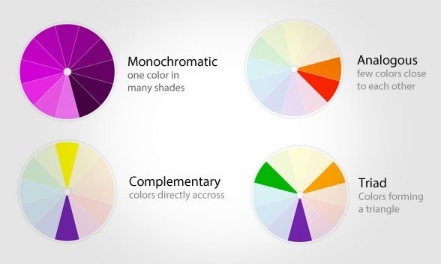
For the logo design you can spin the wheel. Take a look at the picture and see where you fit in, which shade and colour is right for you.

  • Monochrome when you are focusing on one personality trait.
  • Analogous is safe as you convey the same meaning and connotations.
  • Complementary colours would mean bold and dynamic visuals.
  • Triadic colours are stable but one has to see if it matches the brand personality.
logo design

Colourful names

Own your colour and its name too. It has been found that quirky and fancy colour names are more pleasing to people. Even though people were shown the same colour, mocha is preferred over brown. The colour brown can be bifurcated in cinnamon, cedar, brunette, tawny, tortillas, chocolate, gingerbread etc. Naming your unique colour makes it stand out. Create your own colour palette to establish the identity.

On the whole visuals affect the consumer. As a brand, one has to build trust and loyalty through its colours. It is important to analyse your competitors, know what your brand stands for and what personality traits it emotes. Choosing the right colour and associating it with your brand requires variations and background, base and accent colour. Making the right mixture and naming it is crucial. People are attracted to fancy names.

Flora Fountain provides branding and logo services. We help you build and enhance your logo designs too. Leading business into the new creative ventures and reaching success. There is no right or wrong, it is all about exploring and creating one’s colour palette. Get in touch with us today to know which colours suit your brand and how it will help you propel your positioning among your customers.

Categories
Social Media

Why DESIGN is the hero of your digital marketing strategy

Social media is no longer a child’s play. With more people having access to high speed internet connected to devices with the latest technology, a mere text post will get lost in the sea of millions of pieces of content being put out online daily. And this is where your design intelligence makes your stand out from the herd.

The idea behind a design

There is no dearth of written marketing content trying to sell you things online on websites though blogs and articles, but what sets the social media apart is its fusion of visuals and text. And in order to garner the attention of a potential consumer, one must use these elements in balance to create an impeccable design that speaks to him/her.

By picking the right colour and font for your brand and using them consistently in your designs, you convey the mood, meaning and feeling of the brand, and thus targetting a specific set of audience. And when you fit all this together with your content in the right copy space, you are effectively delivering your message to the consumers.

social media image size

Size matters (a lot!)

One of the biggest mistakes businesses make in order to save costs on design (BTW, a big NO NO!) is create one graphic image or poster for both Instagram and Facebook. But one needs to understand both platforms have different post sizes for both desktop and mobile. This is to provide the user with the best quality in visuals of the graphics.

If one doesn’t optimize their posts according to the social media platforms, the image or graphic will pixelate, thus killing the design and the entire message you wanted to convey. Given below are the sizes one should use while designing for Facebook and Instagram

Facebook Post: 940 X 788 px
Facebook cover: 820 X 312 px (desktop) & 640 X 360 px (for mobile)
Stories & IGTV: 1080 X 1920 px
Instagram Post: 1080 X 1080 px (Square), 1080 X 1350 px (Portrait) & 1080 X 608 px (landscape)

More visuals, fewer text

Visuals always have an upper hand over text when it comes to social media. It has been observed that more people respond to images and videos than written content. Hence it is advisable to involve more visuals in your social media marketing.
You will attract more eyeballs when the images are original and the videos have real people in it and not just graphics. Use text only if it is necessary to convey a specific message, like an address, phone number, website or slogan. But make sure your visuals always have space for your logo.

Where to source your visuals from?

While it is important to use original images and videos for visual posts on social media, we understand it is not possible for a small or medium business to spend on a promotional photo shoot for every campaign. And this is where free stock images and videos come to your rescue.

Given below are best sources for you to find high definition videos, images and icons for free and use them to create stunning designs.

Pixabay: With over 4 lakh stock images available for free, this is one of the most sought after sources for images of real people and products.

Unsplash: This website mostly has images from photographers who take artsy snaps and put it out for free use. It has a good source of such images that can go well with a subtle poster for stories and banners.

Pexels: This is a free content aggregator website that displays images and videos from sources where creators put out their content for free, which include Pixabay and Unsplash too.

Videvo: This is a free video source where you can get short video clips perfect for social media, consisting of places, people and products.

How to edit by yourself

While we’d always suggest that you take the services of a professional designer or agency (like us) to create your images and video posts for social media, we understand sometimes you need to pick up the mantle and do stuff by yourself. And if you are someone who does have a basic understanding of colours, fonts and design schemes, then you can use the below tools for a quick edit or post creation.

Canva: This is free photo and video graphic editing tool available for both computers and mobile phones. The best part about this application is that it has some beautiful, predesigned themes for almost all types of social media posts, from banners, posters, stories to covers.

Lightworks: This is a free video editing tool available for desktop, using which you can edit and create good quality videos using its basic tools available for no cost. If you want to use its advanced version, it does have a decent subscription plan.